
Reviewed · COOKING CLASSES
Small Group Authentic Mumbai Virtual Cooking Class with Dessert
That first bite of Mumbai comfort food hits fast. This live virtual cooking class from Kajal’s home in Mumbai is built around cooking two fan-favorite dishes, pav bhaji and rice kheer, while you can actually ask questions in real time. I especially like getting a clear plan ahead with an ingredient list, and I like the hands-on feel of watching a local cook the recipes the way her family learned them.
One thing to keep in mind: this is not a professional studio setup. Kajal is sharing her kitchen through Skype, and they’re upfront that videography won’t be Hollywood quality. If you’re the type who needs crisp camera angles and perfect sound, this might feel a bit rough.
In This Review
- Key things that make this class different
- A Skype class that feels like dinner prep with a local
- What you’re really paying for, beyond the recipe
- Before you start: your setup and prep checklist
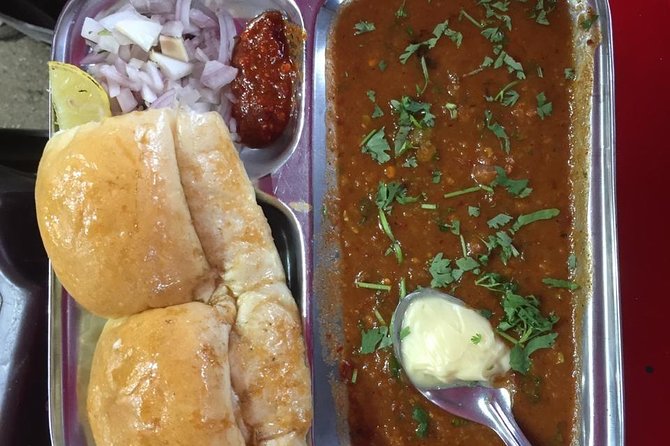
- The main event: Pav bhaji, Mumbai-style comfort
- Why the name matters (and how you’ll see it on the plate)
- Practical serving moments you can anticipate
- Rice kheer: a dessert that keeps the class balanced
- What to expect during the dessert step
- Who you’re cooking with: Kajal and the family connection
- A note on language and comfort
- How the small group format changes the experience
- Cooking from multiple locations
- Price and value: is $20 a fair deal?
- Timing, duration, and how to plan your evening
- Troubleshooting guide: what helps you succeed at home
- Who should book this cooking class?
- Should you book it?
- FAQ
- What dishes do I learn in this class?
- How long is the virtual cooking class?
- Where does the class take place?
- What is the price per person?
- Is the class small group size limited?
- What time zone are the available times listed in?
- Will I be able to ask questions during the class?
- Do I receive an ingredient list before the class?
- Is this a professional cooking class with high-end production?
- What if I have allergies?
- Can I cancel and get a refund?
Key things that make this class different
- Real-time Q and A on Skype so you can troubleshoot as you cook
- Kajal’s Mumbai family recipes taught through a traditional, mom-and-sister learning path
- Two dishes in 1.5 hours: savoury pav bhaji and the festival sweet rice kheer
- Ingredient list sent ahead so you can shop and prep without last-minute stress
- Max group of 6 travelers for a small, more personal feel
- Culture built into the cooking with a meet-the-family style connection during the session
A Skype class that feels like dinner prep with a local
Cooking classes can fall into two traps. Either they’re all lecture, or they’re all chaos. This one aims for a third path: you follow along at home with a local chef, and the session is structured around a straightforward cooking rhythm you can actually keep up with.
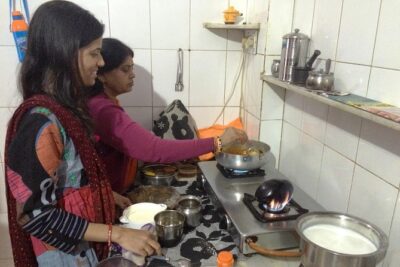
The experience is live from Mumbai, and it’s designed for your own kitchen. You don’t need special gear beyond what most home kitchens already have for a pot, a stove, and basic cooking tools. The key is that you’re cooking along while Kajal demonstrates step by step. That’s what makes it more useful than watching a recorded video, especially if you get stuck on timing, texture, or substitutions.
You’ll also get the story angle. This isn’t just about food mechanics. You’re connecting to a home in Mumbai’s largest slum area, and Kajal’s background is steeped in a traditional Indian family approach. That matters because pav bhaji and kheer are not abstract recipes. They’re part of day-to-day feeding and festival food habits.
More Cooking Classes in Mumbai
- Mumbai: Indian Cooking Class & Cultural Delights
★ 5.0 · 38 reviews - Private Vegetarian Indian Cooking Class in Mumbai
★ 5.0 · 17 reviews - Private Cooking Class in Mumbai
★ 5.0 · 15 reviews
What you’re really paying for, beyond the recipe
At $20 per person for about 1.5 hours, you’re buying three things: instruction, live feedback, and a small-group home connection. In a lot of virtual experiences at similar prices, you only get one of those. Here, you get all three.
There’s also the value of having a chef from Mumbai who learned these recipes inside the culture, not just from a cookbook. Pav bhaji in particular is a very Mumbai thing, and it’s served across big hotels and roadside eateries. When you learn it this way, you’re not just making a generic vegetable curry. You’re recreating a specific street-to-hotel standard.
Before you start: your setup and prep checklist
This class runs at scheduled times listed in Indian Standard Time (IST). So the first practical task is checking the start time in your own time zone before you book or commit your evening. Since it’s live, missing the start can leave you behind.
Next, you’ll want to be ready for a normal cooking session at home. The class is designed to cook two dishes in sequence, so don’t plan to multitask with laundry or long side quests. If you have a kitchen that takes a while to warm up, give yourself extra time so you’re not constantly racing the instructor.
You’ll also be glad there’s an ingredient list ahead of time. That means you can shop and prep so the cooking part is actually enjoyable. The class also asks you to share allergies with the chef. That’s important because both pav bhaji and rice kheer include ingredients that may not be interchangeable without changing the end result.
Finally, make sure your internet connection is stable. They explicitly recommend checking your connection before you join. That sounds obvious, but in a live class it’s the difference between following along smoothly and constantly buffering while your vegetables are cooking.
The main event: Pav bhaji, Mumbai-style comfort
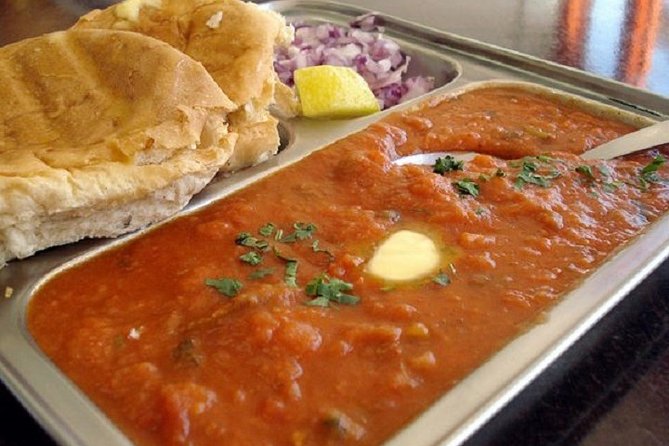
Pav bhaji is one of those dishes that looks simple but has a signature feel when it’s done right. It’s a thick vegetable curry made with seasonal vegetables, potatoes, tomatoes, and onions. You cook it hot, and it’s typically served with pav, which are bread rolls topped with butter.
What I like about this focus is that pav bhaji is not a fussy meal. It’s built for flavor and speed, the kind of food that works for big appetites and hungry evenings. The recipe style also teaches you a useful technique mindset: thick, concentrated curry rather than watery soup. That’s where the texture of your cooking matters.
Another way to spend a day in India:
- Dharavi slum tour in Mumbai by Female tour guides of the slum
★ 5.0 · 1,976 reviews - Mumbai: Full-Day Sightseeing Tour of Mumbai
★ 4.9 · 1,822 reviews - Private Mumbai Sightseeing Tour (Traveller’s Choice Award Winner)
★ 5.0 · 1,565 reviews - Elephanta Caves & Island Guided Private Tour
★ 5.0 · 1,327 reviews
Why the name matters (and how you’ll see it on the plate)
They explain that the word pav comes from Portuguese, while bhaji in Marathi means a vegetable dish. You don’t need a history lesson to cook, but knowing that background helps you understand why pav bhaji tastes like a blend of influences, not a single-note curry.
When you cook it, watch for cues in the texture. You’re aiming for a curry that feels substantial enough to cling to the bread rolls. If your mixture stays too loose, it tends to taste flatter and less satisfying when paired with buttered pav.
Practical serving moments you can anticipate
You’ll cook the vegetable curry, then serve it with hot pav topped with butter. In a real Mumbai meal, the hot curry and warm bread combo is the point. So plan your timing so you’re not scrambling to toast rolls at the last second.
If you’re cooking with someone else, this is a good dish to split tasks. One person can manage the curry while the other handles warming and buttering the pav. That said, the class is designed for you to follow along, so only split if you can still listen and ask questions.
Rice kheer: a dessert that keeps the class balanced
Every savoury-heavy cooking class needs a sweet closing act. Rice kheer is that here.
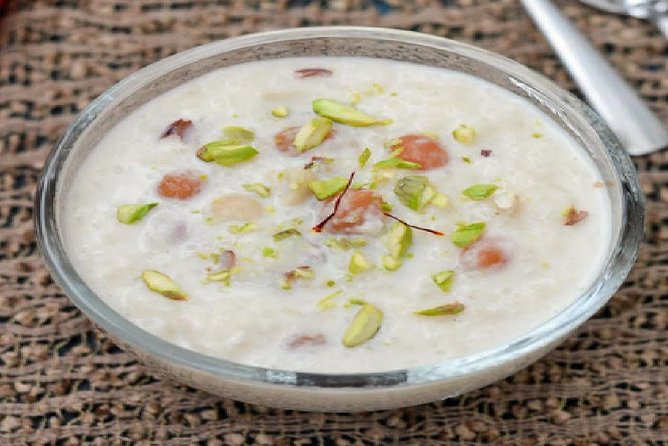
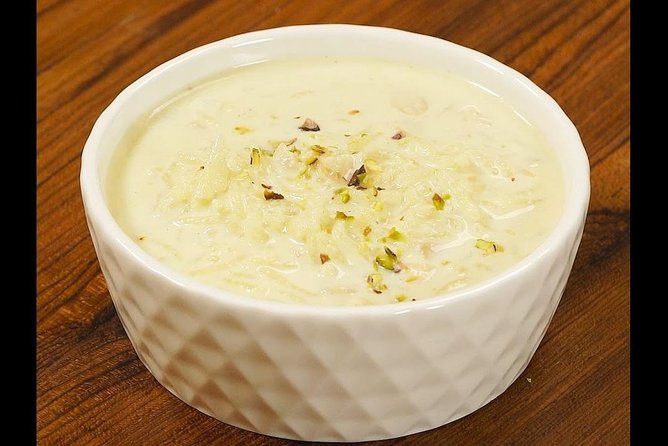
Kheer is described as a traditional Indian sweet dessert made for festivals and occasions. It’s based on rice and is meant to feel comforting, not overly complicated. The big idea is that you’ll finish the meal with something culturally familiar and satisfying, without needing a pastry background.
The value of teaching kheer alongside pav bhaji is balance. Pav bhaji teaches you savoury texture and heat. Kheer gives you a dessert rhythm and helps you end the session with the full meal experience, not just a snack.
What to expect during the dessert step
You’ll follow Kajal as she guides the rice kheer process step by step. Since the session is live, you can ask questions about how the dessert should look or how to adjust along the way. That’s where virtual classes can either fail or succeed. Here, the real-time connection is part of the design, not an afterthought.
If you’ve never made Indian desserts, you might find that kheer requires a bit of patience and attention. The goal is to get the right consistency and sweetness profile, and the live Q and A is handy for getting it right on your first attempt.
Who you’re cooking with: Kajal and the family connection
Kajal is the chef hosting the class from Mumbai. She comes from a traditional Indian family, and she learned these recipes from her mom and her older sister. That’s not just biography filler. It shapes how she teaches, because family-taught recipes tend to include practical habits, not just measured instructions.
Kajal started food tours in 2017, and pav bhaji is one of the dishes she’s known for as a popular Mumbai classic. That matters if you care about authenticity rather than generic Indian cooking.
One of the most distinctive elements is the chance to meet the family and learn about culture and home life alongside the food. In a world of hands-only kitchen videos, this human element can make the session feel more grounded, like you’re borrowing a bit of local hospitality.
A note on language and comfort
The host’s English has been described as excellent in the experiences people had. That makes it easier to ask questions and understand steps without guessing at key terms. It also helps if you’re nervous about cooking in a different cuisine. You can relax a little because you’re not translating the recipe in your head while trying to stir.
How the small group format changes the experience
The class caps at 6 travelers. That small number matters in a live online environment. In bigger groups, Q and A can feel like a lottery. Here, there’s more chance your question gets heard at a moment when it still helps you.
It also changes how interactive the session feels. You’re not just watching someone cook. You’re cooking with an instructor who can respond as you go. That’s especially useful for two dishes like pav bhaji and kheer, where texture and timing are the whole game.
Cooking from multiple locations
One helpful detail from real participant experiences is that family members have joined from different locations at the same time. If you’re planning a shared gift or you want to cook together even when people are apart, this format can work well.
Price and value: is $20 a fair deal?
Let’s talk value in a real way. For $20 per person, you’re getting:
- Live step-by-step instruction on two dishes
- A real-time connection for questions
- An ingredient list provided ahead of time
- A small-group class cap
- A cultural home-kitchen connection, not a faceless recording
If you compare this to what you’d pay in-person for a basic cooking class, $20 is relatively low. The trade-off is obvious: you’re not in the same room as the chef, and the videography is not professional. But you still get the instruction and the ability to ask questions, which is the part many cheaper classes skip.
So for me, the value depends on what you want. If your goal is to learn two specific recipes with feedback, this is a good bargain. If your goal is a high-production cooking show with perfect lighting, you might feel underwhelmed. The organizers set expectations clearly, and that honesty helps.
Timing, duration, and how to plan your evening
The class runs about 1 hour 30 minutes. That’s long enough to cook two dishes, but short enough to fit into a normal weeknight plan.
Since the times are in IST, plan like this: pick a time slot that you can treat as cooking time, not just browsing time. If you arrive late because dinner plans ran long, you may lose the rhythm. This is live, and cooking waits for no one.
Also, don’t plan to eat immediately the moment the class ends unless your timing goes perfectly. Your pav bhaji needs to be served hot, and your kheer finishing step may take a little settling time. Think of the end as the point where your cooking should be ready for eating.
Troubleshooting guide: what helps you succeed at home
Here are a few things that make the difference between a fun class and a stressful one:
- Read your ingredient list early and make sure you have everything before the session starts.
- Use a stable internet connection so you can hear instructions and ask questions in time.
- Keep your questions ready. If you wait until you burn something, the answer might arrive too late.
- Set up your stove and tools first. When Kajal moves through steps, you do not want to search for a spoon.
- Share allergies before the class. They ask you to do this, and it affects what you cook safely.
And here’s my practical advice: if you’re cooking for multiple people, consider making slightly more than you normally would. The class is designed for a learning portion, and you don’t want to run out just as your household is ready for dinner.
Who should book this cooking class?
This is a smart pick if you want a taste of Mumbai from home without the logistics of a trip. It also fits well if you like interactive learning. You’ll probably enjoy it most if you’re curious about street-to-hotel foods like pav bhaji and want a culturally grounded way to cook it.
It can also be a great experience for a birthday or a small group activity. One participant used it as a surprise for a parent’s birthday, and the online format made it easy to share across locations while still cooking the same dishes.
If you are highly sensitive to sound quality or camera angles, plan your expectations. The hosts are open that videography is not professional-level. The trade is authenticity and connection over production polish.
Should you book it?
If you want Mumbai comfort food taught live by Kajal, this is worth considering. At $20 for two dishes in about 90 minutes, with an ingredient list ahead and real-time Q and A, you get strong value for a virtual experience.
I’d book it if you’re excited to cook and you can give yourself the full focus time. I’d skip it only if you mainly want a high-production cooking show or you know your internet is unreliable.
FAQ
What dishes do I learn in this class?
You’ll learn to make pav bhaji and rice kheer.
How long is the virtual cooking class?
It lasts about 1 hour 30 minutes.
Where does the class take place?
The class is delivered virtually from Mumbai, Maharashtra, India, and it ends back at the meeting point since it is online.
What is the price per person?
The price is $20.00 per person.
Is the class small group size limited?
Yes. The experience has a maximum of 6 travelers.
What time zone are the available times listed in?
Available times are listed in Indian Standard Time (IST).
Will I be able to ask questions during the class?
Yes. The class includes a real-time connection, so you can ask questions as you go.
Do I receive an ingredient list before the class?
Yes. You’ll know the ingredient list ahead of time so you can be prepared.
Is this a professional cooking class with high-end production?
No. It is not described as a professional cooking class. It’s an opportunity to cook and learn with a local home-chef, and the organizers note that videography will not be professional-level.
What if I have allergies?
You should share allergies with the chef. The experience specifically asks you to do this.
Can I cancel and get a refund?
Yes, you can cancel for a full refund if you cancel at least 24 hours before the experience’s start time. If you cancel less than 24 hours before, the amount paid is not refunded.
Recently added around Mumbai
- Mumbai: Local Markets & Temples Tour★ 4.6 · 45 reviews
- South Mumbai: Cultural Heritage Walking Tour★ 4.8 · 45 reviews
- South Bombay Live Walking Tour★ 4.9 · 11 reviews
- Mumbai: Same Day Tour of Ajanta & Ellora Cave’s★ 5.0 · 7 reviews
- Private Mumbai Highlights Tour (5 Hours)★ 4.9 · 46 reviews
- Private Dharavi Slum Tour★ 5.0 · 13 reviews
- Night Tour: Mumbai’s Nights & Buzzing Bazaars★ 5.0 · 7 reviews
- Mumbai:Dhobi Ghat Laundry,Dharavi Slum & Flower market Tour★ 5.0 · 12 reviews
Cooking Classes, compared.

Veg and Non veg : Private Cooking Class in Delhi home (7 meal)
Read our review →
Indian Cooking Class in an Authentic Local Home – Learn 6 Dishes
Read our review →
Jaipur Market Tour & Vegetarian Rajasthani Home Cooking Class
Read our review →
Cooking Class in Jaipur – Family Experience with Meal & Transport
Read our review →
Interactive Cooking Class with a Local Family in Jaipur
Read our review →Browse the lists this tour appears in