
Reviewed · GOLDEN TRIANGLE TOURS
Private 7-Day India Golden Triangle Tour
Delhi, Agra, and Jaipur in one well-run week.
That is the real hook here: you get a private, guided route through the Golden Triangle with entrance fees handled and daily car transfers, so you spend more time looking up at monuments than hunting down bus schedules. You also get a proper mix of big-name icons and local life, including a Chandni Chowk rickshaw ride.
I especially like the way this itinerary balances the obvious with the quietly memorable. You start your Delhi days at places with real emotional weight, then shift to UNESCO monuments like Qutub Minar and Humayun’s Tomb, and later you get Agra and Jaipur landmarks that photographers dream about.
One thing to keep in mind: this is a fast, packed route with multiple long drives. If you hate being on the move, the Golden Triangle week can feel like a highlight reel you watch from a car window.
In This Review
- Key highlights you should care about
- Why this Golden Triangle feels more “local” than “tour bus”
- Arrival Day in Delhi: from landing to your first real taste of the city
- Delhi Day 1: Gandhi at Raj Ghat, Jama Masjid scale, and Chandni Chowk by rickshaw
- Delhi Day 2: Qutub Minar, Humayun’s Tomb, and a calmer end at Bangla Sahib
- The drive to Agra: why the in-between time is part of the trip
- Agra Day: Baby Taj beauty and a sunset view that works like magic
- Day 4: Taj Mahal at sunrise, Agra Fort, and a local family lunch
- Fatehpur Sikri and Chand Baori: the Golden Triangle detour that pays off
- Jaipur Day: forts, the Water Palace, City Palace, and Jantar Mantar
- Day 7: private car back to Delhi airport, without the scramble
- Price and value: what you really get for about $1,319 per person
- Who this tour suits best, and who should think twice
- Should you book this Private 7-Day India Golden Triangle Tour?
- FAQ
- Where does the tour start?
- Is pickup included?
- How long is the tour?
- What meals are included?
- Are entrance fees included?
- What is not included in the price?
- Is there free cancellation?
Key highlights you should care about
- Airport pickup with a chauffeur so you avoid first-day stress after landing
- English-speaking local guides for context at each major stop
- UNESCO time well spent, including Qutub Minar, Humayun’s Tomb, and Jantar Mantar
- Chandni Chowk rickshaw ride that connects monuments to everyday street life
- Sunrise-style Taj Mahal visit plus a sunset back view from Mehtab Bagh
- Local family lunch in Agra that adds real-life texture beyond the monuments
Why this Golden Triangle feels more “local” than “tour bus”
A private route changes how a trip feels. Instead of waiting for the slowest walker or guessing your way between sites, you follow a planned rhythm with a driver and a guide, plus entrance fees already included for the listed sights.
You also get those small quality-of-life touches that matter in India: lunch included, hotel with twin-sharing, and an organized day structure that keeps you from constantly recalculating time. The mobile ticket is another small win, since you are not scrambling for paperwork at the counter.
Most of all, the itinerary is built around “readable” experiences. Big sights like the Taj Mahal and Qutub Minar are obvious choices, but the day is also designed to add texture, like Gandhi’s cremation site in Delhi and the rickshaw ride through an old bazaar.
Golden Triangle tours readers book most in New Delhi:
- 3-Days Private Golden Triangle Tour: Delhi, Agra & Jaipur by Car
★ 5.0 · 1,107 reviews - 3-Days Private Golden Triangle Tour: Delhi, Agra & Jaipur by Car
★ 5.0 · 1,098 reviews - 3-Day Delhi, Agra and Jaipur Private Tour – India Golden Triangle
★ 5.0 · 812 reviews
Arrival Day in Delhi: from landing to your first real taste of the city
Day 1 starts at Indira Gandhi International Airport. You are greeted by an Agate Travel representative holding a welcome sign, then you are transferred by private car with chauffeur to a downtown Delhi hotel. After check-in, you are free to roam on your own, which is a smart setup because it lets you recover from jet lag without wasting paid sightseeing hours.
The value of this approach is simple: your first day is about getting you settled. Delhi can feel loud and busy even when you are just walking to a taxi, so having a calm entry matters more than cramming in a palace or a temple the moment you land.
If you arrive earlier in the day, I’d use the leftover time to do one practical thing: find a nearby pharmacy, a good water setup, and a simple dinner plan for later. That way, you start Day 2 already in “local mode.”
Delhi Day 1: Gandhi at Raj Ghat, Jama Masjid scale, and Chandni Chowk by rickshaw
Delhi’s first guided day is built like a story. You begin at Raj Ghat, a black marble platform marking the cremation site of Mahatma Gandhi. It is not a “pretty landmark” first, it is a place that hits you with history and restraint, and it makes the rest of the day feel more meaningful.
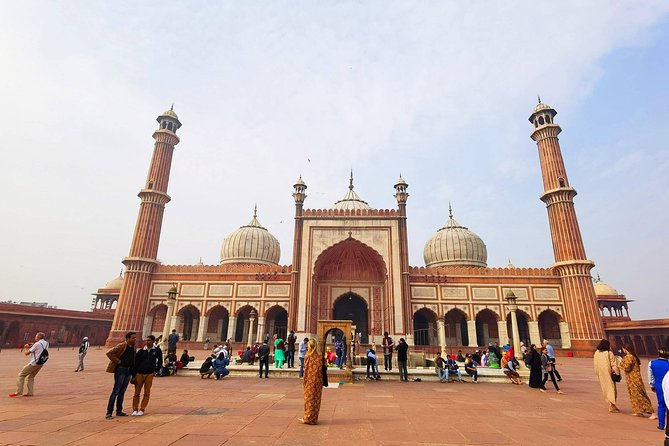
Next comes Jama Masjid, the Friday Mosque. The key detail here is its sheer scale, with a massive courtyard that can hold 25,000 devotees. You’ll see the intricate design work, but it is the size that stays with you, because it makes the mosque feel like a living civic space, not just a monument.
Then you shift to Chandni Chowk, where the tour includes a rickshaw ride through a bazaar that is described as about 360 years old. This is one of the best “local lifestyle” segments on the whole trip: you pass stalls selling street food, clothing, and jewelry, and you get a slow moving view that feels different from walking. It is also a useful contrast to the formal architecture earlier in the day.
Drawback to note: you need to be comfortable with crowds and street-level movement. Delhi bazaars are active, and the ride is fun, but it is not quiet sightseeing.
Delhi Day 2: Qutub Minar, Humayun’s Tomb, and a calmer end at Bangla Sahib
Day 2 starts with the UNESCO-heavy hitters. Qutub Minar is the big minaret built in 1192, and the standout is its height, about 240 feet (73 meters). Even if you think you already know the silhouette from photos, seeing the carvings and the vertical scale in person makes it click.
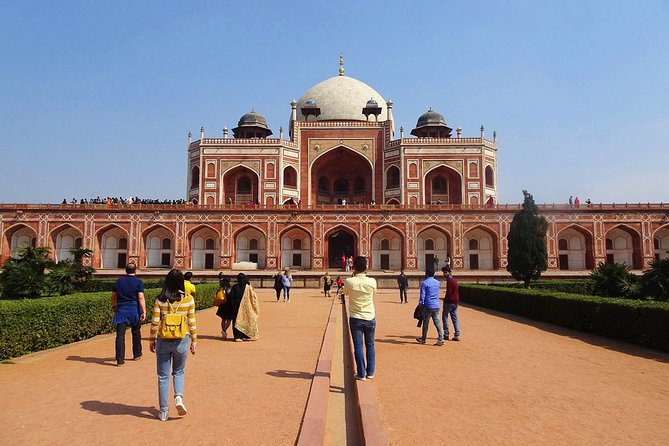
Humayun’s Tomb follows, also UNESCO-listed. This is where you get the “garden-tomb” concept and the mix of architectural influences, described as a blend of Islamic and Hindu design elements. It is one of those sites where a guide helps a lot, because you can spot details more confidently when you know what you are looking for.
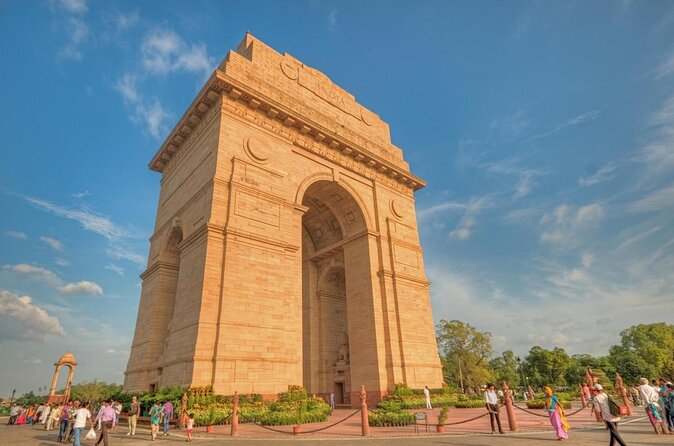
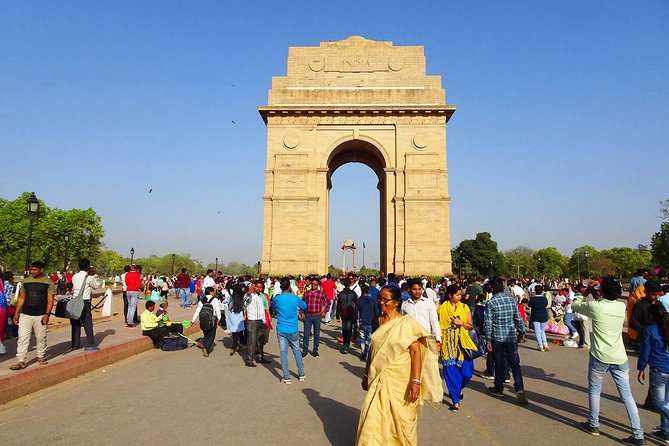
You end the day with India Gate for a photo stop, then Gurudwara Bangla Sahib, a Sikh gurdwara. The morning and afternoon contrast matters here: India Gate is a formal memorial mood, then Bangla Sahib brings a gentler, more welcoming spiritual atmosphere.
If you want to enjoy this day without rushing, plan to take your time during the UNESCO sites and treat India Gate as a quick camera moment, not a long stop.
A few more New Delhi days to compare
- Old & New Delhi City Tour – Half or Full Day Options Available
★ 5.0 · 4,811 reviews - Half Day Private Delhi City Tour
★ 5.0 · 4,474 reviews - Same Day Taj Mahal, Agra Fort & Baby Taj Tour from Delhi by Car
★ 5.0 · 4,304 reviews - Taj Mahal Day Tour from Delhi by Superfast Train – TOP RATED TOUR
★ 5.0 · 4,166 reviews
The drive to Agra: why the in-between time is part of the trip
On Day 3, you transfer from Delhi to Agra by private car, about 3.5 hours. The pacing here is important: you arrive, check into your hotel with help from your guide, then you start sightseeing after a short reset.
This matters because Agra is a city where you can burn energy fast. You are dealing with heat, crowds, and long lines depending on the day, so arriving in a calm, planned way helps you actually enjoy the monuments instead of just enduring them.
Agra Day: Baby Taj beauty and a sunset view that works like magic
Agra’s sightseeing starts at Itmad-ud-Daulah, often called the Baby Taj. You’ll see finely carved decoration and lattice screens, and the point is not size, it is detail. The tour frames it as a design inspiration for the Taj Mahal, so it’s a smart stop before the main event on Day 4.
Then you head to Mehtab Bagh, a garden park near the Yamuna River, with a “leisurely walk” vibe. This is where the itinerary adds a visual payoff: you aim for a sunset view with Taj Mahal in the distance as the sky changes colors. The value here is that it gives you a second viewpoint, not just one iconic photo from one angle.
Practical note: if you want the best chance of a clean view, keep an eye on clouds and bring a layer. The lighting can shift quickly at sunset.
Day 4: Taj Mahal at sunrise, Agra Fort, and a local family lunch
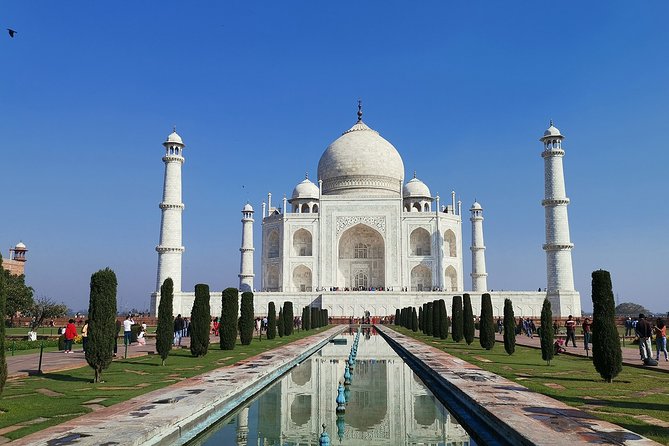
Taj Mahal day is set up for romance with purpose. You start with a morning visit described as sunrise-focused. In real life, sunrise means earlier wake-ups and cooler air, so it helps with comfort and crowd energy even if you never try to “beat the clock.”
As you tour, the guide connects the architecture to the story of Shah Jahan and Mumtaz Mahal. The practical benefit of that storytelling is that it gives you a mental map of the complex, so you can look at marble patterns and symmetry with more meaning instead of staring at only the biggest surfaces.
After Taj Mahal, you return to the hotel for breakfast, then head to Agra Fort, described as dating back 400 years. The focus here is the red facade and Mughal-style carvings. It is a different kind of monument, more fortress and power than pure memorial beauty.
Then comes the part I really appreciate: a chance to visit a local family and enjoy a homemade lunch. That adds what monuments can’t provide, everyday habits and family life context. Just treat it as a cultural exchange, not a scripted show, and ask your guide questions you genuinely have.
Fatehpur Sikri and Chand Baori: the Golden Triangle detour that pays off
Day 5 breaks up the India big-3 structure with two side stops that feel different from Delhi and Jaipur. You drive to Jaipur, with a guided visit to Fatehpur Sikri halfway along the way. It is a UNESCO World Heritage site in a ghost-town state now, which can sound depressing on paper, but in practice it makes the architecture even more striking. The red sandstone structures and carved details show you the scale of the Mughal civilization when it was fully alive.
You are shown key areas like the Jama Masjid, Tomb of Salim Chishti, Panch Mahal, and Buland Darwaza. This is where a guide again matters, because each area has its own function and symbolism, even if the city is quiet today.
Then you stop at Abhaneri Village for Chand Baori, described as the biggest and deepest stepwell with a history over 10 centuries. The design and carvings make it look like a palace from a distance, but up close it is about geometry, depth, and the human engineering of water access.
After that, you continue to Jaipur for the night. In a fast itinerary, this pairing is a smart way to add variety, and it keeps your week from feeling like a nonstop photo checklist.
Jaipur Day: forts, the Water Palace, City Palace, and Jantar Mantar
Day 6 is your Jaipur “greatest hits,” but with a little clever variety. You start at the Jaipur fort described as the 17th-century local Fort, once the capital of Jaipur, with pale yellow walls on a hill. Inside, you get temples and palaces, which makes it feel like a city-within-a-city.
You then stop at Jal Mahal, the Water Palace, a five-storey structure in Man Sagar Lake. It is a photo stop, about 30 minutes, and the key is the illusion of a floating palace due to its placement in the water. This is a short moment that works because it changes the visual texture from fort walls to reflections.
Next is the City Palace of Jaipur, the royal residence turned museum space for royal articles and ancient weapons. It is a different side of royal history, more collection-based and interpretive than the outdoor fort views.
Then comes Jantar Mantar, UNESCO World Heritage and described as an ancient observatory with nineteen architectural astronomical instruments that are still operative. The world’s largest sundial is also highlighted. This is one of the most educational stops in the week, because it turns “old science” into something you can actually see working.
You finish the day with a photo stop at Hawa Mahal, the Palace of Winds, known for its honeycomb-like facade in pink sandstone. In late afternoon, the tour also drives past the Pink Rose Garden and the business center before returning to your hotel.
If you are short on energy, prioritize the main sites and treat Hawa Mahal as a camera-and-quick-look moment. It is worth it, but it is not a long stay type of stop.
Day 7: private car back to Delhi airport, without the scramble
On Day 7, you get a private car transfer back to Indira Gandhi International Airport. The drive is about 5 to 6 hours, and your guide and driver escort you for your flight home or onward travel.
This is a good way to end because it protects your schedule. Golden Triangle logistics can get messy if you self-plan a departure, especially when hotel checkout time and airport traffic collide. Here, the tour plan keeps it simple.
One practical tip: pack snacks and water for the car ride. The itinerary does not list an extra meal on Day 7, so having a backup can prevent a late-day hunger problem.
Price and value: what you really get for about $1,319 per person
At $1,319 per person for about seven days, this tour sits in the “pay for convenience” category. You are not just buying guides and tickets, you are buying planning, pacing, and reduced decision-making.
Here’s what drives the value:
- Private A/C vehicle with chauffeur for all transfers, meaning you are not sharing travel time with strangers who like different speeds.
- Entrance fees included for the listed sights, including key UNESCO sites and the Taj Mahal visit.
- Hotel accommodation in a twin-sharing setup, plus lunch included and breakfast for 6 days.
- English-speaking local guides per itinerary, which is crucial for getting more than surface-level facts.
What could affect whether the value feels right for you is your travel style. If you love to wander and you hate structured timing, a preplanned route can feel limiting. If you want the “best-known sights” done efficiently and explained clearly, this price can feel fair because it bundles a lot of what normally costs time and nerves.
Who this tour suits best, and who should think twice
This is a great fit if you:
- Want first-time Golden Triangle coverage in a single week
- Prefer private transfers and English-speaking guides rather than public transport
- Like a mix of UNESCO landmarks plus local moments like the Chandni Chowk rickshaw ride
- Enjoy learning through context, especially at sites tied to story and symbolism
It may be less ideal if you:
- Want lots of free time to explore independently each day
- Detest long drives, since Delhi to Agra and Agra to Jaipur are both major transit segments
- Are trying to avoid crowds, since major sites like the Taj Mahal and Jama Masjid can draw significant foot traffic
Should you book this Private 7-Day India Golden Triangle Tour?
I’d book it if you want a guided, private week that hits the biggest cultural targets without forcing you to figure out transportation, timing, and ticket logistics. The strongest reasons are the combination of UNESCO monuments with guided interpretation, plus the “human” add-ons like the Chandni Chowk rickshaw ride and the Agra homemade lunch.
If your ideal trip is slow, DIY, and deeply off-the-map, you might find the pace too tight. But for most first-timers, this is an efficient way to see Delhi, Agra, and Jaipur in one coherent story.
My simple decision rule: if you want clarity and comfort over improvisation, book. If you want space and spontaneity, consider building a longer trip with more standalone days.
FAQ
Where does the tour start?
The tour starts at Indira Gandhi International Airport in New Delhi at 9:00 am.
Is pickup included?
Yes. You are greeted at Indira Gandhi International Airport and then transported by private car with chauffeur to your downtown hotel.
How long is the tour?
It runs for 7 days, approximately.
What meals are included?
Lunch is included, and breakfast is included for 6 days.
Are entrance fees included?
Yes, entrance fees for all sights mentioned in the itinerary are included.
What is not included in the price?
International flights, India visa fee, personal expenses, and any festival or holiday peak season surcharges are not included.
Is there free cancellation?
Yes. You can cancel up to 24 hours in advance for a full refund.
Recently added around New Delhi
- Private Same day Jaipur Tour from New Delhi★ 5.0 · 82 reviews
- Private Agra Day Tour★ 5.0 · 14 reviews
- Taj Mahal,Agra fort and Baby Taj tour from Delhi by Express train★ 5.0 · 7 reviews
- From Delhi: Full Day TajMahal & Agra Fort with 5 Star Lunch★ 5.0 · 64 reviews
- Taj Mahal & Agra City Private Tour from Delhi by Car – Fast Entry★ 5.0 · 13 reviews
- All Inclusive: Same day Taj Mahal Tour From Delhi★ 5.0 · 111 reviews
- Same Day Tour of Taj Mahal with Our Real Historical Experience★ 5.0 · 42 reviews
- Same Day Agra/Taj Mahal Tour from Delhi : Private & all inclusive★ 5.0 · 38 reviews
Golden Triangle Tours, compared.

3-Days Private Golden Triangle Tour: Delhi, Agra & Jaipur by Car
Read our review →3-Days Private Golden Triangle Tour: Delhi, Agra & Jaipur by Car
Read our review →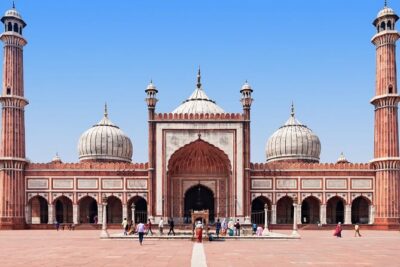
3-Day Delhi, Agra and Jaipur Private Tour – India Golden Triangle
Read our review →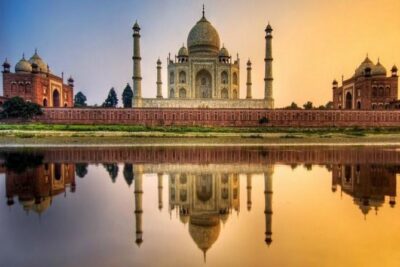
Four-Day Private Luxury Golden Triangle Tour to Agra and Jaipur From New Delhi
Read our review →
5 Nights 6 Days Private Golden Triangle Tour – Delhi Agra Jaipur
Read our review →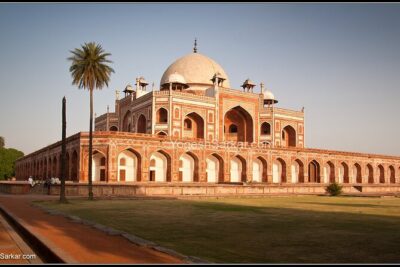

Private Car and Drive for Golden Triangle (4N/5D)
Read our review →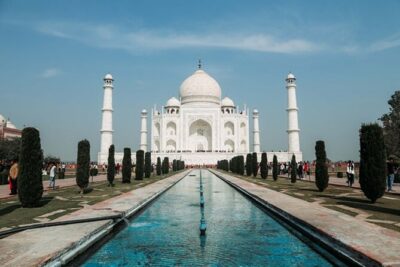
Private Golden Triangle Tour Delhi Agra Jaipur ( Top Rated )
Read our review →Browse the lists this tour appears in