
Reviewed · AGRA TOURS
Overnight trip to Delhi and Agra
Two cities, two days, one unforgettable tomb. What makes this overnight trip work is the pacing: you start with Delhi monuments, then you end up in Agra for Taj Mahal viewing time that feels like it has breathing room, not a rushed tick-box. I also like how the day includes a real Old Delhi street moment via an included rickshaw ride, guided in English so you know what you are looking at. One consideration: monument entrance tickets are not included, so you need to budget extra, and one part of the route can include shop selling pressure if you are not in the mood to browse.
The guides are a big part of the value. In Agra, Asif is highlighted for being patient and explaining what matters, and in Delhi, Jimmy is praised for connecting sites to the city’s modern story, including Gandhi’s legacy. Add a safe, private chauffeur and an air-conditioned vehicle, and you spend less time negotiating and more time seeing.
This is also a trip where you should pack smart, not heavy. Bring cash for ticket lines, keep your plans flexible with your guide, and remember meals and mineral water are not included, so you’ll want to grab food stops when you are ready.
In This Review
- Key highlights worth planning around
- The real goal of this 2-day Delhi and Agra overnight
- Day 1 in Delhi: Qutub Minar sets the tone fast
- Humayun’s Tomb: garden tomb logic, not just a pretty building
- Old Delhi by rickshaw: where the trip gets human
- Red Fort area and the biggest mosque moment
- India Gate and Lutyens Delhi: a pause with context
- A practical note about timing
- Day 2 at the right hour: Taj Mahal planning that feels sane
- Agra Fort: where the Mughal court idea turns physical
- Itimad-ud-Daulah, the Baby Taj: smaller stop, big payoff
- Guides, chauffeur, and comfort: why the group price makes sense
- The spots that can annoy you: tickets and shop selling
- What to bring so you enjoy the walking and waiting
- Who this overnight trip fits best
- Should you book this Delhi and Agra overnight tour?
- FAQ
- Are monument entrance tickets included?
- What’s included in the price besides the tour itself?
- Is pickup available, and where does the tour start?
- Is this a private tour?
- What duration should I expect?
- Do I need good weather for the trip?
Key highlights worth planning around
- Qutub Minar first, Taj Mahal last, so you get the arc from early Sultanate-era Delhi into peak Mughal grandeur
- Old Delhi rickshaw ride in the alleys, a short but memorable contrast to the big monuments
- Guides like Asif and Jimmy, consistently described as calm, clear, and good at steering attention to details
- Private group of up to 3, which is a lot more comfortable than squeeze-tours on tight schedules
- Mobile ticket, which helps you move through the process without extra back-and-forth
The real goal of this 2-day Delhi and Agra overnight
This tour is built for people who want the headline sights, but also want them explained in plain language. You get an efficient jump from Delhi to Agra with a hired chauffeur and an English-speaking local guide, and that matters because Delhi and Agra can feel confusing if you do it on your own. The vehicle is air-conditioned, which helps a lot when you are moving between monument zones.
The “overnight” part is the secret sauce. Taj Mahal is the big draw, and seeing it as part of a two-day plan gives you a better chance of feeling present instead of sprinting. You also get the Mughal story in two directions: Delhi monuments on Day 1 and the Agra classics on Day 2.
For groups up to 3 at $167.03 per group, the math tends to work best if you have 2 or 3 people splitting the cost. If you are traveling solo, it can still be a good deal because you’re buying the comfort of a private setup rather than shared transport and constant waiting.
A few more Agra days to compare
- From Delhi: Taj Mahal Sunrise, Baby Taj & Agra Fort Day Tour
★ 4.9 · 2,020 reviews - Agra: Skip-the-Line Taj Mahal & Agra Fort Private Tour
★ 4.9 · 1,546 reviews - Agra: Taj Mahal Express Entry Tickets
★ 4.8 · 684 reviews
Day 1 in Delhi: Qutub Minar sets the tone fast
Qutub Minar is where the trip earns its keep. It is the tallest minaret at about 73 meters, built in 1193 by Qutub ud din Aibek. That early start is useful because it frames Delhi as an older capital than many people expect, not just a modern city with a few famous monuments.
Plan for about an hour here. Entrance tickets are not included, listed at INR 500 per person. If you want photos that actually look good, arrive ready for a short queue and give yourself a bit of buffer. The guide should help you position yourself and focus on what to notice as you look up, since a minaret’s details can be easy to miss if you are in selfie mode.
Humayun’s Tomb: garden tomb logic, not just a pretty building
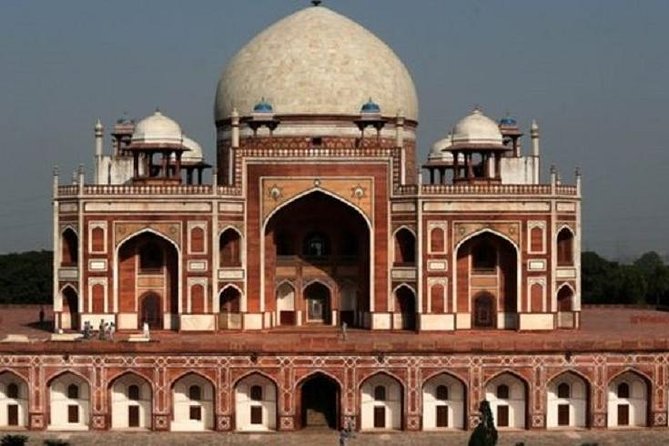
Next you go to Humayun’s Tomb, built in 1570 and described as the first garden tomb of the Mughal era on the Indian subcontinent. You’ll usually see this stop as a transition point: it is not Taj Mahal, but it shows how Mughal rulers learned to turn burial into architecture.
The stop is timed to about one hour, and the entrance ticket is INR 500 per person, not included. This is a good place to slow down. The best value is in understanding the layout and the idea behind it, because it makes the later sights in Agra feel less random and more connected.
Old Delhi by rickshaw: where the trip gets human
After the big monument work, the tour pivots into Old Delhi, and that shift is what makes this more than a list of buildings. You drive past Gurudwara Sis Ganj Sahib, opposite Red Fort in Old Delhi, then you head into the lanes for a rickshaw ride.
The rickshaw portion is about 30 minutes and is included, with admission for the Gurudwara stop listed as free. The point here is not the ride itself. It is the way you experience the market streets, trade, and street food aromas while someone explains what you are seeing. If you love street-level travel, this is one of the most practical inclusions on the whole itinerary.
A small heads-up: if you prefer quiet sightseeing, Old Delhi lanes can feel intense. You can still enjoy it, but keep your expectations flexible. Think “short and memorable,” not “scenic and slow.”
Another way to spend a day in India:
- Agra: Taj Mahal and Mausoleum Guided Tour with Skip-the-Line
★ 4.8 · 631 reviews - Private Guided Taj Mahal Tour with Skip The Line Entry Ticket
★ 5.0 · 562 reviews - Agra: Taj Mahal & Mausoleum Skip-the-Line Tour with Options
★ 4.9 · 456 reviews - Private Guided Tour of Agra
★ 5.0 · 420 reviews
Red Fort area and the biggest mosque moment
The day also includes a drive-past and viewing focus around Red Fort, plus a stop at the largest mosque in India in Old Delhi. Red Fort is described as being built in the 17th century to show the power and pomp of the Mughal emperors. Even if you are not going deep into interior spaces (the itinerary does not list entrance here), seeing the setting matters because it anchors the rest of Old Delhi.
For photos, Red Fort’s setting is dramatic, but it is also busy. The guide helps with timing and flow so you are not constantly fighting crowds.
India Gate and Lutyens Delhi: a pause with context
Day 1 closes with India Gate, a 42-meter structure built to commemorate 70,000 Indian soldiers who lost their lives for the British army during World War 1 and in the Afghan wars. It also houses the Amar Jawan Jyoti, a reminder related to the Indo-Pak war of 1971.
The tour gives you about 30 minutes at India Gate, with admission listed as free. This stop works because it’s one of the few places in Delhi where you can step out of the Mughal timeline and look at how India remembers later conflicts. It also gives you a calmer moment before you change gears for Agra.
A practical note about timing
Delhi traffic can change your timing fast. With a private car and an experienced guide, you usually get smoother transitions. Still, give yourself the mindset that Day 1 is about multiple zones in one day, so you should expect short walks and frequent re-positioning.
Day 2 at the right hour: Taj Mahal planning that feels sane
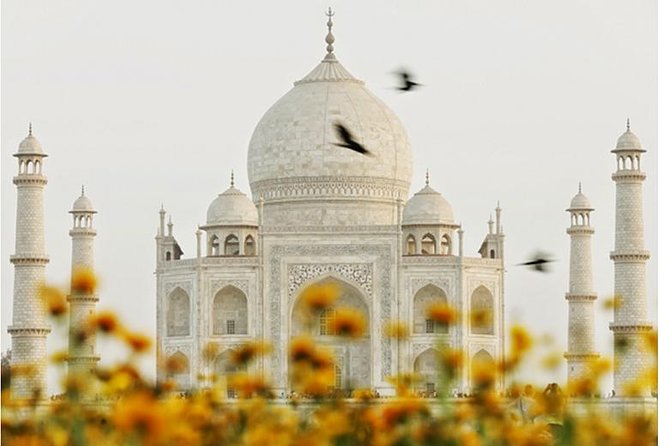
Taj Mahal is UNESCO-listed and built in 1653 as a memorial to Shah Jahan’s favorite wife, Mumtaz Mahal. This is the one you plan around, and the tour sets aside about 3 hours, which is the right amount for most people.
The monument entry fee is INR 1100 per person, not included. When tickets are separate, it affects your experience. You’ll want to keep some cash on hand and follow your guide’s lead on the best order for entrances and photo points.
The best value here is time plus explanation. The guide’s job is to make the architecture and symbolism click, not just to point at walls. If you have a short attention span for monuments, this is still worth it, because three hours is long enough to settle into the place, even if you go for a second round of photos.
Agra Fort: where the Mughal court idea turns physical
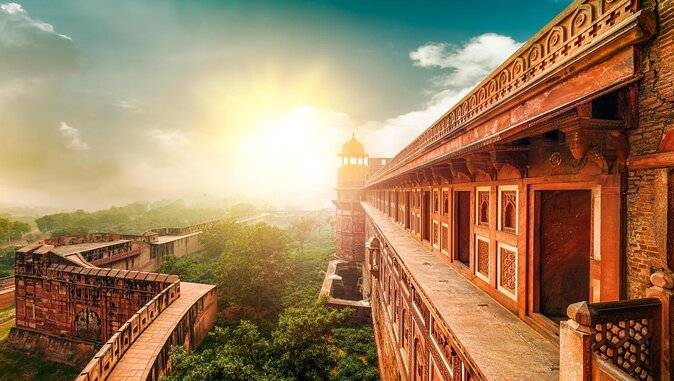
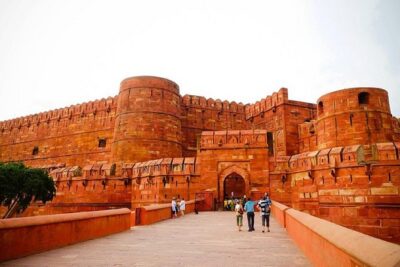
After Taj Mahal, the tour moves to Agra Fort, built in 1573 for Akbar the Great. It is UNESCO-listed and served as the seat of the Mughal dynasty until 1638 when the capital shifted to Delhi.
Entrance tickets are INR 650 per person, not included. You get about an hour, which is enough for the main viewpoints and the story the guide should be telling. If Taj Mahal is romance in stone, Agra Fort is power in stone. It helps you understand that the Mughal world was not only about tombs and gardens, but also about defense and administration.
This is also a good stop for practicality. If the weather is hot, Agra Fort’s structure can provide shaded pauses. Still, you will be walking, so bring footwear that can handle uneven surfaces.
Itimad-ud-Daulah, the Baby Taj: smaller stop, big payoff
Then you visit the Tomb of Itimad-ud-Daulah, often called the baby Taj. It was commissioned by Noor Jehan for her father. The tour allots about 30 minutes here, and the entry ticket is INR 310 per person, not included.
This stop is easy to underestimate because it is shorter. But that smaller tomb size makes it easier to notice craftsmanship. You also get a breather from the “grandest possible” effect of Taj Mahal, which can help your photos and your memory. If you only had time for one tomb, Taj Mahal would win. If you have two days, this one adds variety.
Guides, chauffeur, and comfort: why the group price makes sense
This is a private tour/activity for your group, up to 3 people. That has real comfort value. You are not timing your day around random strangers’ bathroom stops, shopping detours, or slow walking pace. A safe chauffeur also makes a big difference in Delhi and Agra, where route choices and driving habits can feel stressful if you are on your own.
The guides are repeatedly praised in the kind of way that matters. Asif in Agra comes up as patient and capable of explaining at your speed. Jimmy in Delhi is described as attentive and focused on turning sites into a story you can actually follow, including Gandhi’s legacy. That’s exactly what you want when the itinerary packs a lot into two days.
You also get a hotel room for one night. The tour includes fuel, interstate taxes, and the driver’s overnight allowance and meals. That means you are less likely to get surprise add-ons later in the trip.
The spots that can annoy you: tickets and shop selling
The biggest potential frustration is simple: monument entrance tickets are not included. The itinerary lists these as separate costs for at least Qutub Minar (INR 500), Humayun’s Tomb (INR 500), Taj Mahal (INR 1100), Agra Fort (INR 650), and Itimad-ud-Daulah (INR 310). That’s already INR 3,960 in known ticket totals, not counting any other sites where the itinerary lists no fee. If you budget only for the tour price, this will feel like a surprise.
The second irritation, based on real-world experiences, is shop pressure. One of the routes includes stops where sales attempts can feel intense. You do not have to buy anything. You can keep it polite, keep your steps moving, and tell your guide you are only there for the sightseeing portion.
What to bring so you enjoy the walking and waiting
This tour asks for moderate physical fitness. You will be moving between monuments and doing short walks, especially around Old Delhi and during tomb visits.
Bring:
- Cash for monument tickets, since they are listed separately in INR
- A hat or sun protection, because Delhi and Agra can hit hard during the day
- A small bag you can carry comfortably during the rickshaw ride
- Basic patience for lines, since the monuments are popular
Also remember meals and mineral water are not included. Build in time for quick snack breaks when the schedule allows.
Who this overnight trip fits best
This is best for you if:
- You want a tight 2-day route that still includes meaningful time at the big sites
- You prefer a private chauffeur and English-speaking guide over public transport stress
- You enjoy Old Delhi street scenes and want a guided rickshaw ride, not just a view from a bus window
- You travel as a pair or small group, so the per-group price spreads nicely
It may be less ideal if you hate crowds, dislike any shop stop situations, or want a slower pace with long interior time at every monument. This trip is efficient, not leisurely.
Should you book this Delhi and Agra overnight tour?
If your dream itinerary is Delhi landmarks plus Taj Mahal within two days, this is a strong option. The route makes sense, you get a private setup with a safe chauffeur, and the guide pairing (including Asif in Agra and Jimmy in Delhi) is the difference between seeing famous buildings and actually understanding them.
I would book it if you can handle separate monument ticket costs and you are comfortable with at least one shopping-area moment. You will come away with a clear Mughal timeline, plus the added street-life contrast of Old Delhi.
If you want, tell me your travel month and whether you are going solo, as a couple, or with friends. I can help you estimate a realistic ticket budget and pick a strategy for timing Taj Mahal photos.
FAQ
Are monument entrance tickets included?
No. Qutub Minar (INR 500), Humayun’s Tomb (INR 500), Taj Mahal (INR 1100), Agra Fort (INR 650), and Itimad-ud-Daulah (INR 310) are listed as not included. Some stops are listed as free, but the monument entries are separate.
What’s included in the price besides the tour itself?
The tour includes an air-conditioned vehicle, GST, an English-speaking local guide, a hired rickshaw ride, all applicable taxes, fuel and interstate taxes, the driver’s overnight allowance and meals, and hotel accommodation for one night in one room.
Is pickup available, and where does the tour start?
The meeting point starts in New Delhi, Delhi, India, and pickup is offered. The start is listed with opening hours from 3:00 AM to 9:00 PM within the tour’s date range.
Is this a private tour?
Yes. It is a private tour or activity, and only your group participates.
What duration should I expect?
It’s an overnight trip with a duration of about 2 days.
Do I need good weather for the trip?
Yes. The experience requires good weather. If it’s canceled due to poor weather, you are offered a different date or a full refund.
Recently added around Agra
- Taj Mahal Half Day Tour by Tuk Tuk★ 5.0 · 16 reviews
- Day Trip Delhi to Agra by Express Train in 90 Min★ 5.0 · 43 reviews
- 3-Hour Unimaginable Beauty of Taj Private Guided Tour★ 5.0 · 13 reviews
- Taj Mahal Virtual Tour with Local Guide(Online Experience )★ 5.0 · 24 reviews
- Private Tour Guide For Taj Mahal And Agra Fort★ 5.0 · 17 reviews
- Taj Mahal by Tuk Tuk : A Local-Style Adventure★ 5.0 · 39 reviews
- Taj Mahal and Agra Full Day Private Tour From Agra★ 5.0 · 8 reviews
- Taj mahal Private Tour with Entry Ticket and Guide★ 5.0 · 42 reviews
Agra Tours, compared.

Taj Mahal Sunrise, Baby Taj & Agra Fort Day Tour
Read our review →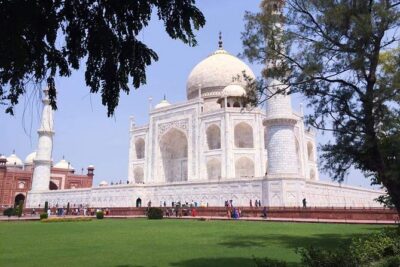
Skip-the-Line Taj Mahal & Agra Fort Private Tour
Read our review →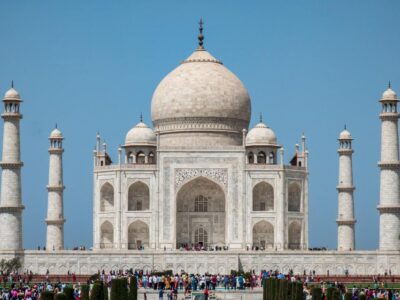
Taj Mahal and Mausoleum Guided Tour with Skip-the-Line
Read our review →
Private Guided Taj Mahal Tour with Skip The Line Entry Ticket
Read our review →
Taj Mahal & Mausoleum Skip-the-Line Tour with Options
Read our review →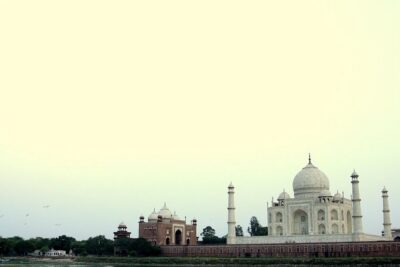
Taj Mahal, Agra Fort, Baby Taj & Mehtab Bagh Private City Tour
Read our review →Browse the lists this tour appears in