
Reviewed · COOKING CLASSES
New Delhi: Indian Cooking Class in a Local Home
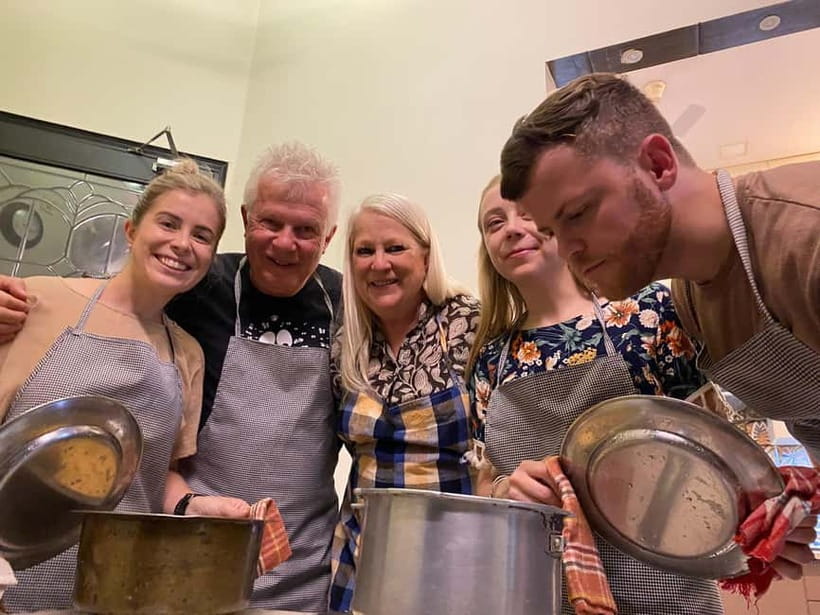
That smell of toasted spices is the whole point. In New Delhi, this class happens in a local family kitchen, not a tourist studio, so you get real technique and real context with JD and his family. You cook a full meal, and you learn what makes Indian flavors work, beyond just copying a recipe.
I especially love two things: the hands-on cooking (you’re not just watching) and the focus on spices and why steps matter. The main consideration is that this is a small-group home experience, so it’s not a high-rhythm, high-production show, and you’ll want to be comfortable in a lived-in kitchen setup.
In This Review
- Key things I’d zero in on
- Entering Bindra’s House in GK-1, New Delhi
- The 2.5-hour menu: main dish, rice, three breads, dessert
- Spice lessons that actually transfer to your kitchen
- Main dish and curry technique, step-by-step
- Rice and the bread part people usually underestimate
- Rice: more than a plain side
- Breads: rolling, shaping, and timing
- Dessert and the ending ritual: eat what you made
- Languages, group size, and how comfortable it feels
- Price and value: what you get for $47
- Who should book this Indian cooking class in New Delhi
- Should you book it?
- FAQ
- How long is the Indian cooking class?
- What does the class cost?
- How many people are in the group?
- What meal will I cook?
- What languages will the guide use?
- Where do I meet for the class?
- Is the space comfortable and are restrooms available?
- What is included in the price?
Key things I’d zero in on
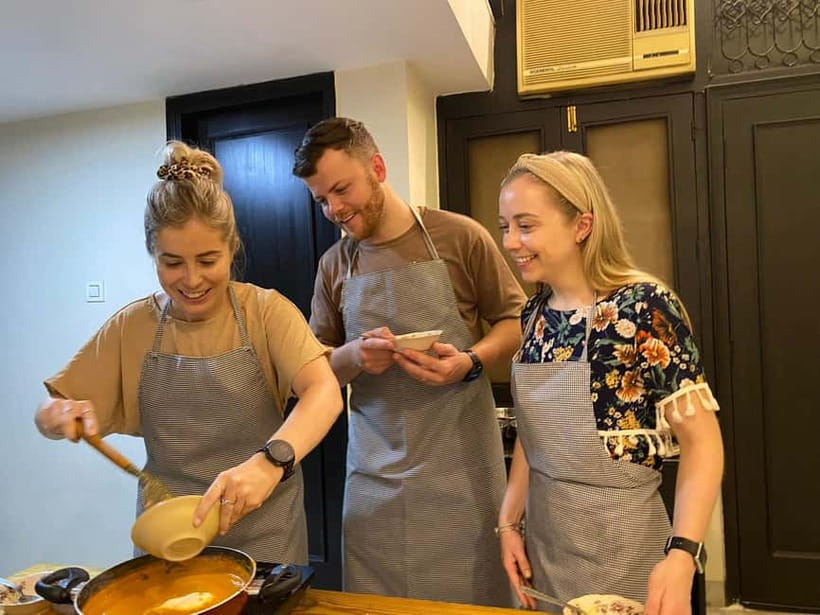
- Family-home setting in GK-1, with JD teaching and Bindra welcoming you at the house.
- Full meal coaching: main dish, rice, three types of bread, plus dessert.
- Spice explanations with practical timing, including finishing spices added near the end.
- Small group size (up to 10), which makes it easier to get questions answered.
- You eat together at the end, so your work becomes your dinner, right away.
Entering Bindra’s House in GK-1, New Delhi
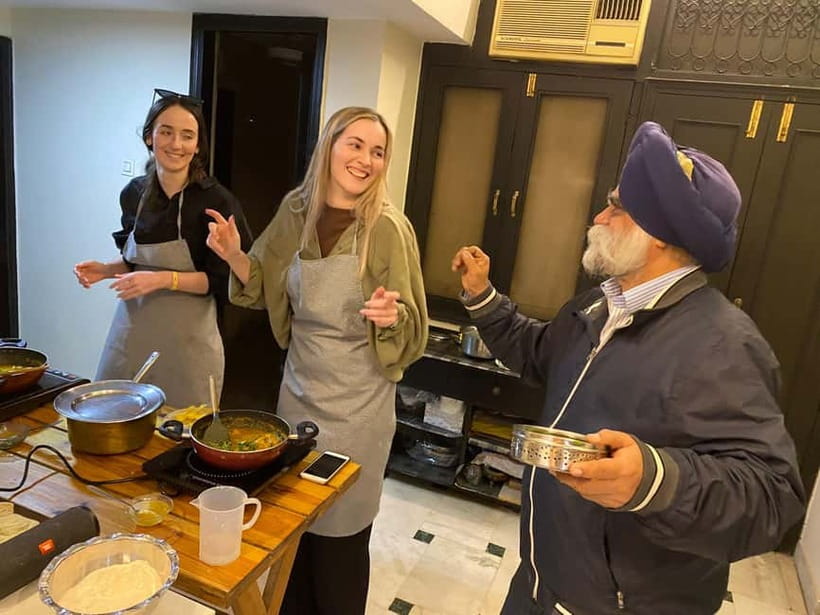
The meeting point is specific, and that’s part of what makes this feel personal: R-142, GK-1, Bindra’s House. You’re also told to use a separate entrance to skip the line, which matters because this is in a residential area, not a big public venue.
Once you arrive, the vibe is more family dinner than class. Multiple guests highlight that JD and his family greet people warmly, and that they treat the group like they’re sharing food, not performing. In practice, that means you’ll likely get time for introductions, then you get set up in the kitchen with ingredients and the plan for the meal.
One practical note: since this is a home, the kitchen experience may feel a bit more “workbench real” than “classroom clean.” It’s still set up for guests, and the space is fully air-conditioned with restroom facilities, so comfort is handled. You’re just stepping into someone’s day-to-day space.
More Cooking Classes in Delhi
- Five Course Cooking Class & Meal
★ 5.0 · 250 reviews - Veg and Non veg : Private Cooking Class in Delhi home (7 meal)
★ 5.0 · 226 reviews - Indian Cooking Class in an Authentic Local Home – Learn 6 Dishes
★ 5.0 · 195 reviews
The 2.5-hour menu: main dish, rice, three breads, dessert
The class runs about 2.5 hours, and the structure is built around getting you to taste and succeed. The goal is not one “Instagram dish.” The goal is a complete Indian meal you can recreate later.
Here’s what you should expect to cook:
- One main dish (typically a curry-style dish, often chicken in non-vegetarian groups)
- One rice dish
- Three breads (bread variety is a big part of the experience)
- Dessert
The information also frames the meal as one main dish plus rice, two types of bread, and a dessert. Meanwhile, individual experiences you may see described can include additional bread types. Either way, the bread focus is consistent. You’ll be working with dough and technique, not just heating something up.
A useful way to think about this: in one sitting, you learn how Indian meals are assembled. You’ll see how the curry works with rice, and how different breads do different jobs, like scooping, wiping sauce, or balancing spice with softer textures.
Spice lessons that actually transfer to your kitchen
This class wins because of how it teaches spices. It’s not “here are 12 jar names.” It’s about how spices shape flavor and aroma across the cooking timeline.
You’re set up to understand:
- how spices behave when heated
- how they change as cooking progresses
- how certain spices are timed for maximum impact
A detail that shows up again and again in guest feedback is the idea of a final step, where a couple of spices are added at the end to sharpen aroma and flavor. That’s a real-world technique. Most home cooks don’t notice that finishing matters until someone shows them the difference.
You’ll also learn the “why” behind steps rather than only the “do this.” Guests describe explanations that connect method to outcome, like how the curry is built in stages and how the final adjustments change the taste right before you eat.
If you’re the type who usually follows restaurant-style orders at Indian places, this is where you upgrade. You stop guessing and start controlling flavor.
Main dish and curry technique, step-by-step
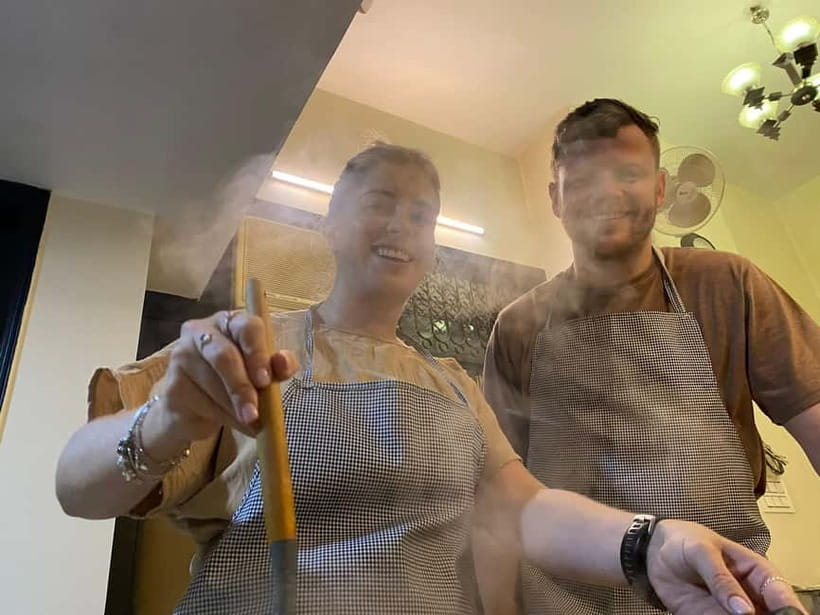
Curry gets a lot of attention, and for good reason. It’s where most people think Indian cooking is complicated, but the class treats it like a system.
In the cooking process, you can expect to work through stages that build depth:
- warming spices and aromatics
- developing the base for the curry
- cooking the main component until the texture is right
- finishing with additional spices to punch up aroma and taste
You’re not stuck doing one tiny task the whole time. The experience is described as hands-on for the group, and people note that ingredients are often prepped in advance, so you can focus on the parts that teach technique.
One nice bonus: the class also includes the background of what you’re making, including history and significance of dishes. That’s not just trivia. It helps you remember ingredients and methods because you understand what they were designed to do, not just what they’re supposed to taste like.
More Cooking classes in New Delhi:
- Pink City Cooking Class
★ 5.0 · 452 reviews - Durga Cooking Class
★ 5.0 · 159 reviews - Jaipur Market Tour & Vegetarian Rajasthani Home Cooking Class
★ 5.0 · 113 reviews - Cooking Class in Jaipur – Family Experience with Meal & Transport
★ 5.0 · 101 reviews
Rice and the bread part people usually underestimate
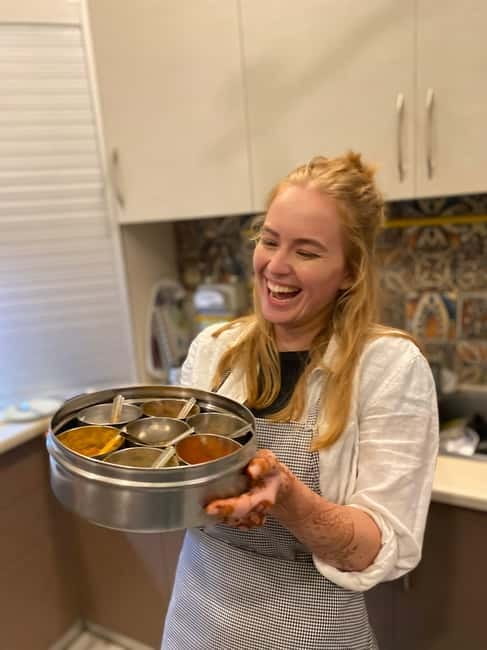
Rice and bread sound simple until you make them under instruction. This class aims to fix that.
Rice: more than a plain side
The rice dish is treated as part of the meal’s flavor logic. Guests call out rice as an eye-opener, especially because Indian rice can taste totally different from what you might expect from plain steamed rice. You may learn how it’s seasoned and how its texture supports the curry, rather than competing with it.
Breads: rolling, shaping, and timing
Bread is where you feel the difference between “I can cook it” and “I can cook it well.” In this class, you learn three bread types. That typically means more than one method and more than one dough behavior.
One practical value: when you make multiple breads, you see how ingredients behave under heat and handling. Even if you don’t remember every detail, your brain starts learning patterns. And once that happens, the next time you cook at home you’re less likely to treat bread as magic.
Also, bread helps you understand pacing. Curry often needs attention while rice and breads need their own timing. The setup is designed so things can cook in parallel, which makes the 2.5-hour window feel doable.
Dessert and the ending ritual: eat what you made
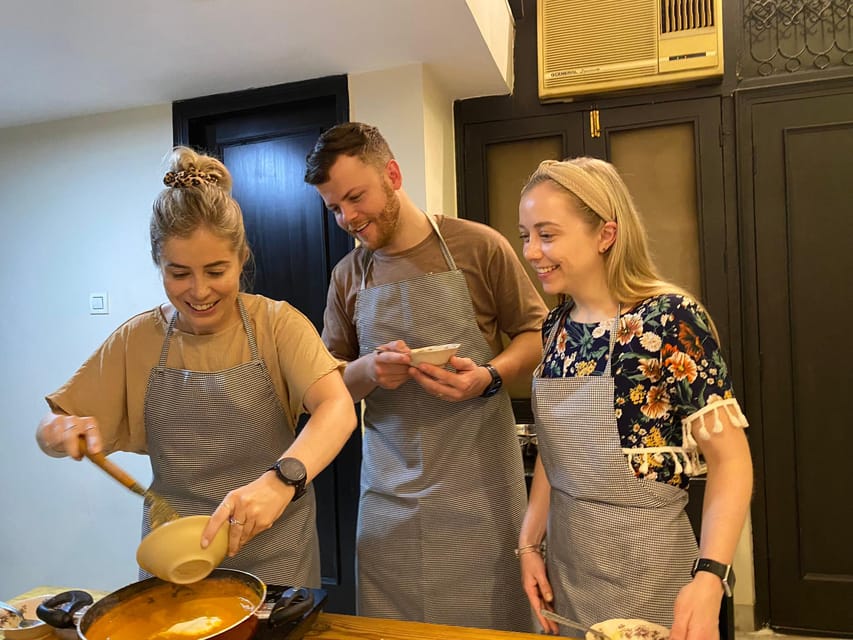
The dessert course is part of the plan, not an afterthought. The class includes a dessert you’ll prepare, and the meal ends with everyone sitting down together to enjoy what you cooked.
That matters more than it sounds. When you eat your own food right after learning, your brain locks in flavor cues. You’ll remember that step you wondered about, because you can taste how it worked.
Many guests emphasize the social feel at the table, with lively discussion and cultural insights about India. That’s consistent with what the experience is described to include, and it’s a big reason people rate it highly. Cooking becomes a shared conversation, not a solo homework assignment.
Languages, group size, and how comfortable it feels
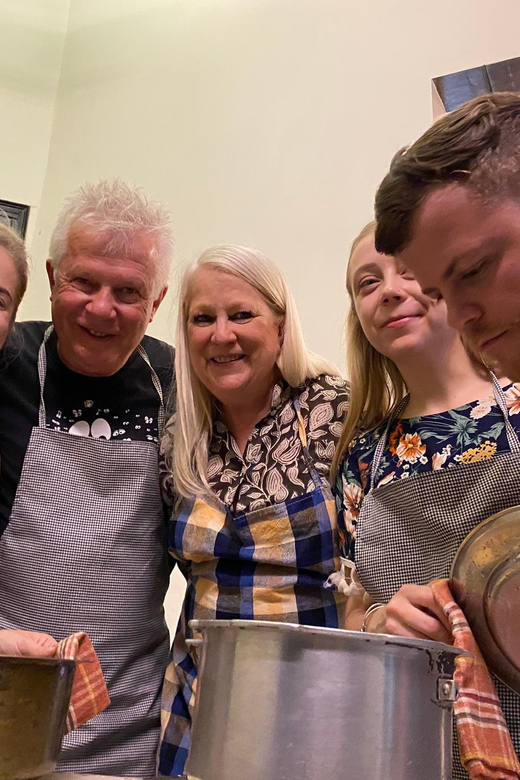
The class runs with English, Hindi, and Punjabi, and JD is repeatedly noted as speaking excellent English. That matters in a cooking class because you don’t want misunderstandings around spice timing, dough consistency, or heat levels.
The group size is limited to 10 participants, which is small enough for questions and correction. That’s also why the experience tends to feel relaxed. You’re cooking at a real pace for real food, with just enough people around that it stays communal.
There’s also mention of skip-the-line access via a separate entrance, which helps you start smoothly and reduces time wasted before you’re in the kitchen.
Price and value: what you get for $47
At $47 per person for 2.5 hours, the value is strong for three reasons.
First, you’re paying for instruction that focuses on technique and spice logic, not just ingredients. Many cooking classes teach recipes with limited explanation. This one explicitly targets spice understanding and dish backstory, and it includes the process of building curry in stages.
Second, the meal is fully included. You’re not paying for a tasting menu. You cook the main dish, rice, breads, and dessert, and all food and drinks like tea and water are part of the package.
Third, you get a “take-home” outcome. The experience is described as giving you recipes and the confidence to recreate these dishes. That’s the difference between spending $47 on entertainment versus spending $47 on skills.
If you’ve spent money on Indian meals during your trip, this can also be a budget swap. The class isn’t trying to replace restaurants as a concept. It’s trying to make you the cook next time you’re craving that same flavor.
Who should book this Indian cooking class in New Delhi
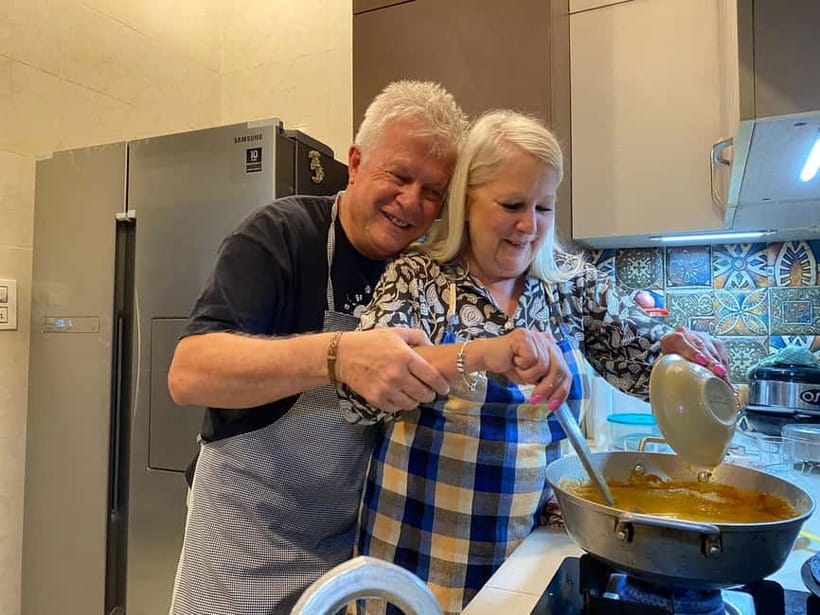
This is a great fit if you want more than food photos. It’s especially good for:
- food lovers who want to understand spices, not memorize steps
- travelers who enjoy small-group, family-style experiences
- anyone who wants to cook Indian dishes back home with confidence
- groups that prefer personalized attention over a large studio format
It may be less ideal if you want a structured, classroom-only style with strictly timed stations and minimal interaction. This is a home kitchen, and you’re part of the family table rhythm by the end.
Should you book it?
Yes, if your goal is to leave New Delhi with technique, not just a full belly. For $47 and 2.5 hours, you get a complete meal setup, explicit spice instruction, and a small-group vibe that keeps you from getting lost in a crowd.
Book it especially if you’re curious about curry structure, finishing spices, and why rice and bread taste the way they do with specific dishes. And if you’re returning home and want to actually recreate what you made, this format is built for that, with recipes and confidence at the finish line.
If you only want one quick dish or you dislike working in a residential kitchen environment, you might want a simpler restaurant meal tour. But if you’re even moderately serious about cooking, this is a smart way to spend your time.
FAQ
How long is the Indian cooking class?
The class lasts about 2.5 hours.
What does the class cost?
It costs $47 per person.
How many people are in the group?
The group is kept small, limited to 10 participants.
What meal will I cook?
You’ll prepare a complete Indian meal, including one main dish, rice, three types of bread, and a dessert.
What languages will the guide use?
The guide provides instruction in English, Hindi, and Punjabi.
Where do I meet for the class?
Go to R-142 GK-1 Bindra’s House.
Is the space comfortable and are restrooms available?
Yes, the space is fully air-conditioned, and restroom facilities are available.
What is included in the price?
The host, ingredients, everything you eat, and drinks like tea and water are included.
Recently added around New Delhi
- Taj Mahal Tour with Optional Wildlife Rescue Center Visit★ 4.9 · 12 reviews
- skip the line taj mahal tour with private tour guide★ 5.0 · 26 reviews
- From Delhi: Taj Mahal & Agra Private Day Trip with Transfers★ 4.9 · 38 reviews
- Delhi: All-Inclusive Day trip Taj Mahal with Elephant SOS★ 4.8 · 25 reviews
- Private Full-Day Jaipur City Tour with Hotel Pick-Up & Drop★ 5.0 · 7 reviews
- Magical Mathura Vrindavan Tour: Krishna’s Homeland★ 4.4 · 18 reviews
- From Delhi: All-Inclusive Taj Mahal Day Tour with transfers★ 5.0 · 38 reviews
- Hydrabad: Private 5-Hours Sightseeing Tour with Hotel Pickup★ 4.9 · 10 reviews
Cooking Classes, compared.
Veg and Non veg : Private Cooking Class in Delhi home (7 meal)
Read our review →
Indian Cooking Class in an Authentic Local Home – Learn 6 Dishes
Read our review →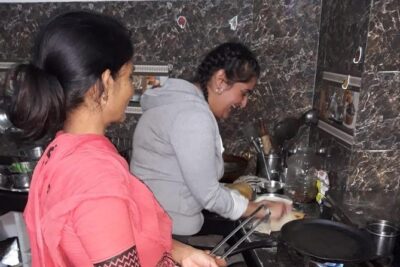
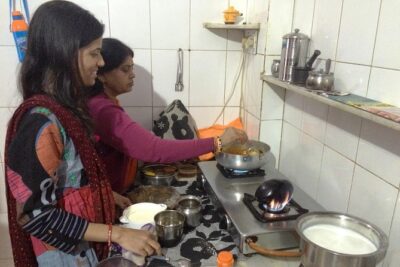
Jaipur Market Tour & Vegetarian Rajasthani Home Cooking Class
Read our review →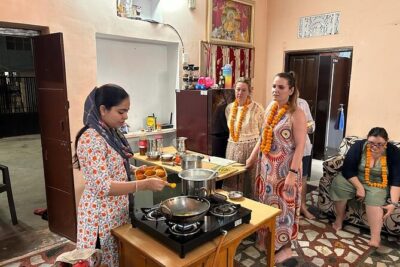
Cooking Class in Jaipur – Family Experience with Meal & Transport
Read our review →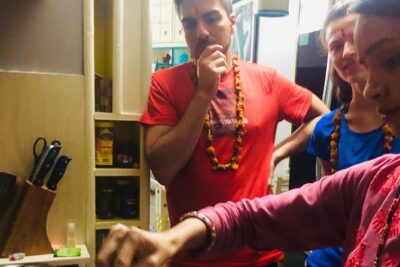
Interactive Cooking Class with a Local Family in Jaipur
Read our review →Browse the lists this tour appears in