
Reviewed · MUMBAI TOURS
Mumbai Markets and Temples Tour
One walk, two markets, and a temple. This South Mumbai afternoon tour strings together Crawford Market and Bombay Panjrapole, with Mumbadevi Temple in between and a guide explaining how locals live and shop.
I love that you get a local English speaking guide and water and a cold drink for about $28, and admissions at the stops are listed as free. I also like the mix of shopping street life, a Hindu temple visit, and a cow sanctuary, so the sights connect instead of feeling random.
The only real drawback is time. In about 2 hours 15 minutes you have limited browsing, and you should be ready for the sensory intensity of working markets, plus conservative dress expectations.
In This Review
- Key things to know before you go
- The 3:30 pm South Mumbai route, from Regal Cinema to Charni Road
- Crawford Market: working produce, meats, and a Gothic landmark
- Mangaldas Market textiles, tailors, and cloth for weddings and Diwali
- Mumbadevi Temple: namesake of Mumbai and a prasad moment
- Bombay Panjrapole cow sanctuary: seeing devotion and welfare up close
- What the guide actually adds, from safety to shopping context
- Price and value at about $27.97, including free admissions and water
- Comfort tips for a 2.5-hour market and temple walk
- Who should book this Mumbai Markets and Temples Tour?
- Should you book this tour?
- FAQ
- What time does the tour start?
- Where do I meet my guide?
- Where does the tour end?
- How long is the tour?
- What is included in the price?
- Are admissions included for the stops?
- What is not included?
- How many people are in the group?
- What should I wear?
- Can I cancel for a full refund?
Key things to know before you go
- Afternoon start, easy finish: meet at Regal Cinema in Colaba at 3:30 pm, end at Charni Road Railway Station.
- Crawford Market is more than shopping: the 1871 building is known for its Gothic and Romanesque style and is noted as the first building in India to get electricity.
- Mangaldas Market is all about textiles: a major indoor wholesale cloth market tied to weddings and Diwali.
- Mumbadevi Temple is the namesake of Mumbai: you may be able to receive prasad from Hindu priests.
- Bombay Panjrapole focuses on animal welfare: the sanctuary cares for more than 350 cows.
- Guides make the difference: reviews highlight guides who help you feel safe, answer questions, and keep the route moving at a comfortable pace.
The 3:30 pm South Mumbai route, from Regal Cinema to Charni Road
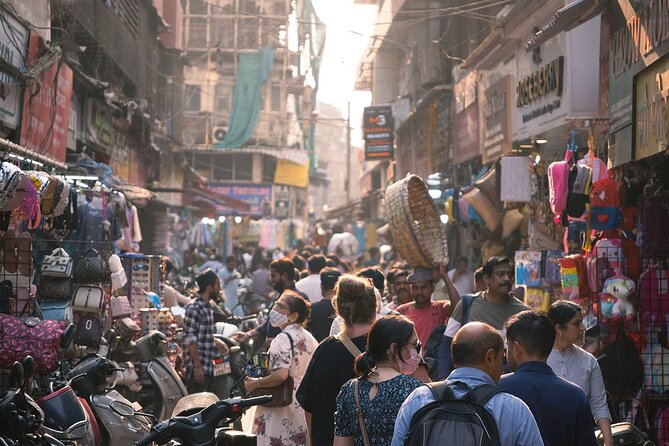
This tour is built for a late-afternoon start, with your meet point at Regal Cinema, Colaba Causeway (opposite Chhatrapati Shivaji Maharaj Vastu Sangrahalaya). From there, you walk through tight lanes and crowded market streets, then finish at Charni Road Railway Station.
That end point matters. It lets you grab a taxi or train without having to retrace your steps, and it is a practical way to see South Mumbai without losing half a day to transportation.
Group size is kept to a maximum of 25 travelers, which usually helps you stay oriented. It is also listed as near public transportation, so you have backup options if you need to adjust your plan.
The included water or cold drink is a smart touch for an afternoon walk. And because it is a mobile ticket tour, you can travel lighter.
A few more Mumbai days to compare
- Dharavi slum tour in Mumbai by Female tour guides of the slum
★ 5.0 · 1,976 reviews - Mumbai: Full-Day Sightseeing Tour of Mumbai
★ 4.9 · 1,822 reviews - Private Mumbai Sightseeing Tour (Traveller’s Choice Award Winner)
★ 5.0 · 1,565 reviews
Crawford Market: working produce, meats, and a Gothic landmark
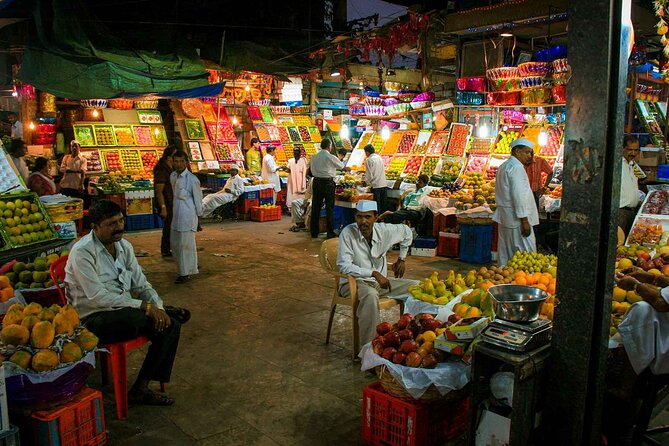
Crawford Market is where the senses hit first. You spend about 30 minutes here, and it is not a quiet gallery. It is a large wholesale fruit, vegetable, and meat market, set inside a landmark building from 1871 with Gothic and Romanesque features.
It is also known for an early technology claim, listed here as the first building in India to get electricity. So yes, you will see street-level commerce, but you also get a clear sense of why this market became such a centerpiece.
What you will likely notice as you walk the stalls:
- bright displays of vegetables
- meat counters as part of the everyday wholesale mix
- other items that show up in the market world, like imported cheeses, homemade chocolates, and household goods
One important heads-up: the tour notes that some endangered and exotic animals are sold at Crawford Market. If that kind of sight would upset you, this is the moment to decide whether you want to proceed. You do not need to be shocked into learning. You can simply say, this is not for me, and pick a different experience.
Also, markets mean crowds. If you are carrying a bag, keep it close. And if you are tempted to buy souvenirs, remember your time here is limited to about half an hour, so treat it as a look-and-learn stop, not a full shopping expedition.
Mangaldas Market textiles, tailors, and cloth for weddings and Diwali
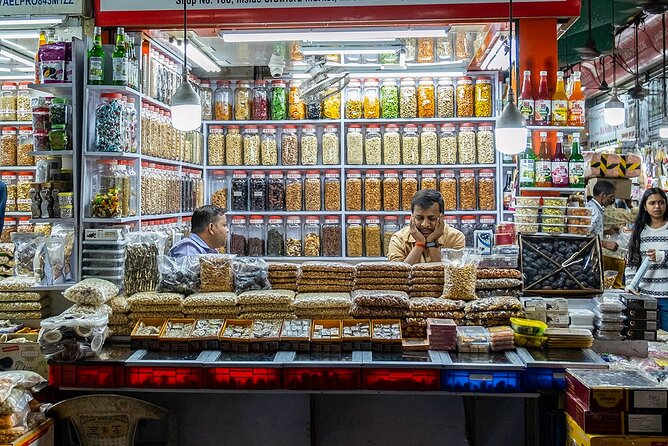
Next comes Mangaldas Market, another 30-minute stop, and it shifts the mood. Instead of produce and meats, this is an indoor wholesale textile space with hundreds of clothing vendors and tailors.
The focus here is practical and seasonal. The market is described as a major source for cloth used for special occasions, including weddings and Diwali. It is also where India’s well-known fashion designers buy fabric for their creations.
So what should you do in your short visit? Look past the idea of browsing and focus on learning how cloth moves through the system:
- what kinds of fabrics are displayed
- how bolts and tailoring interact
- why a wholesale textile market can matter just as much as a retail mall
If your travel goal is understanding Mumbai shopping habits, this is the stop that makes that click. You start to see how people plan outfits for big life moments, and how much of the work is done through specialized markets like this.
The downside is the same as Crawford: time. Thirty minutes is enough to get oriented, but not enough to compare and negotiate. If you want to shop seriously, come with a short list in mind and treat the guide as your translator of what you are seeing, not your personal shopping agent.
Mumbadevi Temple: namesake of Mumbai and a prasad moment
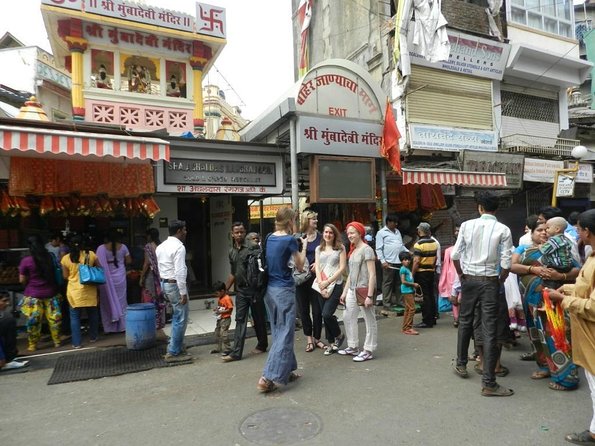
After the market intensity, you get a breather at Mumbadevi Temple. The visit is about 30 minutes, and it is framed as the historic Hindu temple that gave Mumbai its name.
The tone here changes quickly. Instead of bargaining energy and fast-moving stalls, you are stepping into a religious site where daily practice is the point.
The tour also gives you a clear cultural layer. Your guide explains basics of Hinduism and the role of priests and devotees. Inside the temple, you might also see devotees being blessed by Hindu priests. If you are up for it, you can receive prasad, described here as blessings from the priests.
A practical note: even if your goal is sightseeing, keep your pace respectful. Follow the flow you see around you and pause when others pause. If you are curious, ask your guide about what you are seeing rather than hovering at the edges.
If you want a simple souvenir from this stop, it is not an object. It is understanding how the markets connect to faith. People shop, worship, and take care of their community needs, often on the same day.
Another way to spend a day in India:
- Elephanta Caves & Island Guided Private Tour
★ 5.0 · 1,327 reviews - Group Guided Walking Tour in Fort and Colaba
★ 5.0 · 1,073 reviews - Mumbai: Elephanta Caves Half-Day Guided Tour with Expert
★ 4.8 · 1,032 reviews - Highlights of Mumbai Sightseeing Tour: TRAVELLERS CHOICE AWARDED
★ 5.0 · 915 reviews
Bombay Panjrapole cow sanctuary: seeing devotion and welfare up close
The final stop is the one that surprises a lot of people: Bombay Panjrapole, about 20 minutes.
This is an animal shelter in South Mumbai that cares for more than 350 cows. The tour highlights that the cow is sacred to Hindus, and that devotees come to the shelter as part of their religious devotion, described here as increasing their karma through care.
When you arrive, expect a calmer feel compared with the markets. But do not assume it is quiet. You are still in the middle of the city, and devotion is active.
One question I would think about before you go is how you want to relate to animals in a sanctuary setting. Keep your focus on respectful observation. Do not treat it like a photo prop. Listen to your guide about what the cows mean in Hindu life and why the shelter matters.
Some group experiences mention interacting with the cows, such as feeding, depending on what is allowed during the visit. If that opportunity appears, follow the guide’s direction first, especially around timing and rules inside the sanctuary.
Also, because this stop is short, you will get the overview more than a long walk-through. If animal welfare is your main reason for booking, I would still book this for the context. Then, if you want more time later, plan a separate visit on another day.
What the guide actually adds, from safety to shopping context
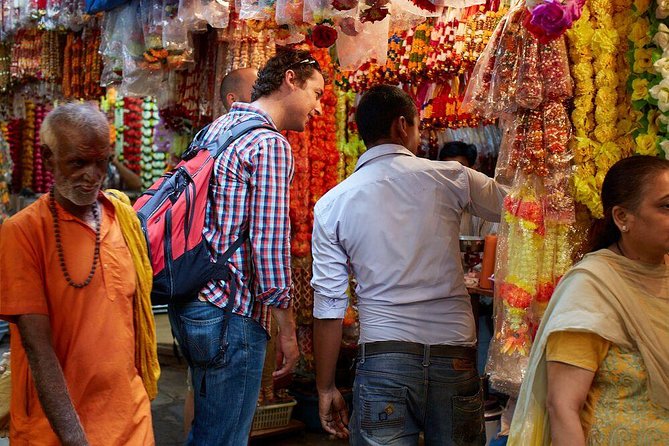
This tour can be done on your own streets, but the guide’s job is to help you understand what you are seeing, and how to move through it without getting hassled.
In reviews tied to this experience, guides are repeatedly praised for:
- keeping people safe and comfortable
- helping you when crowds get chaotic
- steering you away from attempts to take advantage
- answering questions about daily life and the meaning behind the sights
Guide names show up across bookings, including Sabin, Nilesh, Biju, Bipin Kumar, Cham, Jaden, and Chetan. The exact personality varies, but the theme is consistent: the best moments are not just the locations. It is how the guide connects them.
Here are the practical ways that connection helps you:
- At Crawford and Mangaldas, you get context so the market is not just a blur of stalls.
- At Mumbadevi Temple, you get enough Hindu basics to understand what people are doing and why prasad matters.
- At Bombay Panjrapole, you learn what devotion looks like when it turns into care.
If you are a slow walker or you want pacing, the reviews also signal that guides work with different needs. That is a real value in a walking tour where you cannot slow down the market crowd.
Price and value at about $27.97, including free admissions and water
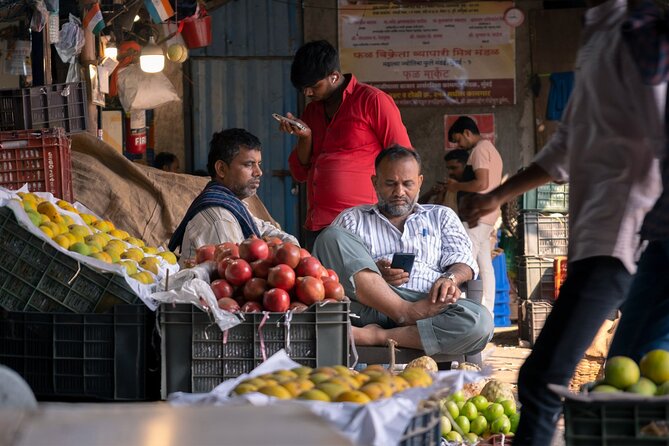
At $27.97 per person, this is priced as a budget-friendly guided walking tour. The big value question is: what do you actually get for that money?
Here is what is included based on the tour details:
- a local English speaking guide
- water and a cold drink
- admission is listed as free for each stop (Crawford Market, Mangaldas Market, Mumbadevi Temple, and Bombay Panjrapole)
- a group-size cap of 25, which helps keep it manageable
- a mobile ticket
- group discounts are noted
Then add the structure: four stops in about 2 hours 15 minutes, starting at 3:30 pm. That is not a long, slow day. It is the kind of route that fits if you are short on time but want more than one headline sight.
One extra piece I like is the note that a significant portion of proceeds goes back into the local community to support educational projects. Even when you are not paying attention to that line item, it is a reminder that your ticket is supporting local work, not just transit fuel.
Worth knowing: the listing notes it is often booked about 16 days in advance on average. If you want a specific day, you should not wait until the last minute.
Comfort tips for a 2.5-hour market and temple walk
This is a walking tour, and markets are not smooth sidewalks. Wear comfortable shoes that can handle uneven pavement and quick turns.
Dress code is also real. The tour notes conservative dress expectations throughout India, with clothing that covers shoulders and knees recommended. Even if you feel overdressed, you will feel more relaxed once you are inside the temple environment.
Bring a water strategy even though water or a cold drink is included. Markets can be warm and crowded, and you will move between locations fast. The included drink is good for the middle, but the best plan is to stay comfortable from the start.
Finally, keep your head up in crowded areas. This is not a tour where you can disappear into your phone and expect to stay on track. Your guide will help, but your eyes still help you get your bearings fast.
Who should book this Mumbai Markets and Temples Tour?
I think this tour is a strong match if:
- you want a guided walk through South Mumbai markets rather than a random market wander
- you like seeing how everyday life and religion sit side by side
- you are curious about how shopping works in places like Crawford and Mangaldas
- you care about animal welfare and want to see a shelter’s role in local devotion
It may not be the best fit if:
- you dislike crowded spaces or you cannot handle frequent walking
- you are sensitive to seeing meat products up close
- the note about possible sales of endangered or exotic animals at Crawford Market would be upsetting
If you are on a first visit to Mumbai and you want a concentrated afternoon plan, this is the kind of tour that gives you context fast. If you want long, slow shopping sessions, you may feel rushed since each market stop is about 30 minutes.
Should you book this tour?
Yes, if you want a focused South Mumbai afternoon with a clear storyline: wholesale market life, textile shopping culture, a temple connected to Mumbai’s name, and a cow sanctuary tied to devotion and welfare.
I would book it if you like tours where the guide does the heavy lifting, like explaining what you are seeing and helping you move through busy areas safely. The strong review theme around feeling comfortable with guides like Sabin, Nilesh, Biju, Bipin Kumar, Cham, Jaden, and Chetan is exactly what you want when you are walking through busy markets.
I would hesitate if your main goal is deep shopping. This is more about understanding and orientation than buying. And if you want to avoid any discomfort, think carefully about Crawford Market’s warning about endangered and exotic animal sales.
FAQ
What time does the tour start?
The tour starts at 3:30 pm.
Where do I meet my guide?
You meet at Regal Cinema, Colaba Causeway, opposite Chhatrapati Shivaji Maharaj Vastu Sangrahalaya, Apollo Bandar, Colaba, Mumbai.
Where does the tour end?
The tour ends at Charni Road Railway Station, Girgaon, Mumbai.
How long is the tour?
The duration is approximately 2 hours 15 minutes.
What is included in the price?
The tour includes a local English speaking guide and water or a cold drink.
Are admissions included for the stops?
Admission is listed as free for Crawford Market, Mangaldas Market, Mumba Devi Temple, and Bombay Panjrapole.
What is not included?
Hotel or residence car pickup and drop-off and food are not included.
How many people are in the group?
The tour has a maximum of 25 travelers.
What should I wear?
Dress conservatively, with clothing that covers shoulders and knees.
Can I cancel for a full refund?
Yes. Free cancellation is available up to 24 hours in advance for a full refund.
Recently added around Mumbai
- Mumbai Spice Markets and Bazaars Tour with Guide and Transport★ 5.0 · 42 reviews
- Customize private tour with pickup★ 5.0 · 95 reviews
- Mumbai 800 Year Worli Village: Talking Goddess, Old Fort & more★ 5.0 · 94 reviews
- Private Guided Bandra Half Day City Tour in AC Vehicle★ 5.0 · 72 reviews
- Mumbai by Night Guided Tour★ 5.0 · 6 reviews
- Gufran’s Slum Home Tour in the Mumbai Slums★ 5.0 · 19 reviews
- Private Walking Tour in Dharavi Slums★ 5.0 · 7 reviews
- The Panoramic Ridge Hike near Mumbai★ 5.0 · 7 reviews
Mumbai Tours, compared.
Dharavi slum tour in Mumbai by Female tour guides of the slum
Read our review →
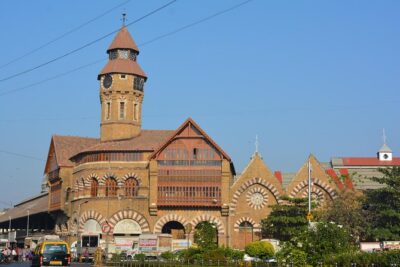
Private Mumbai Sightseeing Tour (Traveller’s Choice Award Winner)
Read our review →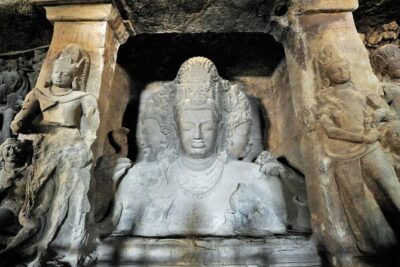

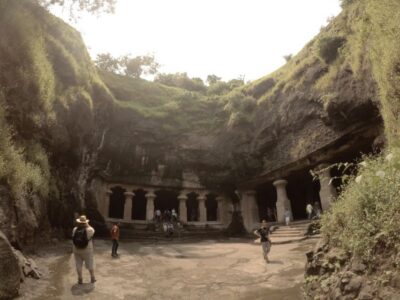
Elephanta Caves Half-Day Guided Tour with Expert
Read our review →
Highlights of Mumbai Sightseeing Tour: TRAVELLERS CHOICE AWARDED
Read our review →