
Reviewed · MUMBAI TOURS
Mumbai: Magical Markets Tour
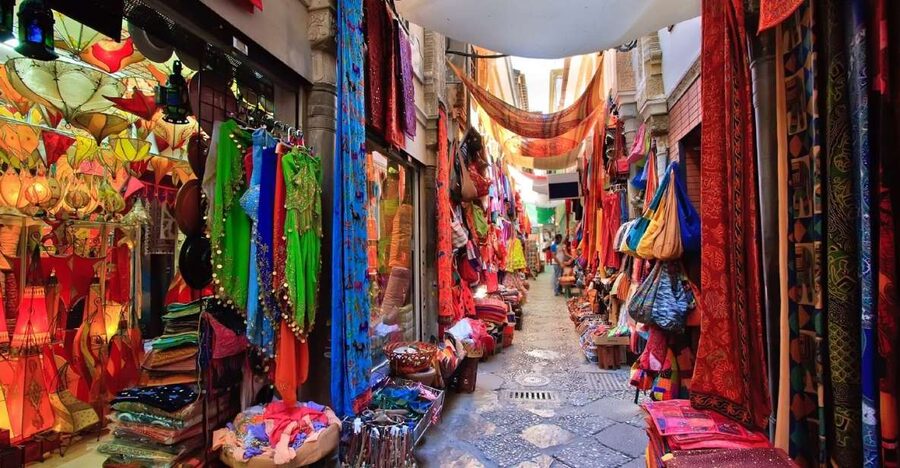
Mumbai’s markets hit you fast. That’s why this 2-hour walk works so well, you get a concentrated route through Mumbai’s oldest busy markets and the sights people actually shop around. I like how the tour pairs religious landmarks with street markets, so the city feels lived-in, not staged. I also like the hands-on shopping feel, from hidden lanes to a stop in Zaveri Bazaar, plus a chai break in a clay cup.
One thing to consider is that it’s a walking tour through crowded lanes, with a lot of looking, standing, and moving. If you get uncomfortable in tight spaces, or if you have mobility limits, this may not be your best match.
In This Review
- Key highlights you’ll feel on the ground
- A 2-hour circuit through Mumbai’s shopping landmarks
- Meeting at Cafe Coffee Day, then shoes on
- Starting at Shri Swaminarayan Mandir Vadtal: where the route finds its rhythm
- Bhuleshwar Market: fruits, pooja items, rose petals, and imitation jewelry
- Mumba Devi Temple: the city name connection at street level
- Zaveri Bazaar: Mumbai’s biggest jewelry market, in your face
- Kalbadevi streets and the chai break in a clay cup
- Chor Bazaar for antiques and furniture, with a hunter mindset
- Mangaldas Market since 1893: silk and cloth shopping energy
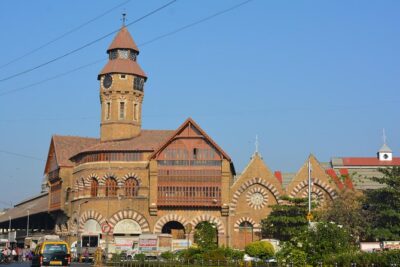
- Crawford Market: Gothic and Romanesque architecture with cheese and chocolate
- Finishing at Shri Mumbadevi Temple: the day closes where it started
- How the guide can make or break your market walk
- Price and value: why $18 can feel like a bargain
- Who should book this tour, and who should skip it
- Should you book the Magical Mumbai Markets Tour?
- FAQ
- Where does the tour start?
- How long is the Mumbai Magical Markets Tour?
- What is the price per person?
- What languages does the guide speak?
- Is it a walking tour?
- What should I bring with me?
- Is water included?
- Are luggage or large bags allowed?
- What happens if it rains?
- Is it suitable for wheelchair users or pregnant women?
- Are there any temple photography restrictions?
- Is there free cancellation?
Key highlights you’ll feel on the ground
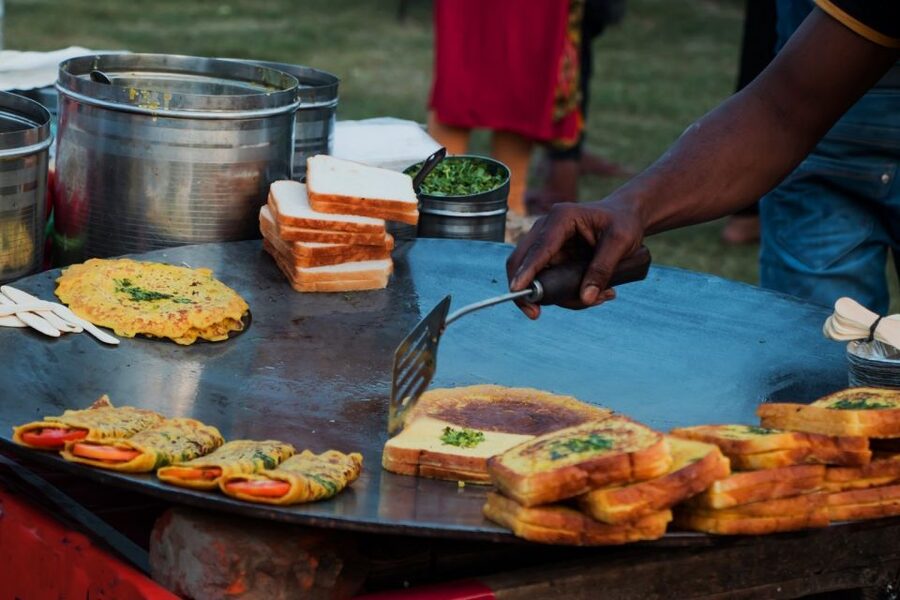
- Old-school market lanes in Bhuleshwar, with everything from fruits and pooja items to rose petals
- Zaveri Bazaar jewelry immersion, including gold, gems, and sparkling storefronts
- Temples at street level, starting at Shri Swaminarayan Mandir Vadtal and ending at Mumbadevi
- A masala chai stop in a clay cup, a simple break that resets your legs and senses
- Chor Bazaar antique-and-furniture energy, good for browsing with a curious eye
- Crawford Market architecture plus snacks, Gothic and Romanesque details alongside food stalls
A 2-hour circuit through Mumbai’s shopping landmarks
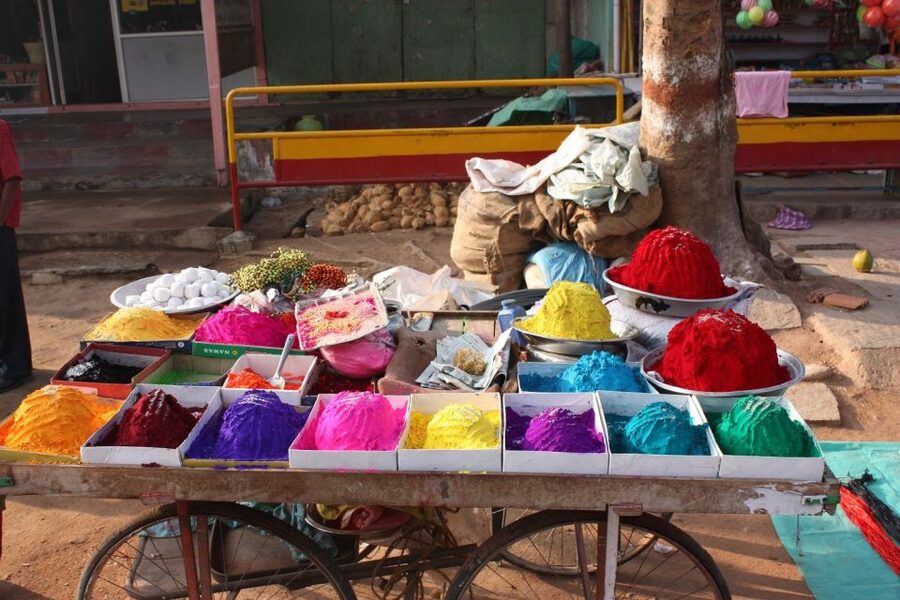
This tour is built like a highlight reel, but it’s still practical. In two hours, you’ll move through markets that locals use daily, not just places people photograph from far away. That matters in Mumbai, because the real experience is often in the lanes between the big names.
The $18 price is mostly paying for three things: a guide who can navigate the crowds and shop patterns, access to the smaller lanes that you might miss on your own, and a tasting-style break with masala chai in a clay cup. You’re not paying for a long sit-down museum day. You’re paying to walk, look, and ask questions.
You’ll also get a personal touch. The tour includes great local tips and recommendations, so if you’re hoping to follow a theme after the walk, you can. Jewelry lovers leave with a clearer sense of where to start. Food snackers learn which market stops are worth slowing down for.
A few more Mumbai days to compare
- Dharavi slum tour in Mumbai by Female tour guides of the slum
★ 5.0 · 1,976 reviews - Mumbai: Full-Day Sightseeing Tour of Mumbai
★ 4.9 · 1,822 reviews - Private Mumbai Sightseeing Tour (Traveller’s Choice Award Winner)
★ 5.0 · 1,565 reviews
Meeting at Cafe Coffee Day, then shoes on
Your meeting point is Café Coffee Day, VT Capital Cinema Building, Noor Fort, Mumbai. Expect a tight schedule, because the itinerary stacks several stops with short walks between them.
Bring comfortable shoes. You’ll cover multiple lanes and market edges, and the walk includes times of slow browsing. Also, pack for sun even if clouds show up. The tour notes sunglasses, sun hat, and sunscreen, which is smart because Mumbai light can feel intense when you’re outdoors for a short, focused route.
Rain or shine matters here. The tour operates in all weather, so you might want to be ready for wet pavement and slippery edges. One guide-related detail that stands out from past participants is that the guide kept the mood going even when conditions got damp, which is exactly what you want on a market walk.
One more practical note: luggage or large bags are not allowed. Keep it light, and if you’re bringing a day bag, keep it small enough to maneuver in crowded lanes.
Starting at Shri Swaminarayan Mandir Vadtal: where the route finds its rhythm
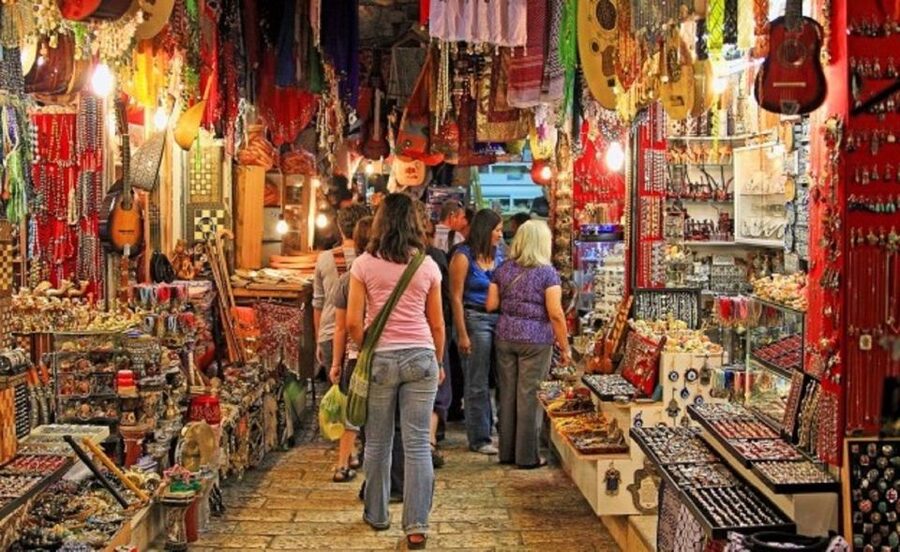
The tour begins at Shri Swaminarayan Mandir Vadtal, specifically the headquarters of the Shri Laxmi-Narayan Dev Gadi. Even if you’re not religious, this starting point sets the tone. Mumbai’s markets aren’t floating in a separate world. They connect to temple life, daily prayers, and the objects people buy for worship.
What to look for at this stage:
- How the area feels calmer around the temple compared to the street market push
- The transition from sacred space into market noise and commerce
- How your guide explains what you’re seeing, so you understand why certain shops or items appear nearby
Temple stops also come with real-world rules. Photography may be restricted inside temples, so keep your phone ready but follow what the guide tells you on the spot.
Bhuleshwar Market: fruits, pooja items, rose petals, and imitation jewelry
Next up is Bhuleshwar Market, one of Mumbai’s big, crowded market districts. This is where you feel the city’s everyday shopping habits. The tour notes a wide mix here: fruits and vegetables, imitation jewelry, religious and pooja items, rose petals, household items, and cloth accessories.
This stop is valuable because it teaches you how to read a market. Instead of thinking of it as one store type, your guide shows you the market’s “logic.” You start noticing how people move between categories, and how items related to worship sit right beside household goods and personal adornment.
Practical tips for Bhuleshwar:
- Have cash ready, because some shops only accept cash
- Keep your pace slow in the busiest lanes, especially around peak movement times
- If you’re planning to buy, ask your guide what prices or materials to look for in the category you like
If you hate crowds, this is the place you’ll notice it most. The upside is that it’s also the place that feels most authentic and most “Mumbai in motion.”
Another way to spend a day in India:
- Elephanta Caves & Island Guided Private Tour
★ 5.0 · 1,327 reviews - Group Guided Walking Tour in Fort and Colaba
★ 5.0 · 1,073 reviews - Mumbai: Elephanta Caves Half-Day Guided Tour with Expert
★ 4.8 · 1,032 reviews - Highlights of Mumbai Sightseeing Tour: TRAVELLERS CHOICE AWARDED
★ 5.0 · 915 reviews
Mumba Devi Temple: the city name connection at street level
Then comes Mumba Devi Temple, the stop tied to where the city’s name comes from. This isn’t just a box-check. It helps explain why certain neighborhoods carry special meaning, and why Mumbai’s market culture is so close to religious life.
You’ll likely get a short, guided look rather than a long temple session, which is right for a two-hour route. Think of it as a pause button. After Bhuleshwar’s intense variety, a temple stop gives you breathing room and context.
Just remember the basic etiquette basics:
- Keep your voice low
- Follow the guide’s instructions for photography
- Treat it as a place people come to pray, not a stage for your camera
Zaveri Bazaar: Mumbai’s biggest jewelry market, in your face
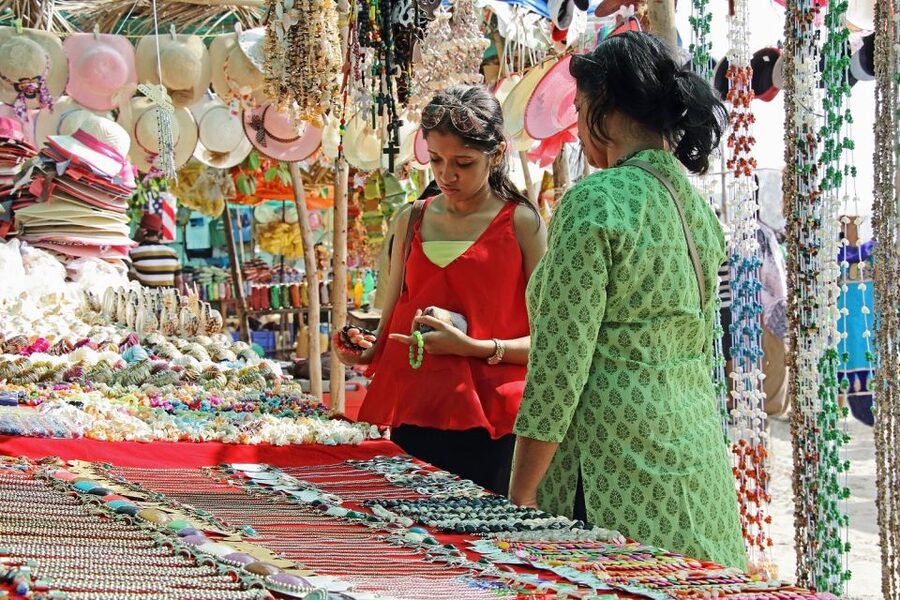
After you pass through the lanes around Kalbadevi, the tour moves to Zaveri Bazaar, described as the largest jewelry market in Mumbai. This is the most visually intense portion of the route. You’ll see ornaments, jewelry, gold, and glittering stones.
This stop is a dream if you like color, craftsmanship, and materials. It’s also a great place to learn how jewelry shopping works in a market setting. Without this kind of guidance, you might focus on the most obvious displays and miss the patterns that shops share, like how certain styles cluster together or how sales pitches differ by shop type.
How to make the most of Zaveri Bazaar:
- Look first, ask questions second. This keeps your mind clear and avoids impulse buying
- Pay attention to your guide’s suggestions for what to compare (materials, design styles, and what’s worth a closer look)
- If you prefer browsing only, tell your guide early. It changes the way they pace you
From the guide feedback, one thing that consistently lands well is how well the guide manages expectations and keeps people comfortable. If you’re a bit shy about shopping in busy areas, having an English and Hindi speaking guide makes a big difference.
Kalbadevi streets and the chai break in a clay cup
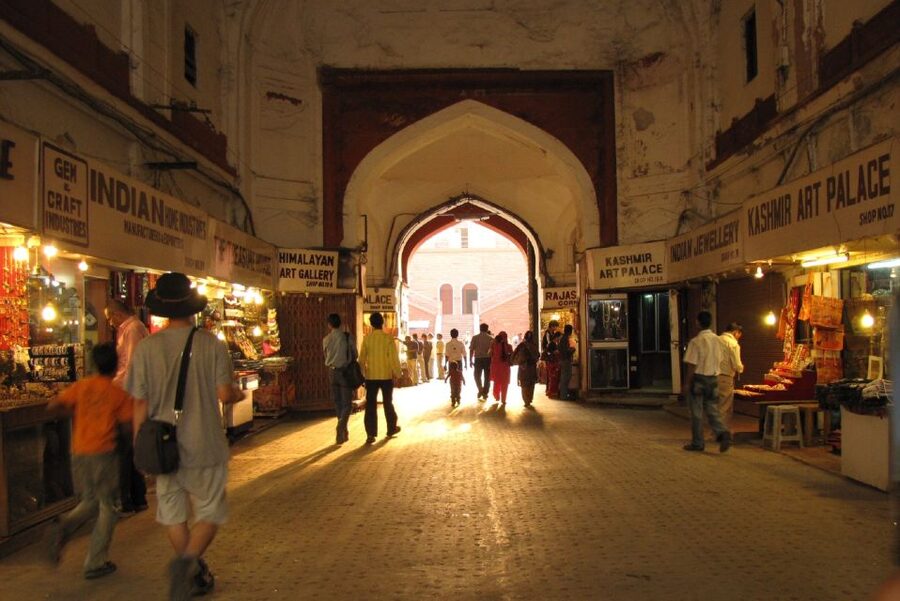
Kalbadevi isn’t a single landmark stop, it’s more like the connective tissue of the route. The tour notes scenic views on the way, which is welcome because you need variety after dense market sections.
Then you get a short break with masala chai in a clay cup. This is one of those “small” inclusions that makes the whole experience feel complete. It’s not a fancy café detour. It’s a local ritual in a local container, and it gives you a chance to reset while still staying in the market atmosphere.
A couple of practical points:
- Don’t drink too fast. It’s a warm break, and market walking keeps you moving
- Take a few sips, then step back into the flow. The tour is designed for continuous motion
Chor Bazaar for antiques and furniture, with a hunter mindset
Next is Chor Bazaar, famous for antiques and furniture. This part of the tour shifts the vibe from “buy something new or shiny” into “hunt for interesting.” If you enjoy old objects, wear patterns, and the stories items might carry, you’ll probably have the most fun here.
Chor Bazaar is also a good reminder that markets are about discovery. Even if you don’t plan to purchase, browsing helps you understand the city’s idea of value, reuse, and style.
Tips for enjoying this stop:
- Keep your expectations open. Not every item is a hidden treasure, but the variety teaches you what’s common and what’s unusual
- Go slowly through the most crowded stalls, and use your guide for quick explanations if something catches your eye
- If you’re unsure about buying anything, say so. A guide can still help you enjoy the browsing part
Mangaldas Market since 1893: silk and cloth shopping energy
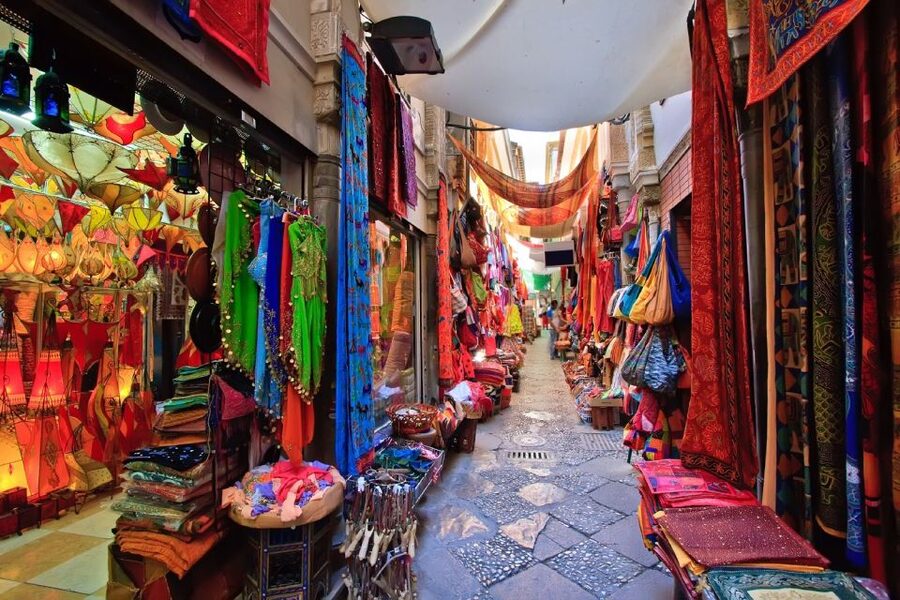
Then you’ll move to Mangaldas Market, which opened in 1893 and is known for silk and cloth. This is a different kind of market brain. Here, you’re reading fabric textures, color mixing, and how cloth is displayed and sold.
If you like fashion, scarves, or fabric quality, this stop rewards attention. Even if you’re not buying, you’ll learn what different cloth types tend to look like and how shop displays are organized.
One practical consideration: cloth markets can be intense on the senses, and they often attract people shopping for gifts or outfits. Go with patience, and rely on your guide’s pacing so you don’t feel rushed.
Crawford Market: Gothic and Romanesque architecture with cheese and chocolate
The final market stop is Crawford Market, South Mumbai’s most famous market. You’ll spend time browsing fruits, vegetables, imported cheese, and homemade chocolate.
This is a great closing act because it blends architecture with food. The tour notes Gothic and Romanesque style, which gives you a visual landmark to anchor the end of the walk. It also makes the browsing feel less chaotic, because you have a sense of place and structure.
What to look for here:
- The building details as you move in and out of stalls
- Snack ideas that feel like a Mumbai food souvenir, not just generic market buys
- How fresh produce sits beside specialty items like cheese and chocolate
If you’re a foodie, this stop can turn your route into a mini tasting trip. If you’re watching your budget, it’s still fun to browse because you’re choosing from categories that are easy to sample without committing to a big purchase.
Finishing at Shri Mumbadevi Temple: the day closes where it started
The tour finishes at Shri Mumbadevi Temple. Ending at a temple makes sense, because the whole walk started with a major temple stop, and it keeps the cultural thread intact.
This ending also helps with pacing. After shopping and browsing, you get a calmer, more reflective final moment. It’s a natural place to stand, regroup, and get any last local recommendations from your guide.
How the guide can make or break your market walk
In a market tour, the guide is the difference between feeling lost and feeling confident. English and Hindi support is included, and that matters in Mumbai where lane directions can be fast and unclear.
The strongest positive feedback around guide performance is about friendliness, knowledge, and staying on top of the details, including keeping people comfortable and moving through the right streets at the right times. Some participants also appreciated that the guide stuck around until drivers picked them up, which is a simple service detail but a big comfort after a walk.
There’s also a practical downside to be aware of. A small number of experiences have ended early when the route felt off and when the focus shifted toward shopping in a way that didn’t match what people wanted. You can protect yourself from that by being clear at the start:
- Tell your guide you prefer browsing, not buying
- Let them know if temple time and photography rules matter to you
- Ask for a quick plan of what you’re doing next, so you know what to expect
If you’re flexible and curious, you’ll likely have a smooth, confident walk. If you want a very specific focus, communicate it early.
Price and value: why $18 can feel like a bargain
At $18 per person for 2 hours, the price is mainly for the guided access and the time savings. You’re not spending money on transport between far-flung attractions because the route is compact and designed for walking.
Included value adds up:
- A friendly guide who speaks English and Hindi
- Access to hidden lanes and local markets
- Masala chai in a clay cup
- Local tips and personalized recommendations
Not included:
- Water bottle
- Personal expenses
- Hotel pickup and drop-off
So if you’re the kind of person who likes to snack and shop, bring some extra cash or plan ahead. Some shops only accept cash, which is common in market areas, so don’t assume cards will work everywhere.
Also, because it’s a walking tour, the real cost is your energy. Wear good shoes and treat it like a focused street day, not an easy stroll.
Who should book this tour, and who should skip it
This tour is a strong fit if you want:
- A quick introduction to Mumbai market culture
- A mix of temples and shopping streets
- A guide-led route that helps you understand what you’re looking at
- A short chai break built into the walk
It’s not a great fit if:
- You’re pregnant
- You use a wheelchair
- You struggle with crowded spaces and long standing time
If you’re visiting Mumbai for the first time and you want something real without committing to a full day, this is the kind of activity that gives you bearings fast.
Should you book the Magical Mumbai Markets Tour?
Yes, with a couple of smart expectations. Book it if you like markets and you want a guided walk that hits major shopping zones like Bhuleshwar, Zaveri Bazaar, Chor Bazaar, Mangaldas Market, and Crawford Market, with temple stops woven in. The guide component is the real engine here, especially if you’ve ever felt overwhelmed by busy street navigation.
Skip it or reconsider if you hate crowds, need guaranteed low walking, or you have mobility limitations. Also, if you feel strongly about how much you want to shop, tell your guide early so you get the browsing experience you’re aiming for.
If you come prepared with comfortable shoes, cash for certain shops, and a mindset for fast, colorful street life, you should feel glad you booked.
FAQ
Where does the tour start?
Please meet at Café Coffee Day, VT Capital Cinema Building, Noor Fort, Mumbai.
How long is the Mumbai Magical Markets Tour?
The duration is 2 hours.
What is the price per person?
The price is $18 per person.
What languages does the guide speak?
The live guide speaks English and Hindi.
Is it a walking tour?
Yes. It’s a walking tour, so you should wear comfortable shoes.
What should I bring with me?
Bring comfortable shoes, sunglasses, a sun hat, sunscreen, and a hat.
Is water included?
No. A water bottle is not included.
Are luggage or large bags allowed?
No. Luggage or large bags are not allowed.
What happens if it rains?
The tour operates rain or shine.
Is it suitable for wheelchair users or pregnant women?
No. It is not suitable for wheelchair users or pregnant women.
Are there any temple photography restrictions?
Photography may be restricted inside temples.
Is there free cancellation?
Yes. Free cancellation is available up to 24 hours in advance for a full refund.
Recently added around Mumbai
- South Mumbai: Cultural Heritage Walking Tour★ 4.8 · 45 reviews
- Mumbai: Local Markets & Temples Tour★ 4.6 · 45 reviews
- South Bombay Live Walking Tour★ 4.9 · 11 reviews
- Mumbai: Same Day Tour of Ajanta & Ellora Cave’s★ 5.0 · 7 reviews
- Private Mumbai Highlights Tour (5 Hours)★ 4.9 · 46 reviews
- Private Dharavi Slum Tour★ 5.0 · 13 reviews
- Night Tour: Mumbai’s Nights & Buzzing Bazaars★ 5.0 · 7 reviews
- Mumbai:Dhobi Ghat Laundry,Dharavi Slum & Flower market Tour★ 5.0 · 12 reviews
Mumbai Tours, compared.
Dharavi slum tour in Mumbai by Female tour guides of the slum
Read our review →
Private Mumbai Sightseeing Tour (Traveller’s Choice Award Winner)
Read our review →

Elephanta Caves Half-Day Guided Tour with Expert
Read our review →
Highlights of Mumbai Sightseeing Tour: TRAVELLERS CHOICE AWARDED
Read our review →
Browse the lists this tour appears in