
Reviewed · TRAIN EXPERIENCES
Mumbai City + Dabbawala aka Lunchbox + Train Ride Tour – The Unfeigned Mumbai.
Lunchboxes and trains run this city. This private half-day tour is a fast, real-life way to see dabbawalas at work and ride a local train like locals do, not from behind glass. I like that it mixes street-level daily routines with big Mumbai landmarks, so you get context, not just photos.
I particularly like the stop at Dhobi Ghat, where you can watch the outdoor laundry work tied to hotels and hospitals. It gives you a human scale for how Mumbai keeps moving, even while the skyline stops you in your tracks.
One consideration: this is a packed route with short photo windows at several iconic sights. If you prefer slow, in-depth museum time or lots of wandering time, you might feel rushed.
In This Review
- Key highlights to look for
- Why this tour is a smart way to see Mumbai in 5 hours
- Churchgate Railway Station, where the lunchbox system meets the tracks
- Dhobi Ghat, open-air washing that keeps hotels and hospitals supplied
- Mani Bhavan Gandhi Museum, a quieter Mumbai anchor
- Hanging Gardens and Kamala Nehru Park, quick resets between big sights
- Marine Drive to Gateway of India, coastal sights with context
- Rajabai Clock Tower and the nearby University pulse
- Bombay High Court, legal architecture and the meaning of an institution
- Chhatrapati Shivaji Maharaj Terminus, the train landmark that closes the loop
- What you get for $69.99, and what not having lunch means
- Who should book this Unfeigned Mumbai route
- Should you book this Mumbai City plus Dabbawala and Train Ride Tour?
- FAQ
- What is the duration of the Mumbai City + Dabbawala + Train Ride Tour?
- Where does the tour start?
- Is hotel pickup included?
- Are drinks included?
- Is lunch included?
- Is this a private tour?
- Do I ride a local train during the tour?
- What are the admission fees like across the stops?
- What is the cancellation policy?
Key highlights to look for
- Dabbawalas at Churchgate to understand the lunchbox delivery and return rhythm
- Dhobi Ghat to see open-air laundry work by dhobis
- Mani Bhavan Gandhi Museum with Gandhi’s Mumbai headquarters story from 1917 to 1934
- Iconic coastal and rail landmarks in one 5-hour run
- Included drinks and bottled water, helpful for a few hours on the move
- Private format where only your group participates, plus hotel pickup from select locations
Why this tour is a smart way to see Mumbai in 5 hours
If you only have a few hours and you want to understand the city, this route is built for that. You start with the systems that feed and serve Mumbai daily, then you move outward to the landmarks that people associate with the city’s identity.
What makes the plan feel practical is the sequencing. You begin where the dabbawala lunchbox journey is tied to the train network, then you go to an open-air workplace, and only after that do you switch gears into monuments and architecture. That pacing helps you connect what you’re seeing on the street to what you’re seeing in the skyline.
It’s also designed for comfort and logistics. You get bottled water plus coffee and/or tea, you ride in an air-conditioned vehicle for the transfers, and you get pickup from select Mumbai hotels. Lunch is not included, so you’ll want to plan around that if you’re visiting later in the day.
A few more Mumbai days to compare
- Dabbawala, Dhobi Ghat & Dharavi slum Tour with Local Train Ride
★ 5.0 · 102 reviews - Mumbai: Dharavi Slum and Dhobi Ghat Tour with Train Ride
★ 5.0 · 9 reviews - Primmum Mumbai Sightseeing With Local Train Ride Experience
★ 5.0 · 7 reviews
Churchgate Railway Station, where the lunchbox system meets the tracks
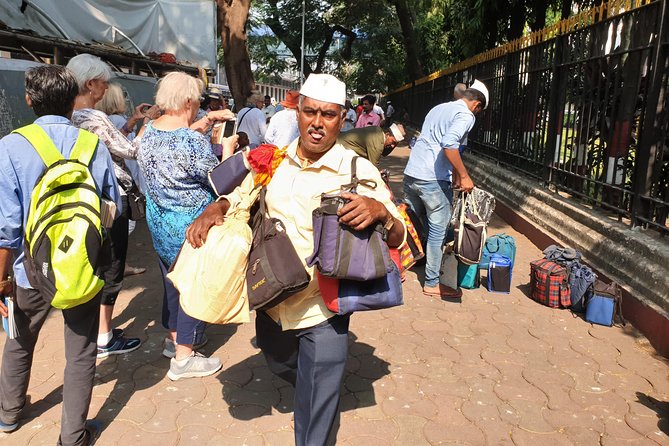
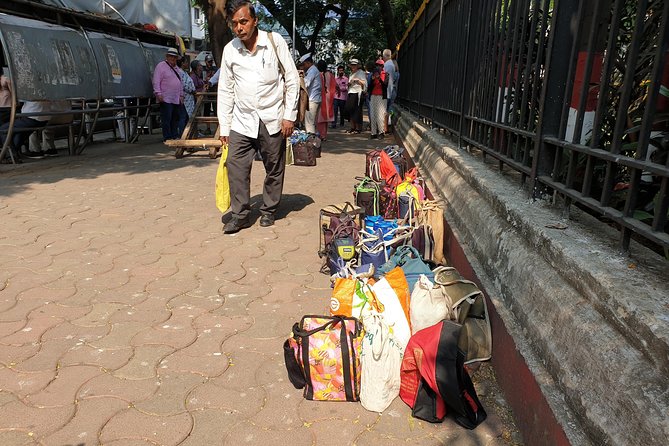
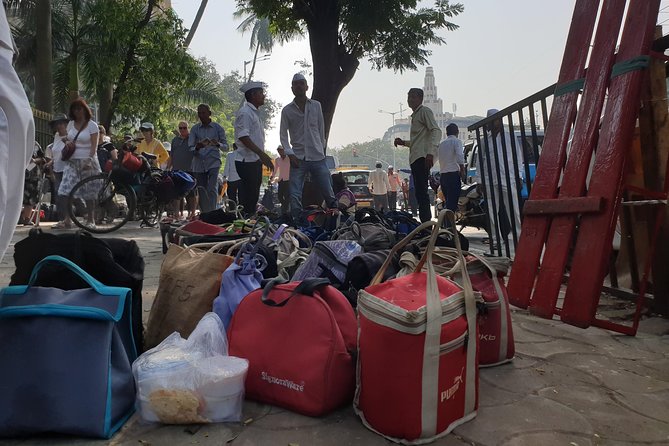
The tour kicks off at Churchgate Railway Station, with a 15-minute stop and an admission ticket included. This is where you get your first grounding in the dabbawala world, the lunchbox delivery and return system that moves hot meals from homes and restaurants to people across the city.
The main value here is not just seeing a station. It’s seeing how a daily routine depends on timing, organization, and movement. Even if you’re not a transit expert, you’ll come away understanding the role of trains in linking neighborhoods and meal deliveries.
Practical tip: listen closely during the guide briefing. At this point in the tour, you’ll be trying to spot the workflow, so any context you get will help everything click later when you see other landmarks.
Dhobi Ghat, open-air washing that keeps hotels and hospitals supplied
Next you head to Dhobi Ghat (Mahalaxmi Dhobi Ghat), a 15-minute stop with admission ticket free. This is an open-air laundromat where dhobis wash laundry in the open. The work is tied directly to clothes and linens coming from Mumbai’s hotels and hospitals.
Why this stop matters: it gives you a window into a labor system that is rarely shown in standard sightseeing. You’re not just looking at an attraction. You’re watching a working process that supports other parts of the city every day.
What to expect during your short window is a lot of motion and activity, with the outdoor setting doing most of the explaining. If you’re the type who likes to ask questions, this is a great time to do it, because the work itself is the story.
A small consideration: because the stop is brief, you’ll want to pace yourself. Spend time looking first, then switch to photos, rather than rushing both at once.
Mani Bhavan Gandhi Museum, a quieter Mumbai anchor
After the street-level stops, you’ll get a breather at Mani Bhavan Gandhi Museum. The visit is about 30 minutes, with admission ticket included.
Mani Bhavan matters in this tour because it’s described as Gandhi’s Mumbai headquarters for about 17 years, from 1917 to 1934. You’re not just hearing a headline. You’re in the place tied to that long stay. The mansion belonged to Revashankar Jagjeevan Jhaveri, who was Gandhi’s friend and host in Mumbai during that period.
The best way to use your time here is to keep your expectations realistic. You’re not spending half a day deep in documents. You’re getting an informed, guided connection point between the city’s daily life and the political and social currents that shaped it.
If you’re short on time and want something meaningful that doesn’t feel like a quick stop-and-snap, this is the one on the itinerary that leans more “learn” than “look.”
Another way to spend a day in India:
- Dharavi slum tour in Mumbai by Female tour guides of the slum
★ 5.0 · 1,976 reviews - Mumbai: Full-Day Sightseeing Tour of Mumbai
★ 4.9 · 1,822 reviews - Private Mumbai Sightseeing Tour (Traveller’s Choice Award Winner)
★ 5.0 · 1,565 reviews - Elephanta Caves & Island Guided Private Tour
★ 5.0 · 1,327 reviews
Hanging Gardens and Kamala Nehru Park, quick resets between big sights
You get two green and viewpoint-style breaks close together.
At Hanging Gardens (also called Pherozeshah Mehta Gardens), you’ll have about 15 minutes, admission ticket free. It notes the gardens were first built in 1881 and are said to have been built over one of Bombay’s main water reservoirs, with the idea of protecting it from getting polluted.
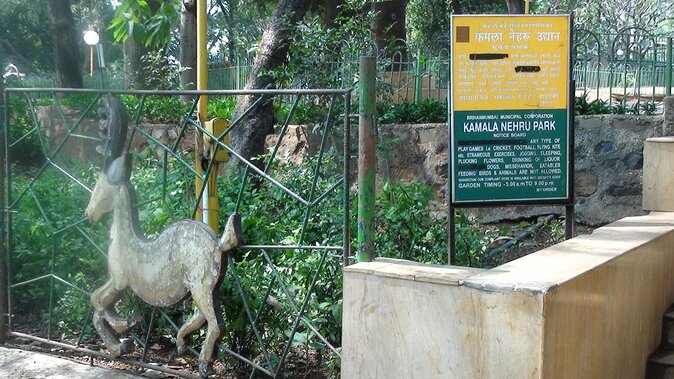
Then you jump to Kamala Nehru Park, about 10 minutes, admission ticket free. This stop is named for Kamla Nehru. There’s also a shoe structure inspired from a nursery rhyme, which is the kind of detail that makes a quick stop feel memorable rather than generic.
Why I like this pair of stops: they give your eyes a change of pace. After train-and-workplace viewing, the garden and park interruptions are short, but they help you avoid sensory overload. Also, they’re easy for photographers because you’re not waiting in long queues for the next ticket.
Drawback: because the stops are short, you may not get the slow, wander-and-stay feeling. Treat them as resets, not destinations.
Marine Drive to Gateway of India, coastal sights with context
The route then leans into Mumbai’s famous coastline.
At Marine Drive (10 minutes, free), the itinerary notes that Marine Drive and Netaji Subhash Chandra Bose Road are often used interchangeably to refer to a 3.6 km stretch. You’ll also get quick background on how the road and promenade were constructed by late philanthropist Bhagojisheth Keer, based on the details provided.
Then comes Gateway of India (15 minutes, free). The monument is said to commemorate the landing of King George V and Queen Mary at Apollo Bunder on their visit in 1911. It’s described as built in Indo-Saracenic style, and you’ll hear about its foundation stone too.
This is where the tour becomes most “iconic.” The difference is you’re arriving after seeing the working systems of the city, so the landmarks feel less like postcards. You’re watching the way Mumbai visually frames itself, while earlier stops showed how people actually live inside that frame.
Practical note: these are good walking breaks, but keep an eye on time. The itinerary moves on quickly after.
Rajabai Clock Tower and the nearby University pulse
You then stop at Rajabai Clock Tower (10 minutes, admission ticket free). This tower is described as one of a kind because it stands tall in the University of Mumbai premises. The design is credited to architect Sir George Gilbert Scott in 1878, and it was financed by the founder of the Bombay Stock Exchange (as described in the tour details).
Why it works in this tour: it’s an architectural counterpoint after the coastal monument stop. You go from “imperial arrival” to “education and civic presence,” and it helps you see how different institutions shaped the city’s look.
Given the short stop length, the goal is to get your bearings. Look at proportions first, then take one or two photos you’ll actually want to keep. With time limits, it’s easy to over-shoot and end up with blurry extras.
Bombay High Court, legal architecture and the meaning of an institution
The itinerary includes a stop tied to the Bombay High Court. The details say the court was established on August 14, 1862 under the Indian High Courts Act, 1861 enacted by the British Parliament. It also notes that the court began functioning with 7 judges.
This stop is brief but useful, especially if you’re trying to understand how Mumbai fits into a larger administrative story. When you’re seeing so many major sights in one run, an institutional stop helps balance the route so it doesn’t feel only about monuments and seafront views.
What to do here: read the context you’re given and then look at the building itself like it’s a “symbol of function.” This is one of the places where your guide’s framing matters more than the angle you photograph from.
Chhatrapati Shivaji Maharaj Terminus, the train landmark that closes the loop
Finally, the tour ends at Chhatrapati Shivaji Maharaj Terminus (about 10 minutes, admission ticket free). The details in your tour information explain it has been known by other names and that it was renamed in 1996 as Chhatrapati Shivaji Maharaj Terminus. The tour also references the codes CSMT or CST.
This last stop completes the story arc of the half-day. You begin at Churchgate, you ride trains with your guide as part of the experience, and then you finish at one of the city’s best-known rail landmarks. That’s a lot of “connective tissue” for just 5 hours.
If you’re the kind of person who likes to travel by understanding infrastructure, this ending will feel satisfying. It ties the city’s movement systems to the buildings that represent them.
What you get for $69.99, and what not having lunch means
At $69.99 per person for about 5 hours, this tour can feel like a solid value if you’re trying to pack in both learning and practical sightseeing.
Here’s the value math in plain terms:
- You get air-conditioned vehicle transport and private transportation.
- You get pickup from select Mumbai hotels, which can save you time and hassle.
- You get bottled water plus coffee and/or tea, which takes care of basic refreshment needs during the route.
- Fees and taxes are included, and the itinerary clearly marks some stops with admission ticket included and others as free.
- You ride a local train as part of the experience with your guide.
What’s not included is lunch. That means you need to decide whether you want to eat before you go, after you finish, or bring a plan for nearby food. If you’re prone to getting hungry on the go, you’ll want to schedule your meal timing carefully.
Also, the tour is private, meaning only your group participates. That can be worth it if you want conversation and fewer pacing compromises than a larger group format.
One more “value” note from the overall feedback you’ll see: people tend to book this as a good first-day introduction because it covers real life routines plus major icons without requiring full-day energy.
Who should book this Unfeigned Mumbai route
This is a great fit if:
- You want Mumbai basics fast, especially train culture and day-to-day work.
- You like tours that mix workplace viewing with well-known monuments.
- You’d rather have a guide handle timing and transitions than map everything yourself.
Consider a different option if:
- You want long museum time or deep dives at one location.
- You get impatient with short photo windows and quick moving schedules.
The private format helps. It can make the experience feel more like a thoughtful walk with transport support, rather than a rushed checklist.
One extra reason to feel good about booking: the tour provider is connected with supporting the Young Cares Foundation, and a portion of proceeds supports that kind of work, according to the tour’s published information from the experience summary.
Should you book this Mumbai City plus Dabbawala and Train Ride Tour?
If you have half a day and you want Mumbai to make sense fast, I’d book it. The biggest strength is the balance: dabbawalas and dhobis give you real, working-city context, and the landmarks give you the visual markers that help you remember where everything sits.
Go ahead and book if you’re comfortable with a schedule that moves. Skip it if you want a slow, meandering day with lots of lingering.
FAQ
What is the duration of the Mumbai City + Dabbawala + Train Ride Tour?
It runs for about 5 hours (approx.).
Where does the tour start?
The itinerary begins at Churchgate Railway Station.
Is hotel pickup included?
Yes. Pickup is offered from select Mumbai hotels.
Are drinks included?
Yes. Bottled water and coffee and/or tea are provided.
Is lunch included?
No. Lunch is not included.
Is this a private tour?
Yes. It is private, and only your group will participate.
Do I ride a local train during the tour?
Yes. You take a local train ride with your guide.
What are the admission fees like across the stops?
Some stops include admission tickets, and others are listed as free. All fees and taxes are included in the tour package.
What is the cancellation policy?
You can cancel for a full refund up to 24 hours in advance of the experience start time, with free cancellation available under that condition.
Recently added around Mumbai
- Mumbai Spice Markets and Bazaars Tour with Guide and Transport★ 5.0 · 42 reviews
- Customize private tour with pickup★ 5.0 · 95 reviews
- Private Guided Bandra Half Day City Tour in AC Vehicle★ 5.0 · 72 reviews
- Mumbai 800 Year Worli Village: Talking Goddess, Old Fort & more★ 5.0 · 94 reviews
- Mumbai by Night Guided Tour★ 5.0 · 6 reviews
- Gufran’s Slum Home Tour in the Mumbai Slums★ 5.0 · 19 reviews
- Private Walking Tour in Dharavi Slums★ 5.0 · 7 reviews
- The Panoramic Ridge Hike near Mumbai★ 5.0 · 7 reviews
Train Experiences, compared.

Taj Mahal Day Tour from Delhi by Superfast Train – TOP RATED TOUR
Read our review →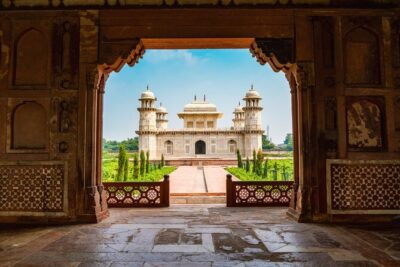
Taj Mahal Tour from Delhi by Express Train (Viator Award Winner)
Read our review →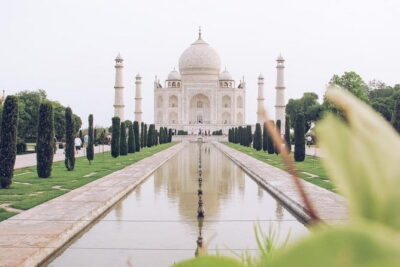
Taj Mahal, Agra Fort, Baby Taj Tour from Delhi by Superfast Train
Read our review →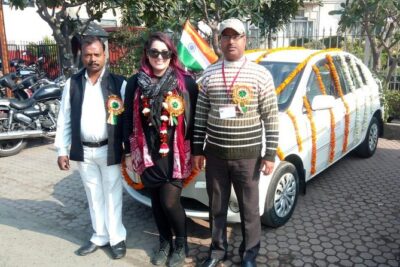
Delhi to Agra and Taj Mahal Private Day Trip by Express Train with Lunch
Read our review →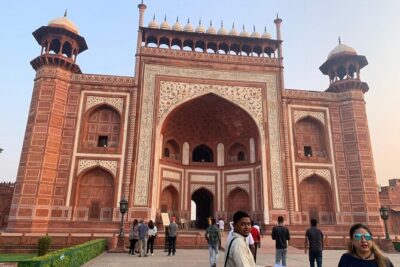
Taj Mahal & Agra Tour by Gatimaan Express Train
Read our review →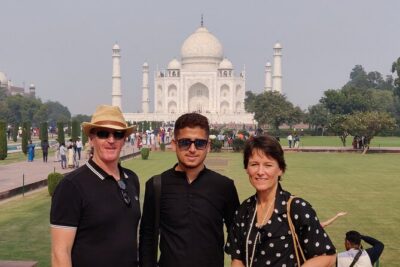
All Inclusive Taj Mahal & Agra Tour by Superfast Train From Delhi
Read our review →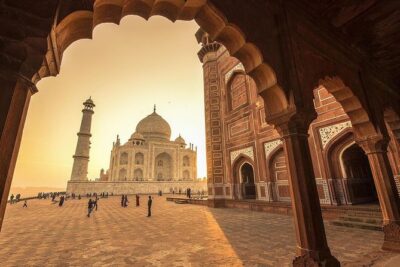
Delhi to Agra Taj Mahal Private Day Trip by Superfast Train
Read our review →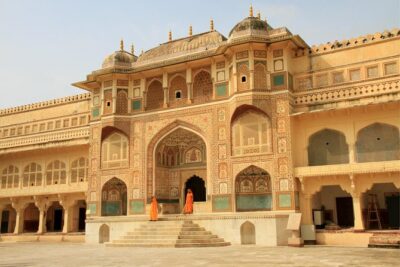
Jaipur Day Trip from Delhi by Car or Train – All Inclusive
Read our review →Browse the lists this tour appears in