
Reviewed · MUMBAI TOURS
Mumbai Bicycle Tour
Mumbai wakes up at your handlebars. This early-morning ride is a smart way to see major landmarks, then slide into side streets where the real city activity starts. I love the cooler morning hours and the way the route connects big history stops with lived-in neighborhood markets, all at a relaxed pace. One thing to consider: Mumbai traffic can feel intense, and even with a guide, you’ll be sharing roads with buses and cars before most visitors arrive.
You’ll start at Cusrow Baug Colony in Colaba around 6:15am, ride with an English-speaking local guide, and finish with breakfast at Madras Cafe. Guides like Raj and Rishi (and other guide duos seen on past departures) are part of what makes the tour click, because they keep the history clear without turning it into a lecture.
In This Review
- Key things to know before you pedal off
- Why this 6:15 am start feels like a cheat code in Colaba
- Getting fitted: bikes, helmets, and the safety rhythm on busy streets
- Gateway of India: the waterfront landmark that sets the tone
- Chhatrapati Shivaji Terminus (CST): commuting energy in a UNESCO-style frame
- Crawford Market: a no-nonsense look at food markets and power
- Bombay Panjrapole: feeding cows and learning why this matters
- Mumba Devi Temple and the marigold flower alley vibe
- Marine Drive: the calm part of South Mumbai you’ll want to linger
- Sassoon Dock: the working waterfront, up close and real
- Breakfast at Madras Cafe: where the morning story wraps up
- Price and value: how $39.14 makes sense for what you get
- Who should book this bike tour, and who might prefer something else
- Practical tips so your morning goes smoothly
- Should you book this Mumbai Bicycle Tour?
- FAQ
- What time does the Mumbai Bicycle Tour start?
- How long is the tour?
- Where do I meet, and where does the tour end?
- What is the maximum group size?
- What’s included in the price?
- Is hotel pickup or drop-off included?
- Are there any entry fees for the listed stops?
- What pace and terrain should I expect?
- What is the minimum age?
- Can I cancel for a full refund?
Key things to know before you pedal off
- 6:15am start time: you beat heat and crowds, and you get calmer streets at the beginning
- A route built around morning city life: commute moments at CST, then markets and docks
- Helmet and bike included: practical value for a short, active tour
- Free stops listed for the major sights: Gateway of India, CST, Crawford Market, and more
- Animal and temple stops: Bombay Panjrapole and Mumba Devi Temple add meaning beyond sightseeing
- Ending with breakfast: you wrap up at Madras Cafe with food and time to compare notes
Why this 6:15 am start feels like a cheat code in Colaba
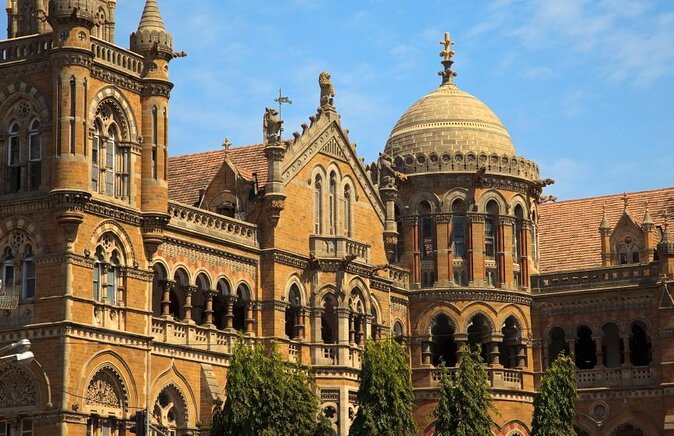
The whole tour is shaped by the start time, 6:15am. That’s not just for comfort. It’s for access. You’ll leave before the day gets heavy, and you’ll see Mumbai in a different mood than the one most people experience later.
You’ll start from Cusrow Baug Colony near Colaba, and you’ll be outfitted with your bicycle and helmet right before you roll. The ride is described as relaxed and mostly flat, and that matters in a city where crossing big roads can be stressful if you do it alone. Here, the guide’s job is to keep the group moving, safely and calmly.
The vibe is early, focused, and surprisingly fun. You’re not stuck in one place. You’re traveling through time, from waterfront landmarks to working markets, all before lunch.
A few more Mumbai days to compare
- Dharavi slum tour in Mumbai by Female tour guides of the slum
★ 5.0 · 1,976 reviews - Mumbai: Full-Day Sightseeing Tour of Mumbai
★ 4.9 · 1,822 reviews - Private Mumbai Sightseeing Tour (Traveller’s Choice Award Winner)
★ 5.0 · 1,565 reviews
Getting fitted: bikes, helmets, and the safety rhythm on busy streets
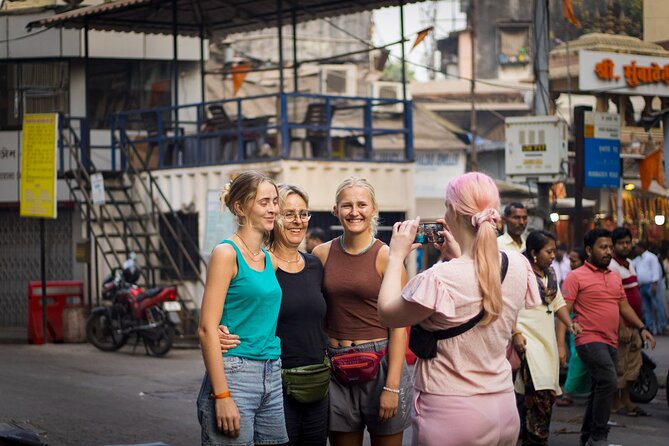
You get a bicycle and a helmet included, plus an English-speaking guide. The bike tour is paced for real people, not athletes. Most of the route is on flat terrain, and the tour is set up so you can cruise rather than fight the road.
That said, Mumbai roads are Mumbai roads. Expect that at some points you’ll be near heavy traffic and big vehicles. The key is the guide’s timing and positioning. In past departures, riders have noted that the guides help you feel safe crossing and moving through tougher stretches.
One practical note from real-world feedback: helmets can be basic, and fit may vary. If you’re picky about comfort, try the helmet on carefully at the start. If it feels loose or mismatched, ask right away. You want it snug before you hit any busy crossings.
Also, don’t expect a high-tech ride. Some riders have reported the bikes are simple and may not have gears. That’s not a deal-breaker because the route is flat, but it’s good to know so you don’t plan on lots of shifting.
Gateway of India: the waterfront landmark that sets the tone
The first stop is the Gateway of India. It’s right on the waterfront of southern Mumbai, with a blend of Hindu and Islamic architectural styles. Built in 1924, it’s been the first big sight many travelers see when arriving by boat.
This is a quick stop, about 5 minutes. Think of it as a visual warm-up. You’ll get your bearings, learn what the structure represents, then get back on the bike. This matters because it prevents the tour from stalling in one place early on.
A small tip: take a moment here to look around the surrounding area before you move on. That helps you understand later stops, especially when you transition from waterfront imagery into the working city energy.
Chhatrapati Shivaji Terminus (CST): commuting energy in a UNESCO-style frame
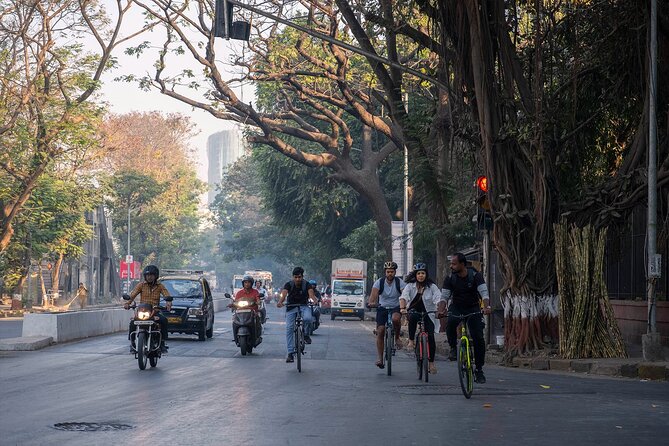
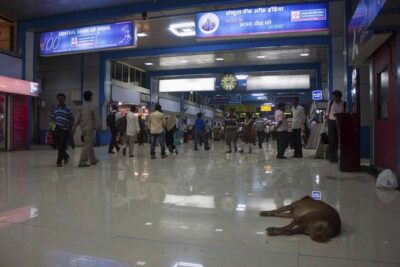
Next up is Chhatrapati Shivaji Terminus, formerly called Victoria Terminus. This is one of India’s most beautiful railway stations and part of the UNESCO World Heritage conversation. It’s also a place you might recognize from the 2008 film Slumdog Millionaire, thanks to its distinctive Victorian Gothic style.
You’ll spend about 10 minutes here, free to enter per the tour plan. The real point, though, isn’t just to photograph the architecture. It’s to witness the morning commute, when thousands of passengers descend into the station as the day starts.
This is one of the tour stops that gives context. Mumbai isn’t only temples and monuments. It’s systems. It’s transit. Seeing CST in action helps the rest of the route make sense.
Another way to spend a day in India:
- Elephanta Caves & Island Guided Private Tour
★ 5.0 · 1,327 reviews - Group Guided Walking Tour in Fort and Colaba
★ 5.0 · 1,073 reviews - Mumbai: Elephanta Caves Half-Day Guided Tour with Expert
★ 4.8 · 1,032 reviews - Highlights of Mumbai Sightseeing Tour: TRAVELLERS CHOICE AWARDED
★ 5.0 · 915 reviews
Crawford Market: a no-nonsense look at food markets and power
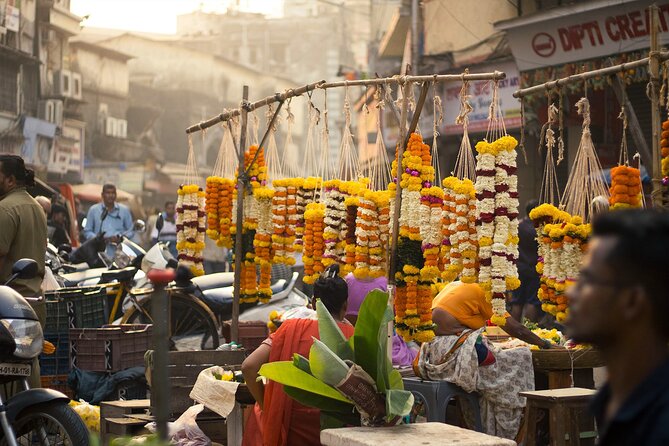
Crawford Market is one of the city’s biggest wholesale fruit, vegetable, and meat markets. You’ll dismount and step inside for about 25 minutes.
The standout detail here is historical and specific: it was the first building in India to get electricity. That kind of fact turns a normal market stop into a story about modernization and how daily life evolved.
If you’re sensitive to strong smells, come prepared. Meat and fish areas can get intense. Give yourself grace and focus on the textures and movement. The market is crowded with purpose, and that energy is part of what you’re paying for.
Also, take time to look at what vendors and shoppers do. This isn’t a staged stop. It’s a working market, and your guide will help you see patterns you’d miss on your own.
Bombay Panjrapole: feeding cows and learning why this matters
After Crawford Market, the route shifts to Bombay Panjrapole, where you’ll visit a local cow shelter. The plan includes about 20 minutes here.
You may have the chance to feed the resident cows, and the tour frames it as a good karma moment. More importantly, you’ll see how the shelter operates within the city’s daily rhythms.
The details are impressive: more than 350 sacred cows and other smaller animals are sheltered in this structure. That scale makes the place feel real, not symbolic. It’s an everyday institution for the city, not just a photo spot.
If you like animal-related cultural stops, this one is a highlight. If you’re not comfortable around close animal contact, still go with an open mind, because the tour format gives you a moment to observe and participate only as you feel ready.
Mumba Devi Temple and the marigold flower alley vibe
Next comes Mumba Devi Temple, which is described as the historical Hindu temple that Mumbai was named after. You’ll have about 20 minutes to break from the bikes and look inside.
Then the route connects through the area decorated with marigold garlands that dress Mumbai’s flower alley. Even though you’re on a tight schedule, it’s a good contrast after the market and cow shelter stops. It shifts the mood from commerce and care to ritual and symbolism.
This section is a nice reminder that Mumbai is layered. The city handles food, animals, worship, and spectacle all in the same morning loop. Your guide’s commentary is key here, because it turns what could feel like a quick photo stop into an understanding of why the temple and the naming story matter.
Marine Drive: the calm part of South Mumbai you’ll want to linger
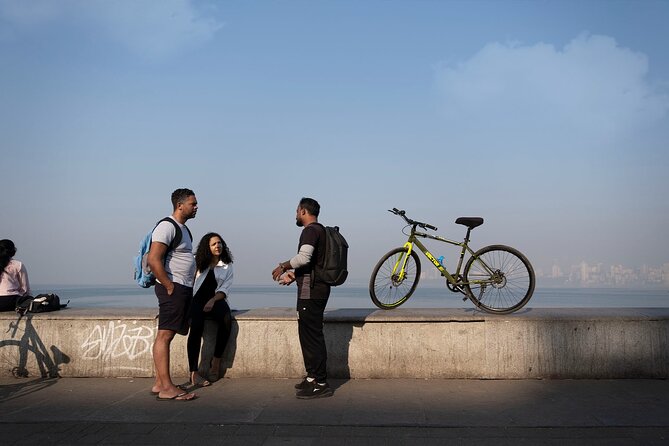
You’ll ride along Marine Drive for about 30 minutes, roughly a 3 km stretch by the Arabian Sea. The promenade is typically packed with friends and couples later in the day, but in the morning it’s open and quiet.
That’s exactly why it’s on this tour. You get the same iconic coastline view, but with space. The ocean air helps reset your brain after markets. It also gives you a smooth, flat riding stretch where you can focus on the feeling of moving through the city.
This is also where your pace becomes part of the experience. You’re not rushing from one point to another. You’re gliding, watching light hit the water, then turning back toward the working side of Mumbai.
Sassoon Dock: the working waterfront, up close and real
The last major cycling stop is Sassoon Dock, with about 20 minutes planned. This is where you experience the chaos of a busy market area tied to fishing.
You’ll see fishermen unloading fish, and you’ll also notice women and children cleaning shrimp. It’s vivid, and it can be confronting if you don’t like strong smells or close handling of fresh seafood.
But that honesty is the point. Tourism often edits out the work. This tour puts you where the work happens, and it’s fascinating to watch the pace of labor and the choreography of unloading and cleaning.
If you’re planning what to wear, consider covering your face a little if odors bother you. Not because it’s unbearable for everyone, but because it’s smart to be prepared. Keep your eyes on movement, not just on specific sights. You’ll get more out of it.
Breakfast at Madras Cafe: where the morning story wraps up
The tour ends back at Colaba Causeway area, at Madras Cafe Aziz Mansion. You’ll enjoy a typical Indian breakfast with your guide and the group. The plan also mentions you’ll recount stories of the day while you eat.
This ending is practical, and it’s part of the value. You’re up early, you’ve been riding and walking, and you’re likely to be hungry. Breakfast here also lets you compare what you noticed and ask questions while everything is still fresh.
If you’re the kind of person who likes to keep a morning slot flexible, this is helpful. After the ride, you’re already in the Colaba area, which is a good base for continuing your day.
Price and value: how $39.14 makes sense for what you get
At about $39.14 per person for roughly 3 hours 45 minutes, the value is mostly in the guided flow. You’re getting:
- a bicycle and helmet
- an English-speaking guide
- breakfast included
- a route that hits major South Mumbai landmarks and working market areas
The free-admission stops listed in the plan help too, because you’re not stacking ticket costs on top of the tour price for each landmark.
Is it expensive or cheap? For Mumbai, it’s a straightforward package that keeps logistics simple. No hotel pickup is included, so you are responsible for getting to Cusrow Baug at the start. But once you’re there, the tour covers the rest of the day’s moving pieces.
If you’re short on time and want a high-return morning, this format works. If you want to wander slowly and deeply into museums or shops with long independent breaks, you might find the pace a bit structured.
Who should book this bike tour, and who might prefer something else
This tour is a great fit if you:
- like active sightseeing without long climbs
- want to see both famous sites and working-city areas
- enjoy guided context, especially for places like CST and the cow shelter
It might not be the best match if you:
- feel uneasy around traffic and road crossings, even with a guide
- strongly dislike strong smells tied to meat and fish markets
- need long, quiet time at each stop
The good news is the route is designed for a relaxed pace on flatter ground. It’s not a punishing ride. You’re here for experience, not endurance.
Practical tips so your morning goes smoothly
- Arrive early to the meeting point near Cusrow Baug Colony in Colaba, especially since finding the meeting spot can be tricky in the dark.
- Dress for early sun and breeze. Layers can help, since mornings can feel cooler than you expect.
- Double-check your helmet fit before you leave, and speak up if it feels wrong.
- Bring an open mind for Crawford Market and Sassoon Dock. They’re powerful, and they can be smelly.
- If you get motion sickness easily, consider how you’ll feel on a moving group bike ride and sit where you’re comfortable.
Should you book this Mumbai Bicycle Tour?
If you want a fast, meaningful way to understand South Mumbai, I’d book it. The early start is the magic trick, and the itinerary connects landmarks, temples, and working markets into one coherent morning. The included bike, helmet, guide, and breakfast make it feel like a complete plan, not just a ride.
The only real reason to skip is if you’re strongly uncomfortable with street-level realities, smells, or traffic. If you can handle that, you’ll get a morning view of Mumbai that most people miss, and you’ll finish with food and stories at Madras Cafe.
FAQ
What time does the Mumbai Bicycle Tour start?
The tour starts at 6:15 am.
How long is the tour?
It lasts about 3 hours 45 minutes.
Where do I meet, and where does the tour end?
You meet at Cusrow Baug Colony, Apollo Bandar, Colaba, Mumbai. The tour ends at Madras Cafe, Aziz Mansion, Shahid Bhagat Singh Rd, Apollo Bandar, Colaba, Mumbai.
What is the maximum group size?
The tour has a maximum of 25 travelers.
What’s included in the price?
Included are the bicycle, helmet, an English-speaking guide, and breakfast.
Is hotel pickup or drop-off included?
No, hotel pickup and drop-off are not included.
Are there any entry fees for the listed stops?
The tour plan lists admission tickets as free for each of the major stops.
What pace and terrain should I expect?
You’ll ride at a relaxed pace over flat terrain.
What is the minimum age?
The minimum age is 7 years.
Can I cancel for a full refund?
Yes. You can cancel up to 24 hours in advance for a full refund. If you cancel less than 24 hours before the start time, the amount paid will not be refunded.
Recently added around Mumbai
- South Mumbai: Cultural Heritage Walking Tour★ 4.8 · 45 reviews
- Mumbai: Local Markets & Temples Tour★ 4.6 · 45 reviews
- South Bombay Live Walking Tour★ 4.9 · 11 reviews
- Mumbai: Same Day Tour of Ajanta & Ellora Cave’s★ 5.0 · 7 reviews
- Private Mumbai Highlights Tour (5 Hours)★ 4.9 · 46 reviews
- Private Dharavi Slum Tour★ 5.0 · 13 reviews
- Night Tour: Mumbai’s Nights & Buzzing Bazaars★ 5.0 · 7 reviews
- Mumbai:Dhobi Ghat Laundry,Dharavi Slum & Flower market Tour★ 5.0 · 12 reviews
Mumbai Tours, compared.
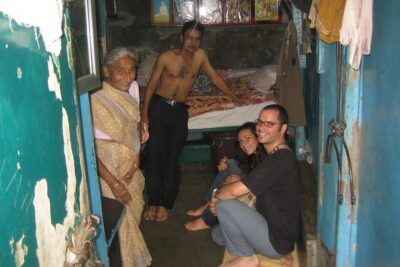
Dharavi slum tour in Mumbai by Female tour guides of the slum
Read our review →
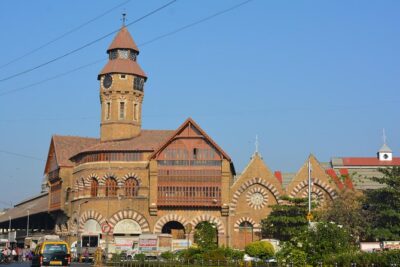
Private Mumbai Sightseeing Tour (Traveller’s Choice Award Winner)
Read our review →
Elephanta Caves Half-Day Guided Tour with Expert
Read our review →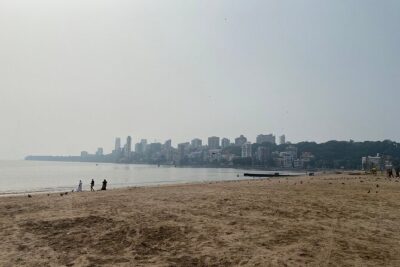
Highlights of Mumbai Sightseeing Tour: TRAVELLERS CHOICE AWARDED
Read our review →
Browse the lists this tour appears in