
Reviewed · COOKING CLASSES
Kitchen is Yours Cooking class in Jaipur with Pickup & Drop
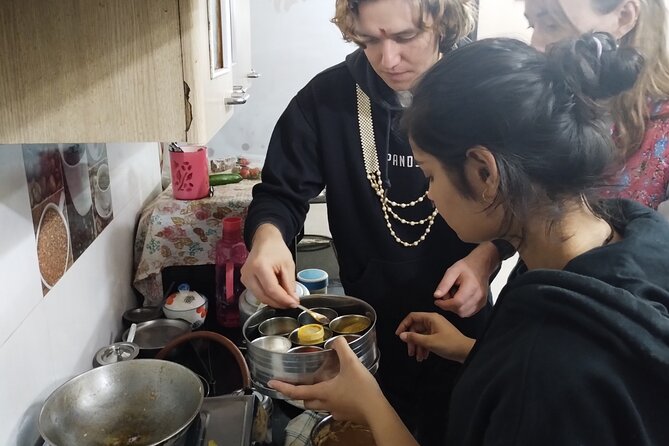
If you’ve ever wanted to cook Indian food at home, this helps. You get a hands-on session inside a real Jaipur kitchen, with pickup and drop, and you leave fed. I especially liked learning classic dishes step by step and having hosts like Rohit and his mum explain what they do. A small consideration: it runs about 3 hours, so if you want deep focus on just one dish, you may feel a bit rushed.
This experience is designed to teach you more than recipes. You’ll start with a traditional drink like chai or lemon water, get a quick introduction to Indian cuisine, then move into cooking favorites such as chapati (roti), seasonal vegetable dishes, dal, paneer sabji, and sweets like kheer and halwa. You’ll also learn how to make masala tea, then sit down and eat what you cooked.
The class is private, max 6 people, and menu items can change with the season. If you have allergy or dietary needs, you must tell the team when booking so they can plan for you. The upside is you’ll get time to ask questions at the end, so you’re not left guessing.
In This Review
- Key things to know before you book
- A Home-Style Kitchen Lesson With Pickup and Drop
- Your Welcome Drink and the Kitchen Intro That Actually Helps
- Cooking Classic Dishes Like Chapati, Dal, Paneer, and Seasonal Veg
- Chapati practice you can take home
- Dal and the art of simmer control
- Paneer sabji and getting the sauce right
- Seasonal vegetable dishes for real variety
- Learning Masala Tea, Then Asking Follow-Up Questions
- Sweet Cooking Time: Kheer and Halwa Basics
- Eating What You Cook: Lunch and Dinner Included
- Private, Small-Group Experience With Hosts Like Rohit and His Mum
- Price and Value for a 3-Hour Private Class in Jaipur
- What to Bring, and How to Book Smoothly
- Should You Book Kitchen is Yours Cooking Class in Jaipur?
- FAQ
- What is the duration of the cooking class?
- Does the price include pickup and drop-off?
- How many people are in a booking?
- What meals and drinks are included?
- What dishes will I learn to cook?
- Do I need to tell them about allergies or dietary needs?
- What if the weather is bad?
Key things to know before you book
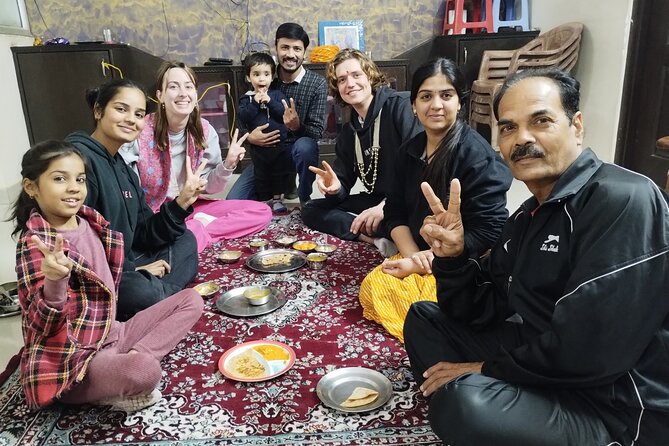
- You cook in a real home kitchen, not a big demo hall.
- Chai and lemon water welcome, right when you arrive.
- A mix of savory and sweets, including chapati, dal, paneer, kheer, and halwa.
- Masala tea coaching, so you can recreate it later.
- Small group, private feel, max 6 people for your booking.
A Home-Style Kitchen Lesson With Pickup and Drop
Jaipur cooking classes can feel either super touristy or oddly vague. This one lands in the sweet spot because you’re welcomed into a home and taught in an everyday setting. That matters, because the best cooking tips usually come from how people actually work in their kitchens.
I also like the practicality of pickup and drop-off. You do not have to negotiate rides right before dinner time, and it makes the experience easier to fit into a day of sightseeing. Plus, the class uses a mobile ticket, which is a small thing that still helps.
One more detail that affects your comfort level: the group is limited to a maximum of 6. That means you’re more likely to get hands-on help instead of watching someone else cook while you stand nearby.
More Cooking Classes in Jaipur
- Pink City Cooking Class
★ 5.0 · 452 reviews - Jaipur Market Tour & Vegetarian Rajasthani Home Cooking Class
★ 5.0 · 113 reviews - Cooking Class in Jaipur – Family Experience with Meal & Transport
★ 5.0 · 101 reviews
Your Welcome Drink and the Kitchen Intro That Actually Helps
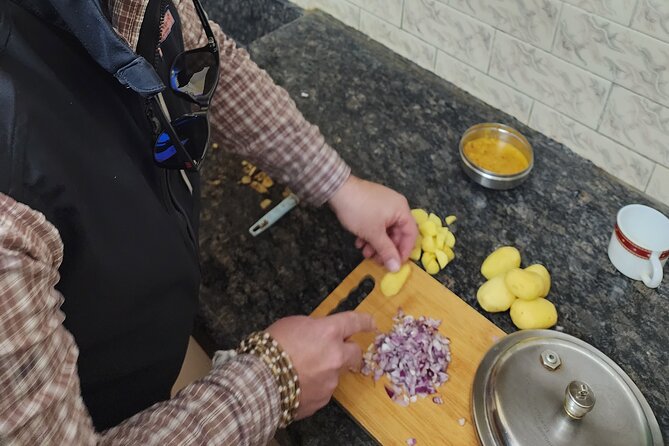
Your session starts with a warm arrival, usually with a traditional drink such as chai or lemon water. This is more than a nice touch, because it sets the pace and makes the kitchen feel like a place you can relax in, not a classroom you must perform in.
Then you get introduced to Indian cuisine and the types of dishes you’ll see. That’s useful for two reasons. First, it helps you understand what you’re cooking beyond memorizing steps. Second, it gives you context for spice blends, textures, and how savory and sweet flavors show up in Indian cooking.
If you’ve ever tried to copy Indian food at home and wondered why it tastes different, this type of kitchen briefing helps you notice the system behind the food. The techniques matter as much as the ingredients.
Cooking Classic Dishes Like Chapati, Dal, Paneer, and Seasonal Veg
This is a hands-on class, and you’ll be taught how to make a set of classic Indian dishes. Based on the class menu, you can expect lessons that include chapati (roti), seasonal vegetable dishes, dal (lentils), and paneer sabji (cottage cheese cooked with a spiced sauce). It may also include other items like dal & baati depending on what’s on the menu.
Here’s why that mix is smart for value. Chapati gives you the dough and heat control. Dal teaches you the simmering and thickness you want from lentils. Paneer sabji teaches you how sauce and cheese work together without turning rubbery or flat. Seasonal vegetables help you learn how to treat different ingredients without cooking everything the same way.
Also, the menu can vary by season. That’s actually a plus, because seasonal produce usually tastes better. Just note that it means you might not see the exact same dish lineup on every day.
Chapati practice you can take home
Chapati is one of those foods that looks simple until you try it. You’ll learn the basics of working the dough and cooking it on the pan until it puffs and turns properly. Even if you don’t get perfect results the first try, you’ll leave with a working mental model for what to adjust.
Another way to spend a day in India:
- Jaipur: Private Full Day Sightseeing Tour By Car with Guide
★ 4.9 · 1,839 reviews - 3-Hour Morning Bike Tour of Jaipur
★ 5.0 · 1,253 reviews - Jaipur: Private Full-Day Sightseeing Tour by Tuk-Tuk
★ 4.8 · 573 reviews - Jaipur: Full-Day City Tour with Car, Guide & Skip-the-Line
★ 4.8 · 512 reviews
Dal and the art of simmer control
Dal is where many home cooks get stuck, usually because it ends up too thin, too thick, or under-seasoned. In this class, you’re taught to make it in a way that matches Indian-style texture and flavor. You’ll also see how seasoning and spice timing affects the final taste.
Paneer sabji and getting the sauce right
Paneer can go wrong fast if you treat it like meat or if the sauce is too aggressive. You’ll learn the approach used for paneer sabji, which tends to focus on balanced spice and a sauce you can spoon over the paneer.
Seasonal vegetable dishes for real variety
Vegetable dishes are often where you can expand your home cooking quickly. By learning seasonal vegetable preparations, you can swap in what’s available to you and still end up with an Indian-style outcome.
Learning Masala Tea, Then Asking Follow-Up Questions
You’ll also learn how to make masala tea. That’s a great add-on because masala tea is one of the easiest Indian flavors to recreate at home. You’ll get practice with how the tea is flavored and balanced, not just a vague list of ingredients.
After the cooking, you can ask questions about masala and how to make food more tasty. This is where home classes win. When you can ask, you can fix the exact problem you’re thinking about, like how to adjust spice strength or how to tweak flavors for your taste.
If you care about cooking with confidence, this is the part you should pay attention to. Do not be shy with questions. Ask what spices do for flavor. Ask what makes the food taste right in their kitchen.
Sweet Cooking Time: Kheer and Halwa Basics
Sweets are included, and that’s a big deal for learning. You’ll be taught to make kheer, which is rice pudding, and halwa, which is typically semolina pudding. Both teach you different sides of Indian cooking, from gentle simmering to getting the right thick, comforting texture.
Kheer usually teaches patience and consistency. You learn how to control the simmer and keep the texture smooth. Halwa teaches how dry ingredients transform when cooked properly, and how to reach the right thickness without turning it grainy or too heavy.
What I like about including sweets is that it rounds out the class. You get to taste the full range of Indian flavor, not only savory dishes.
Eating What You Cook: Lunch and Dinner Included
The best part of a cooking class is not the cooking. It’s what happens afterward when you eat it. Here, meals are included, and the experience includes lunch and dinner.
You’ll eat the delicious food you made. That matters because you’ll finally understand what the instructor was aiming for with flavor, texture, and balance. If you enjoyed the results, you can connect your own cooking choices to the taste.
This is also a practical point. Food costs add up in Jaipur, and this class bundles meals into the experience price. So you’re not paying extra just to keep your day going.
Private, Small-Group Experience With Hosts Like Rohit and His Mum
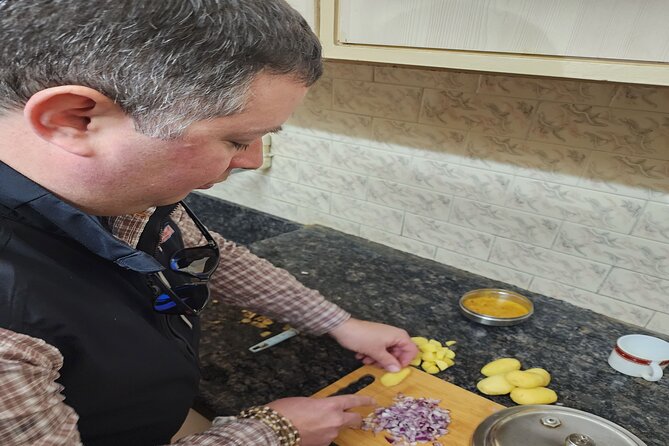
One standout detail from the best parts of this experience is the way you’re hosted. The session is run by the cook and their family setup, and Rohit and his mum are named as hosts in an excellent full review. That kind of personal hosting changes everything, because it feels like you’re being taught by people who actually cook daily.
Small group size also helps. With a maximum of 6 people, you’re more likely to get direct help when you’re kneading dough, stirring dal, or figuring out how to time the pan.
If you like conversations that connect food to culture, this is a good fit. You’ll learn about Indian cuisine types during the class briefing, and you can ask more questions once you’re done cooking.
Price and Value for a 3-Hour Private Class in Jaipur
At $31.77 per person, this class can feel like a steal once you break down what’s included. You get transportation for pickup and drop-off, a cooking class, and meals, including lunch and dinner, plus coffee and/or tea. There are also all fees and taxes included, so you can plan your budget without surprises.
The value gets even better because it’s private, not a large shared group. Private often means better attention, and max 6 people is still intimate enough to stay active at the stove.
A note on timing: it’s about 3 hours. If you’re traveling with a packed schedule, this is still workable, but you should plan to be hungry and ready to cook.
What to Bring, and How to Book Smoothly
You don’t need fancy gear, but you do want to be comfortable. Wear clothes you can move in, because you’ll likely do a mix of prep and cooking tasks in a home-style kitchen.
When booking, tell them about allergies, dietary restrictions, or cooking preferences. The menu may vary depending on the season, so any restrictions should be communicated early so they can adjust.
Also, this class runs daily within hours of 10:00 AM to 7:00 PM. That gives you flexibility to pick a time that fits your Jaipur plans. Just keep in mind it requires good weather, which can matter if your pickup route or schedule is impacted.
Should You Book Kitchen is Yours Cooking Class in Jaipur?
Book it if you want a hands-on cooking session in a real home kitchen, with pickup and drop-off, and you’d like to learn a mix of classics plus masala tea. I think it’s especially worth it if you’re the type who learns best by doing, not just watching.
Skip it or consider alternatives if you only want one dish in depth. Because the class runs about 3 hours and includes multiple dishes, you may not get ultra-focused instruction on a single recipe.
If you’re visiting Jaipur and want something that feels local, practical, and actually useful for your next dinner at home, this is a strong choice. It ends with you eating what you cooked, which is the best proof that the lessons stick.
FAQ
What is the duration of the cooking class?
The class lasts about 3 hours.
Does the price include pickup and drop-off?
Yes, transport for pickup and drop-off is included.
How many people are in a booking?
It is limited to a maximum of 6 travelers, and it is a private tour for your group only.
What meals and drinks are included?
Lunch and dinner are included, and coffee and/or tea are included as well.
What dishes will I learn to cook?
You’ll be taught dishes such as chapati (roti), seasonal vegetable dishes, dal, paneer sabji, kheer, halwa, and also masala tea. Dal & baati may be part of what’s taught, and the menu can vary by season.
Do I need to tell them about allergies or dietary needs?
Yes. If you have any allergies, dietary restrictions, or cooking preferences, advise them at the time of booking.
What if the weather is bad?
The experience requires good weather. If it gets canceled due to poor weather, you’ll be offered a different date or a full refund.
Recently added around Jaipur
- golden triangle tour with ranthambore by Car★ 5.0 · 7 reviews
- Jaipur Private Tour 2 Days with Car & Guide★ 5.0 · 13 reviews
- Wheel Pottery Workshop★ 4.5 · 19 reviews
- Jaipur Full-Day Guided Tour by Car★ 5.0 · 14 reviews
- Walking Tour of Pink City (World Heritage Site) with Local Guide★ 5.0 · 7 reviews
- Yoga in Jaipur with Amit (Yogi on Travel)★ 5.0 · 17 reviews
- Uncover Hidden Treasures of Rural Life on a Village Tour★ 5.0 · 34 reviews
- Private 4-Day Wildlife & Taj Mahal Tour from Jaipur to Delhi★ 5.0 · 23 reviews
Cooking Classes, compared.


Veg and Non veg : Private Cooking Class in Delhi home (7 meal)
Read our review →
Indian Cooking Class in an Authentic Local Home – Learn 6 Dishes
Read our review →
Jaipur Market Tour & Vegetarian Rajasthani Home Cooking Class
Read our review →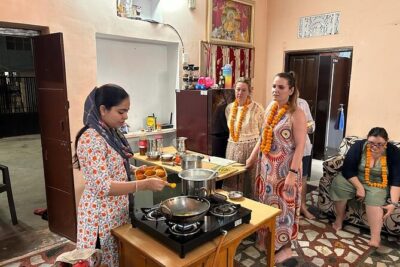
Cooking Class in Jaipur – Family Experience with Meal & Transport
Read our review →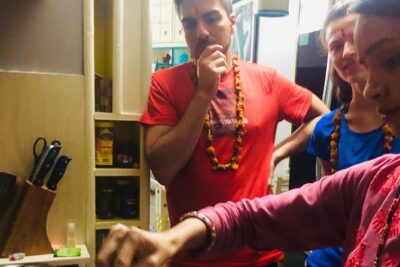
Interactive Cooking Class with a Local Family in Jaipur
Read our review →Browse the lists this tour appears in