
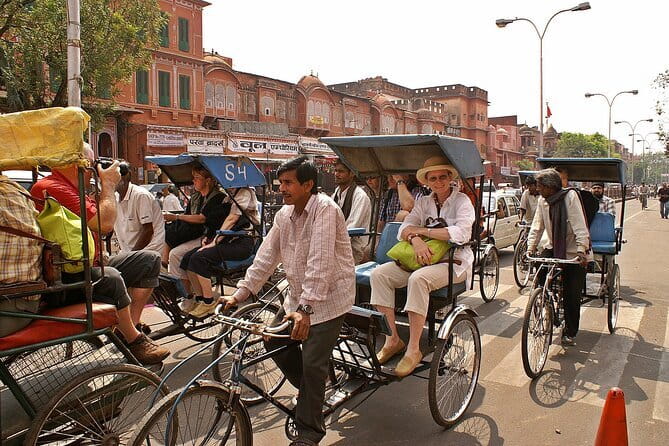
Reviewed · MARKETS
Jaipur Heritage and Old Market Shopping Tour
Jaipur’s markets and viewpoints in one tight loop. This tour blends key sights around the Pink City with shop-stroll time in the old bazaars, then adds short artisan demos, including blue pottery and traditional crafts. The vibe is practical, not just sightseeing.
I especially like the private-vehicle pickup and drop-off, which makes a 5-hour day feel efficient in Jaipur traffic. I also love the craft stop format: you get brief, focused 10 to 15 minute demos where you can see how things are made, not just how they are sold, with an emphasis on women artisans and traditional know-how.
One thing to consider: a lot of monuments are viewed from the outside, and some sights have entry tickets not included, like Isarlat (Tower) and Albert Hall Museum. If you want to go inside those, you will likely need extra time and budget.
In This Review
- Key Highlights You’ll Feel During This Tour
- Jaipur Old Markets, Craft Demos, and the Pink City in 5 Hours
- Chandpole Bazaar and Khazane Walon Ka Rasta: Where Shopping Feels Like Street Culture
- Maniharo Ka Rasta Jewelry Lanes and Isarlat Tower Panoramas
- Tripolia Bazar and Hawa Mahal: Royal Jaipur Between Quick Stops
- Albert Hall Museum Exterior and How to Decide on Entry
- Johari Bazaar for Bandhni, Block Prints, Silver, and Spices
- Jaipur Blue Pottery Art Centre: The 10 to 15 Minute Demo That Improves Your Buying
- Satguru’s Textile World: Block Printing, Carpets, and Women-Made Craft Work
- Price and Logistics for a $16 Half-Day Circuit in Jaipur
- Who This Tour Fits Best, and What to Watch For
- Should You Book This Jaipur Heritage and Old Market Shopping Tour?
- FAQ
- How long is the Jaipur Heritage and Old Market Shopping Tour?
- Is hotel pickup and drop-off included?
- Is the tour private?
- Do I get a mobile ticket?
- Which stops have admission tickets included, and which do not?
- Is food included in the tour price?
- What’s included besides the guide and transport?
- Do you visit Jaipur landmarks or just markets?
- How much time do you spend at each stop?
Key Highlights You’ll Feel During This Tour

- Old market shopping with craft context at places like Chandpole, Johari, and the jewelry lanes
- Short demo classes (block printing, blue pottery, and jewelry making) that are easy to fit into a half day
- Outside-view heritage stops paired with enough walking to feel the city’s street life
- A guide who tailors the route toward a more local shopping experience, including safer, more comfortable pacing
- Women-led craft work themes that connect what you buy to how it is made
Jaipur Old Markets, Craft Demos, and the Pink City in 5 Hours
This is a half-day Jaipur plan built around a simple idea: shopping and culture go together when you see the craft process. You’ll start in the old market area and move through heritage landmarks that shape Jaipur’s look, then finish with hands-on craft demos tied to what you’ve been seeing in the bazaars.
What makes this kind of tour worth your time is the rhythm. You get market browsing time, not just a hurried pass. Then you get quick training-style demos, so you understand why a pattern, glaze, or metalwork detail costs what it costs, and how to judge quality while you’re shopping.
The tour is designed for comfort too. You’ll have pickup and drop-off from your hotel, plus a private vehicle and a friendly local expert driver, along with bottled water. For a budget price point, that logistics piece matters more than people expect, because Jaipur can be slow to cross on your own.
More History Tours in Jaipur
- Heritage Walk & Street Food Tasting in Jaipur
★ 5.0 · 158 reviews - Jaipur Heritage Walk with Rickshaw Ride
★ 5.0 · 105 reviews - Jaipur Heritage Evening Walk – The Twilight Magic of Pink City
★ 5.0 · 93 reviews
Chandpole Bazaar and Khazane Walon Ka Rasta: Where Shopping Feels Like Street Culture
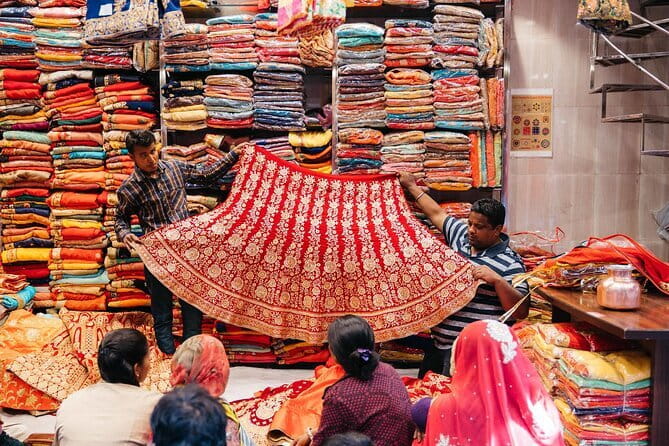
Chandpole Bazaar is one of those Jaipur markets that works even if you don’t have a strict shopping list. Expect a crowded, colorful mix of traditional goods, including textiles, jewelry, brassware, and pottery. You can move at your own pace, but you also get the benefit of knowing where to look first.
Chandpole is also a great place to practice the fundamentals of smart shopping. Look for consistency in fabric patterns, check how bangles or jewelry pieces are finished, and compare similar items in different stalls nearby before you commit. When you do that, you stop paying for urgency and start paying for quality.
Right near Chandpole, Khazane Walon ka Rasta adds a specialty angle: marble decor items and intricate marble work. Even if you’re not buying marble, it’s worth the look because it shows Rajasthan’s craft diversity beyond textiles and jewelry. The better tour guides help you spot what’s actually carved versus what’s just decorated, and that makes a difference when you’re shopping.
Maniharo Ka Rasta Jewelry Lanes and Isarlat Tower Panoramas
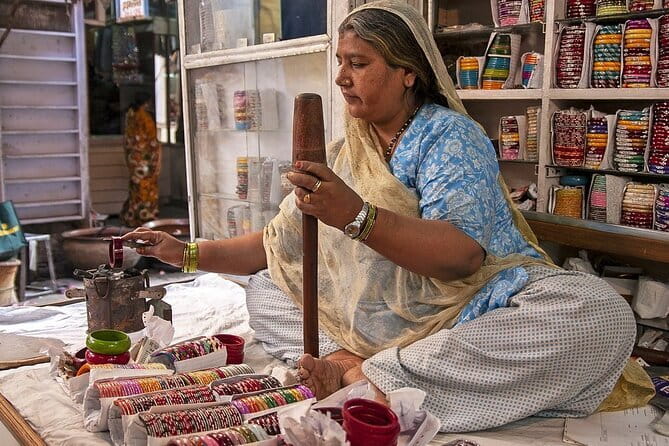
After the general craft lanes, Maniharo Ka Rasta shifts into jewelry mode. This is where you’ll see traditional Rajasthani bangles and silver ornaments, often with detailed craftsmanship that looks best up close. If you’re shopping for wearable souvenirs, this is the stop where you can focus your attention, because the market is already organized around jewelry.
Here’s how I’d use this stop: decide what you want first, then let the guide help you navigate. If you’re after bangles, compare sizes and the feel of the metal. If you’re after ornaments, check details like edges and clasps. Jaipur jewelry varies a lot in style, and quick guidance saves you from getting pulled into random prices.
Then you’ll head to Isarlat (Tower), an 18th-century victory memorial built by Maharaja Jai Singh II. This is a good photo pause and a calmer moment compared to the market streets. Just remember, entry is not included here. If you want the best views and don’t mind paying the ticket, it’s a nice payoff.
Tripolia Bazar and Hawa Mahal: Royal Jaipur Between Quick Stops
Tripolia Bazar brings you toward royal mausoleum history near Tripolia Gate. The structure here is tied to the final resting places of royal family members, with an emphasis on intricate carving work. You’re not just walking past a monument. You’re stepping into a place that helps you understand why Jaipur’s architecture is so patterned and ornate.
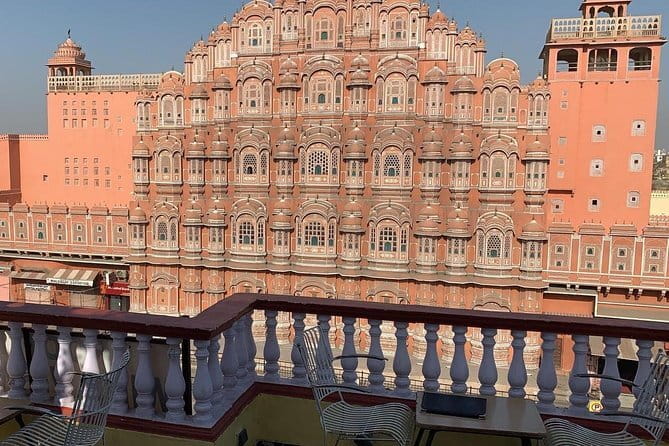
Then the tour moves to one of Jaipur’s most iconic looks: Hawa Mahal, the Palace of Winds. You’ll see the famous honeycomb-like façade with its hundreds of small windows built so royal women could observe street activity discreetly. Even if you’ve seen photos before, standing close helps you appreciate the scale and how the façade shapes the street view.
A practical tip: Hawa Mahal is busy. Wear comfortable shoes, and treat this as a quick landmark moment where you grab photos, then step aside to breathe and reset. If you want a slower experience, do that after the tour stop, because this itinerary is built for shopping plus multiple heritage points.
More Market Tours in Jaipur
- Jaipur Bazaar & Food Walking Tour
★ 5.0 · 281 reviews - Full Day Old City Private Tour with Local Market visit in Jaipur
★ 5.0 · 151 reviews - Jaipur Tuk-Tuk Tour with Flower Market Visit
★ 5.0 · 124 reviews - Jaipur Tour by Tuk-Tuk or Car with Flower Market
★ 5.0 · 120 reviews
Albert Hall Museum Exterior and How to Decide on Entry
You’ll also spend time at Albert Hall Museum, a major Indo-Saracenic building designed in 1876 and originally planned as a concert hall. Today it’s known for a collection of art, artifacts, sculptures, textiles, and coins, which makes it a strong companion to the markets you’ve been walking through.
But here’s the key planning point: monuments are largely viewed from the outside, and Albert Hall Museum entry is listed as not included. So you should think of this as a stop to get the architecture and the context, then decide if you want to add a museum ticket on your own.
If museum time is high on your priority list, you might want to set aside extra time outside the tour for it. If not, you’ll still leave with a clearer sense of how craft, textiles, and objects fit into Jaipur’s bigger cultural story.
Johari Bazaar for Bandhni, Block Prints, Silver, and Spices

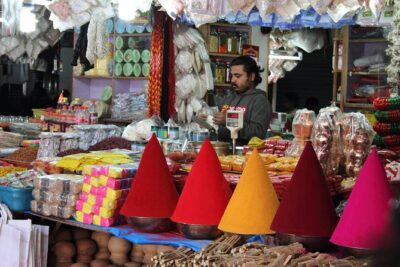
Once you’ve seen the craft lanes earlier, Johri Bazaar is where the shopping energy ramps back up with variety. This is a well-known Jaipur market for Rajasthani handicrafts, including textiles, jewelry, pottery, spices, and leather goods.
What makes Johari Bazaar especially useful during this specific tour is the match between what you see and what you later learn in the craft demos. You’ll likely spot textiles and patterns that connect to classic techniques. In particular, watch for bandhni (tie-dye style patterns), block prints, and silver jewelry. If you want to buy something, this is often the moment when it clicks what makes a pattern look right.
For spices and teas, go in with two ideas. First, treat smells as a sampling guide, not proof of quality. Second, check packaging and how things are stored. Jaipur market goods vary widely, and the goal is to leave with purchases you can actually use at home, not just souvenirs that look good in a bag.
Jaipur Blue Pottery Art Centre: The 10 to 15 Minute Demo That Improves Your Buying
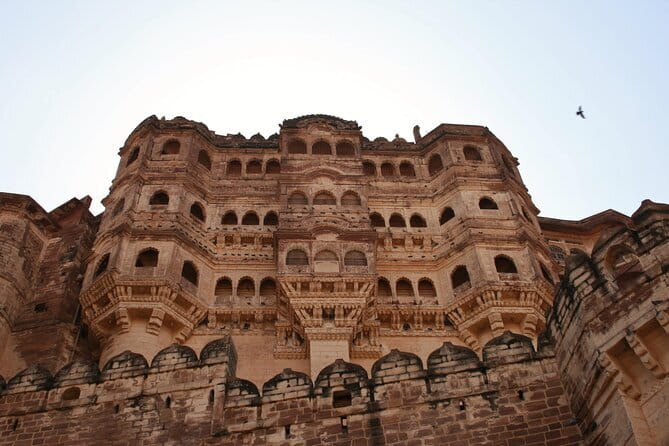
This is one of the best parts of the day because it translates a visual style into a process you can recognize. At the Jaipur Blue Pottery Art Centre, you’ll watch a demo for about 10 to 15 minutes. You’ll see how artisans create the distinctive blue hues and patterns, then understand why “blue pottery” is not just one product but a whole decorative vocabulary.
Even if you’re not shopping for pottery, this demo is useful. It gives you the ability to spot differences in finishing, pattern alignment, and how consistent the colors look. That’s exactly what you want when you’re in the market soon after or when you’re deciding whether a souvenir is worth the price.
Also, this stops the usual shopping problem. Without a demo, you might buy based on appearance only. With a demo, you start asking better questions about craftwork and quality, and you’ll feel more confident negotiating or comparing items.
Satguru’s Textile World: Block Printing, Carpets, and Women-Made Craft Work
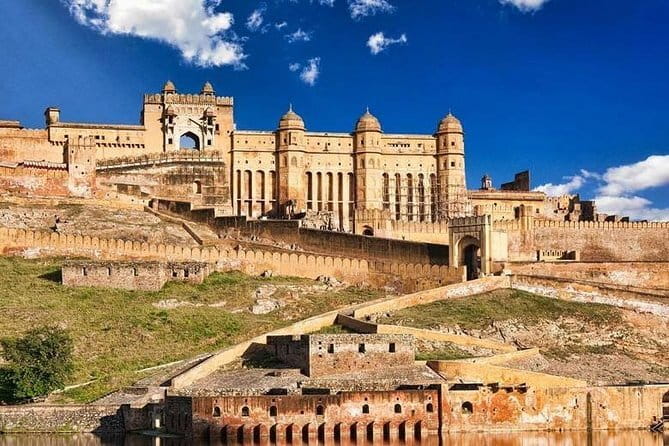
Next up is Satguru’s the Textile World, which shifts the focus from pottery to textiles and floor-covering crafts. You’ll visit a textile workshop where you can see how women and artisans craft carpets and rugs. Then you get a block-printing experience, where patterns are made by hand on fabric.
This is not just a background stop. If you’re shopping for textiles, it helps you understand how labor and technique show up in the end result. Block printing, for example, is all about crisp edges and consistent impression. When you know what to look for, you can spot when something is mass-produced versus carefully made.
The tour also frames this part as a women-led craft setting. That matters in a practical way. When you can connect what you’re buying to who is producing it, you’re more likely to make purchases you actually respect and use. It also makes the day feel less like a shopping mission and more like cultural learning.
Price and Logistics for a $16 Half-Day Circuit in Jaipur
For around $16, this itinerary is a strong value if you want three things in one day: old market browsing, heritage landmarks, and craft demos. A cheap tour can still feel expensive if it wastes time. This one avoids that with pickup, private transport, and planned stops.
The tour includes:
- Hotel pickup and drop-off
- Private vehicle and local expert driver
- Bottled water
- Market time plus heritage viewing from the outside
- Craft demo stops and included admissions where listed as free
What’s not included is mostly what you’d expect: food and personal expenses. And that’s fine. Jaipur food is part of the experience, and you’ll likely prefer choosing meals based on your own tastes.
One more practical note: some specific monument admissions are not included, like Isarlat (Tower) and Albert Hall Museum. That doesn’t make the tour bad. It just means you should decide ahead of time whether you want to pay for entry to those spaces or keep them as exterior photo and architecture stops.
Who This Tour Fits Best, and What to Watch For
This works best if you:
- Want a guided path through multiple markets without getting lost in Jaipur’s traffic patterns
- Like shopping, but also want to learn enough craft context to shop smarter
- Enjoy seeing how items are made, especially at blue pottery and block-printing stops
- Prefer a safe, comfortable pace supported by a driver and a group route
In the feedback, one of the standout themes is how the guide, often Rauf Khan, helps guests feel safe and comfortable. People also mention that he can tailor the market experience to what they want, steering you toward a more local feel rather than only tourist-focused stalls. That matters because Jaipur shopping can be hit or miss if your route is fixed and you only see the easy-to-sell items.
What to watch for:
- This is a craft-and-shopping tour, not a museum-only day. If you want long indoor visits, you may need extra time.
- If you’re sensitive to crowding, plan your market browsing calmly. Markets are crowded by nature, and the tour keeps moving to cover multiple areas.
Also, pack for heat and walking. Even when you’re in short 30-minute windows, you’ll still be on your feet through lanes and near landmarks.
Should You Book This Jaipur Heritage and Old Market Shopping Tour?
I’d book it if you want your Jaipur time to feel grounded in everyday craftsmanship, with enough heritage stops to understand the city’s style. The price-to-time ratio is hard to beat, especially with hotel pickup, private transport, and craft demos that help you shop with better eyes.
I would hesitate if your top goal is museum interiors, because Isarlat Tower and Albert Hall Museum entry is not included, and the itinerary is built around exterior views and market pace. It’s also best if you’re comfortable choosing food separately, since meals are not included.
If you’re aiming for a smart first half-day in Jaipur, this tour is a solid way to get oriented fast, pick up gifts you actually understand, and see the city’s craft culture in action. If you like the idea of markets plus short demos, you’ll likely find it a very efficient use of time.
FAQ
How long is the Jaipur Heritage and Old Market Shopping Tour?
The duration is about 5 hours.
Is hotel pickup and drop-off included?
Yes. Pickup and drop-off from your hotel are included.
Is the tour private?
Yes. It is a private tour, meaning only your group participates.
Do I get a mobile ticket?
Yes. The tour includes a mobile ticket.
Which stops have admission tickets included, and which do not?
Admission is listed as free for Chandpole Bazar, Khazane Walon ka Rasta, Maniharo Ka Rasta, Tripolia Bazar, Johri Bazaar, Hawa Mahal, Jaipur Blue Pottery Art Centre, and Satguru’s the Textile World. Admission ticket is not included for Isarlat (Tower) and Albert Hall Museum.
Is food included in the tour price?
No. Food and drinks are not included.
What’s included besides the guide and transport?
Bottled water is included, along with viewing monuments from the outside and time at markets and artisan demo stops.
Do you visit Jaipur landmarks or just markets?
You visit both. The tour includes heritage landmark stops such as Hawa Mahal and Isarlat (Tower), plus Albert Hall Museum, with monuments viewed from the outside.
How much time do you spend at each stop?
Most stops are scheduled for about 30 minutes, and the craft demos are short, around 10 to 15 minutes.
More Historical Tours in Jaipur
- Nahargarh Water Walk – Guided 2-Hour Heritage Tour in Jaipur
★ 5.0 · 89 reviews - Jaipur Heritage Walking Tour – Local life, Havelis and Temples
★ 5.0 · 72 reviews - Unlock Hidden Amber! – Guided 2-Hour Heritage Tour in Jaipur
★ 5.0 · 62 reviews - Jaipur: History Street Food Tour with Local Guide
★ 4.4 · 50 reviews
More Shopping Tours in Jaipur
- Private Shopping Tour in Jaipur
★ 5.0 · 135 reviews - Jaipur: Half-Day Guided Sightseeing Tour with Flower Market
★ 4.9 · 119 reviews - Jaipur Market Tour & Vegetarian Rajasthani Home Cooking Class
★ 5.0 · 113 reviews - Jaipur: Half or Full Day Sightseeing Tour with Flower Market
★ 5.0 · 94 reviews
Recently added around Jaipur
- Jaipur Pink City Tour by Car or Tuk-Tuk★ 5.0 · 38 reviews
- Cycle Through Jaipur’s Charm – Cuisine|Heritage|Temple(Awarded)★ 5.0 · 6 reviews
- Explore Jaipur at Night with Patrika Gate★ 5.0 · 10 reviews
- Jaipur Nahargarh Fort Sunrise or Sunset Tour with Flower Market★ 5.0 · 9 reviews
- Jaipur Horse Riding Adventure★ 5.0 · 7 reviews
- Jaipur: Private Day Trip by Tuk-Tuk & Guide with Pick-Up & Drop★ 5.0 · 8 reviews
- Guide Service★ 5.0 · 24 reviews
- Private Jaipur Half-Day: Amber Fort, Stepwell, Jal Mahal & Gaitor★ 5.0 · 14 reviews
Markets, compared.

Delhi Food Walk: Rickshaw Ride, Street Eats & Market Tour
Read our review →
Private Heritage Walking Tour in Jaisalmer Fort and Old Bazaar
Read our review →
Old Delhi Food-Spice Market-Temples Tour Soon Featured on NETFLIX
Read our review →Old Delhi Odyssey: A Tour of Religion, Spice Market, & Best Food
Read our review →
Bengaluru Pete City Market Half-Day Walking Tour
Read our review →
Experience Bangalore – City Tour, Authentic Food & market (Food/Culture/History)
Read our review →Browse the lists this tour appears in