
Reviewed · COOKING CLASSES
Jaipur: Cooking Class with a Local Family
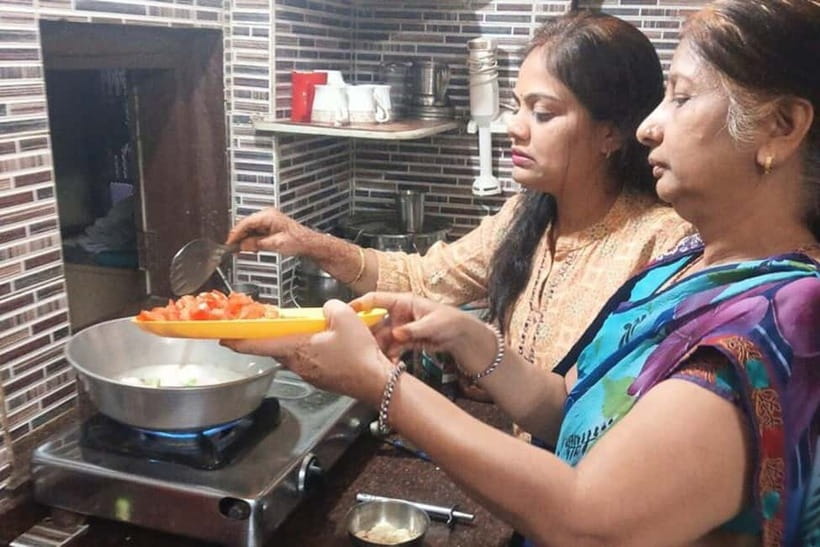
A Jaipur home kitchen teaches you fast. This 3-hour class in the Pink City pairs real cooking with real conversation, using Rajasthan ingredients and techniques from one local family.
I love that you can shape the menu and get practical, step-by-step instruction, not just watch-and-hope. I also love the spice-and-ingredient stories, where the point of each flavor (not just the recipe) gets explained in plain terms.
One thing to plan for: transportation is not included, and the meeting point is in the Johari Bazar area, so you’ll want a clear navigation plan before you head out.
In This Review
- Key things you’ll notice right away
- Cooking in a Jaipur Home, not a Demo Kitchen
- The 3-Hour Flow: Chai First, Then Cooking by Hand
- Choosing Your Dishes: From Dal Baati Churma to Ker Sangri
- Chapatis and Vegetable Curries: The Skills You’ll Reuse
- The Spice Lesson: Understanding the Purpose, Not Just the Powder
- Sitting Down to Eat: Meal, Family Chat, and Dessert
- Recipes Sent After Class: How to Make This Stick
- Price and Value: $19 for a Real Skill Lesson
- Logistics That Matter: Location, Transport, and Timing
- Who Should Book This Jaipur Cooking Class?
- Should You Book It?
- FAQ
- How long is the cooking class?
- What does the class cost?
- Where is the meeting point?
- What dishes will I learn to cook?
- Is welcome drink and dessert included?
- Are recipes included, and how do I get them?
- Do I need to bring my own cooking equipment?
- Is transportation to and from the activity included?
Key things you’ll notice right away
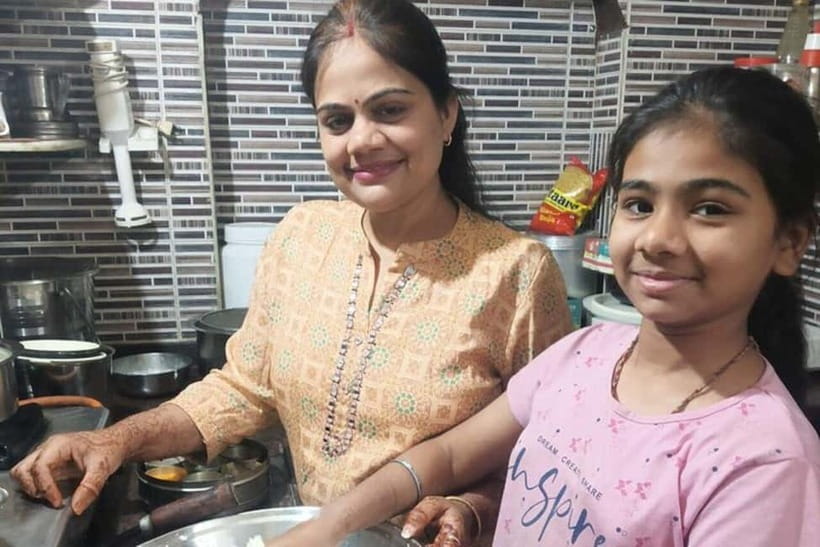
- Small group of up to 6 in a real Jaipur home, with the whole family pitching in
- You choose what you want to learn, with flexibility for tastes and dietary needs
- Spices explained with purpose, so you understand how flavors are built
- Hands-on cooking with chapatis and vegetable curries, plus Rajasthan-style dishes like dal baati churma and ker sangri
- Recipes sent afterward (e-recipes, often shared via WhatsApp), so you can cook again at home
- Chai and dessert included, so you get a full food experience, not a half-class
Cooking in a Jaipur Home, not a Demo Kitchen
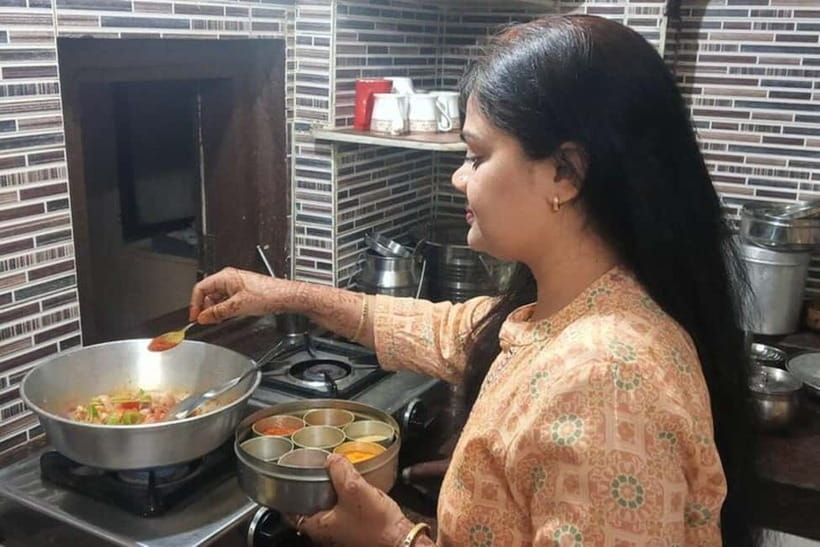
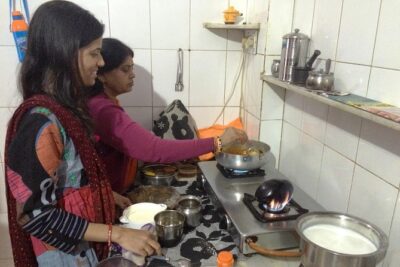
This is the kind of Jaipur activity that feels less like a tour and more like being welcomed for a meal and a lesson. You meet at a local address near Johari Bazar, then step into the kitchen where Swati and her family cook day to day. The class runs for 3 hours, and because it’s capped at 6 participants, you get room to ask questions and try things yourself.
What makes it special is that it isn’t built around a performance. It’s built around hospitality: welcome drinks, a spice intro, hands-on cooking, then sitting down to enjoy what you made. In Rajasthan, food is deeply tied to ingredients, season, and routine, so the class keeps circling back to why things are done a certain way.
The best fit is the traveler who wants more than a list of dishes. If you care about how flavors are put together, and you like learning in a human setting, this works well.
More Cooking Classes in Jaipur
- Pink City Cooking Class
★ 5.0 · 452 reviews - Jaipur Market Tour & Vegetarian Rajasthani Home Cooking Class
★ 5.0 · 113 reviews - Cooking Class in Jaipur – Family Experience with Meal & Transport
★ 5.0 · 101 reviews
The 3-Hour Flow: Chai First, Then Cooking by Hand
Expect the class to move in a clear rhythm. It starts with welcome drinks, and chai shows up in many sessions. The point is to get you comfortable, then move into kitchen basics with less pressure and more conversation.
From there, you’ll get an introduction to Indian spices and ingredients. This matters because many visitors can follow a recipe and still end up with bland or overly strong food. Here, you learn how spices are used for structure and balance, so you can scale flavors up or down later.
Then you shift into hands-on cooking. The most consistently offered parts are chapatis and vegetable curries. You’ll work the dough and cooking surface for breads, then cook components of curries that help you understand the “build” of an Indian meal: spice mix, aromatics, simmering, and finishing.
Finally, the class includes an Indian dessert. You get to end on something sweet, and you also get a fuller picture of how a meal is paced, not just what a single dish tastes like.
Practical note: some sessions include extra items like homemade lemon pickle, paneer, or small snacks. The exact lineup can vary, but the structure stays the same: drinks, spice lesson, cooking, meal, dessert, then recipes after.
Choosing Your Dishes: From Dal Baati Churma to Ker Sangri
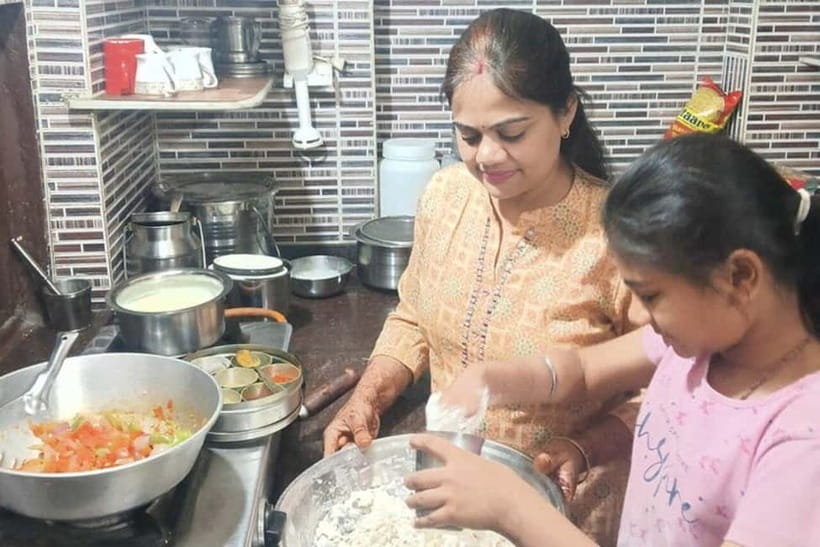
Rajasthan has a strong identity in food, and this class is built to reflect that. The highlights include time-honored dishes such as dal baati churma and ker sangri. Those are not the kind of dishes you casually stumble upon at every restaurant, so cooking them gives you a deeper Jaipur story.
You’ll also likely cover staples from North Indian home cooking. Based on the variety of menus taught, you might make things like dal and dal tadka, palak paneer, aloo ghobi, vegetable biryani, and different flatbreads such as chapatis, parathas, or lachha-style parathas.
One of the biggest reasons people love this class is that you can often choose the recipes you want to learn. That means you can steer the session toward what you actually like eating, rather than being stuck with whatever the instructor cooked the last time.
If you have dietary needs, you should still bring them up clearly. The class can accommodate menus like gluten-free cooking, and it also aims to work around allergies and intolerances when possible. Since your comfort matters, ask what can be adjusted before you come.
Chapatis and Vegetable Curries: The Skills You’ll Reuse
If you want value that lasts after Jaipur, focus on what you’re learning. Chapatis and curries are teachable, repeatable skills. Even if you never make dal baati churma again, you’ll come home able to make a solid flatbread and a dependable vegetable curry.
Here’s what makes those skills useful:
- Chapati practice teaches technique, like dough texture, rolling, and cooking timing. That’s the stuff that determines whether your bread turns out flexible and soft or dry and tough.
- Curries teach sequencing, from toasting spices and building aromatics to simmering and finishing. You learn the “when,” not just the “what.”
- You get to taste as you go, so you can adjust salt, heat, and balance in the moment.
In some sessions, you may also cook dishes beyond the core, such as pakora (vegetable fritters), cumin rice, or variations of lentils. The exact dishes depend on what fits the day and the group, but the goal stays consistent: you leave with confidence, not only recipes.
Another way to spend a day in India:
- Jaipur: Private Full Day Sightseeing Tour By Car with Guide
★ 4.9 · 1,839 reviews - 3-Hour Morning Bike Tour of Jaipur
★ 5.0 · 1,253 reviews - Jaipur: Private Full-Day Sightseeing Tour by Tuk-Tuk
★ 4.8 · 573 reviews - Jaipur: Full-Day City Tour with Car, Guide & Skip-the-Line
★ 4.8 · 512 reviews
The Spice Lesson: Understanding the Purpose, Not Just the Powder
This is where the class earns its 5-star reputation. The spice intro isn’t a lecture. It’s practical. You learn what different spices do in a dish and why certain spice combinations show up together in Rajasthan and North India cooking.
For example, cumin often shows up for aroma and grounding, while chili and warming spices bring heat and depth. You’ll also hear how whole spices and ground spices behave differently when heated. That kind of detail matters because Indian food is not only about spice quantity. It’s about spice timing and function.
You’ll also hear stories and explanations tied to ingredients. That turns cooking into something you remember, because it’s connected to everyday logic: what you use, what you avoid, and how flavors work with local tastes.
If you’re the type of traveler who keeps asking why something tastes like that, you’ll be happy here. This is built for curiosity.
Sitting Down to Eat: Meal, Family Chat, and Dessert
After cooking, you eat what you made. And because it’s a home setting, the meal includes conversation, not just a plate.
Many sessions begin with chai and chatting, and the chat can be about food traditions, differences between cultures, or just daily life in Jaipur. Swati and family are central to that atmosphere, and you’ll often see multiple family members participating, not only one teacher.
Dessert is part of the experience too. You might see something like gulab jamun, a classic Indian syrup-soaked sweet. The dessert finish is more than sugar at the end. It’s part of learning how meals conclude in North Indian homes.
You may also get little extras like jaggery-based treats or homemade pickle. If those appear, take them as bonus context. They show how families use ingredients beyond the main curry and bread.
Recipes Sent After Class: How to Make This Stick
You don’t just leave with a memory. You get e-recipes for the dishes you cooked. Many participants mention receiving recipes via WhatsApp, and the format is typically clear enough to follow at home.
This is the hidden value of the class. Cooking lessons fail when the only thing you take home is a vague idea of what you made. Here, you get an actual blueprint.
Before your class, think about how you’ll use the recipes. If you’ll cook at home within a week or two, take photos of your final plates and note any tweaks you made during cooking, like how long something was simmered or when heat was adjusted. Those small notes help you reproduce the results.
Price and Value: $19 for a Real Skill Lesson
At $19 per person for 3 hours, this is priced like an affordable local meal with a lesson attached, not like a fancy cooking workshop. The real value comes from three things:
- Hands-on time with a small group
- Multiple dishes and practical components, especially bread and curry basics
- Recipes afterward, so you can repeat the results
Restaurant meals in Jaipur can be delicious, but they don’t teach you how to build flavors. This class is closer to what you’d pay for a proper workshop back home, because you’re learning technique, not only ordering food.
If you’re watching your travel budget, this is one of the cleaner ways to spend money because you’re buying an experience you can replay later in your own kitchen.
Logistics That Matter: Location, Transport, and Timing
Transportation to and from the activity is not included, so you’ll need to arrange your own ride or plan your route using local options. The meeting point is listed in the Johari Bazar area: 3664, motisingh bhomiyon ka rasta, fourth crossing, johari bazar, Jaipur 302003.
The simplest strategy is to arrive on time and be ready to confirm you’re at the right spot. In practice, the host team often provides clear arrival guidance, and you can message if you need help with directions.
The class also runs with English and Hindi instruction. That works well for most visitors, and it supports questions during cooking.
Who Should Book This Jaipur Cooking Class?
Book it if you:
- Want homestyle North Indian cooking taught by a local family
- Like learning spices and technique, not only collecting recipes
- Want a small-group setting where you can ask questions
- Need dietary flexibility such as gluten-free menus or allergy awareness
Consider skipping or at least thinking twice if you:
- Don’t want to cook at all, since the format is built for hands-on participation
- Only want sightseeing, because your focus here is the kitchen and the meal
- Can’t manage arranging transport to the Johari Bazar area on your own
This is a great option for solo travelers, couples, and families who want an authentic experience that feels personal, not staged.
Should You Book It?
I think you should book this class if you want a meaningful Jaipur food memory that you can repeat at home. The combination of small group size, hands-on cooking, and recipes provided afterward makes it good value. Add in the fact that Swati and family treat the session like real hospitality, and you get more than dinner with instructions.
If you’re the kind of traveler who loves spices, flatbreads, and the logic behind ingredients, you’ll leave with both skills and context. Plan your transport ahead, show up hungry, and be ready to cook like you belong in the kitchen for a few hours.
FAQ
How long is the cooking class?
The class lasts 3 hours.
What does the class cost?
It’s listed at $19 per person.
Where is the meeting point?
The meeting point is 3664, motisingh bhomiyon ka rasta, fourth crossing johari bazar, Jaipur 302003.
What dishes will I learn to cook?
You may learn Rajasthan dishes such as dal baati churma and ker sangri, and you’ll have hands-on practice making chapatis and vegetable curries. The exact menu can vary based on your choices.
Is welcome drink and dessert included?
Yes. You get welcome drinks and an Indian dessert.
Are recipes included, and how do I get them?
Yes. You receive e-recipes of all cooked dishes at the end of the class.
Do I need to bring my own cooking equipment?
No. Personal cooking equipment is not included, which means you should rely on the kitchen setup provided.
Is transportation to and from the activity included?
No. Transportation is not included, so you’ll need your own way to reach the meeting point.
Recently added around Jaipur
- Jaipur 02 Days Private Tour with Vehicle+Professional Chauffeur★ 5.0 · 12 reviews
- Private Jaipur Pink City Tour by Car & Driver with a Tour Guide★ 5.0 · 104 reviews
- Jaipur Agra Private Full Day Tour★ 5.0 · 11 reviews
- Jaipur customized Half Day Tour★ 5.0 · 31 reviews
- I Bike Inside Jaipur★ 5.0 · 57 reviews
- Indian Traditional Hands On Cooking Classes with local Family★ 5.0 · 69 reviews
- Jaipur Guided Sightseeing Tour★ 5.0 · 21 reviews
- Karma Yoga and Meditation★ 5.0 · 16 reviews
Cooking Classes, compared.
Veg and Non veg : Private Cooking Class in Delhi home (7 meal)
Read our review →
Indian Cooking Class in an Authentic Local Home – Learn 6 Dishes
Read our review →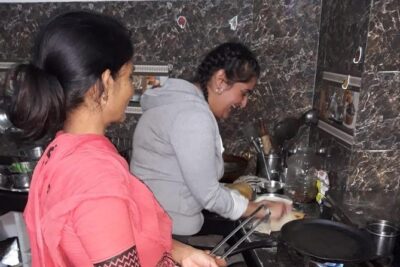
Jaipur Market Tour & Vegetarian Rajasthani Home Cooking Class
Read our review →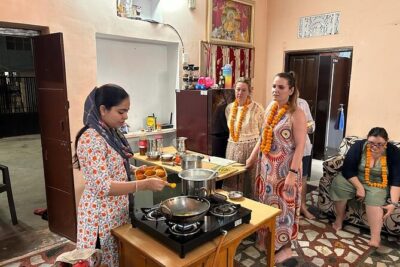
Cooking Class in Jaipur – Family Experience with Meal & Transport
Read our review →
Interactive Cooking Class with a Local Family in Jaipur
Read our review →Browse the lists this tour appears in