
Reviewed · HERITAGE WALKS
Heritage Walk, Local Markets & Food Tasting – Non Touristy
Udaipur tastes better on a small street walk. This non touristy heritage loop mixes old neighborhoods, temples, and real market food into one smooth 2.5 hour outing. I love how it feels like you’re getting shown the city by someone who actually lives here, not by a checklist.
My favorite part is the food sequence, with tried and tested vegetarian stops and a clear sense of what you’re eating and why it matters. The other big win is the walk itself, including old lanes, craft areas, and stops like Jagdish Chowk, Ghanta Ghar, and historic temples that most day-trippers skip.
One thing to consider: it’s a 3 km walking route on older streets. If you’re sensitive to crowds, dust, or you want a fully seated meal, plan on taking breaks when needed and expect to move for the full experience.
In This Review
- Key takeaways before you go
- Where the walk starts, Ganesh Art Emporium by Jagdish Temple
- The non-touristy old city route: markets, chowks, and temple time
- Food tasting stops: samosa to gulab jamun, plus chai and lassi
- Craft and architecture you can actually see up close
- Stories you can’t get from a guidebook: cows, festivals, and everyday life
- How long it takes, how far you’ll walk, and what to wear
- Price and value: what $24 buys you in Udaipur
- Should you book this heritage walk and food tasting?
- FAQ
- What is the duration of the heritage walk?
- Where do we meet for the tour?
- What food is included in the tasting?
- Is the food vegetarian, and is alcohol included?
- How far do you walk?
- What languages is the guide available in?
- Is there free cancellation?
Key takeaways before you go
- Street food you can trust, with 5+ dishes, sweets, and tea included
- Old city temples and chowks, including Jagdish Temple area and Jain temple time
- Markets with purpose, from spice and grains to fruits and vegetables
- Craft stops you can see in real life, like glass inlay work and pottery communities
- A guide who tells the “why”, including stories around cows, festivals, and everyday life
Where the walk starts, Ganesh Art Emporium by Jagdish Temple
You begin at Ganesh Art Emporium, diagonally opposite Jagdish Temple at Jagdish Chowk (toward the clock tower). That location is smart. You’re starting right where locals actually gather, and it keeps the whole route feeling tight and logical instead of scattered across the city.
I like that the tour ends back at the same Jagdish Temple starting area. It helps you get your bearings fast after the walk, and it’s easier to transition to your next plan, like grabbing dinner nearby without guessing how to get home.
If you’re traveling with photos on your mind, this is also a good base. You’ll be walking through lanes where shop signs, temple steps, and craft stalls create natural photo stops without you feeling like you’re forcing it.
More Walking Tours in Udaipur
- Walking Guided tour in Udaipur
★ 5.0 · 54 reviews - Delwara Heritage and Community Walk
★ 5.0 · 31 reviews - Udaipur: Guided Walking Tour of Ghats with Boat Ride
★ 4.3 · 14 reviews
The non-touristy old city route: markets, chowks, and temple time
This isn’t a “big monuments only” day. You’ll be moving through smaller streets and local working areas where the city feels lived in, including places like Rao Ji ka Hata Road, Ghanta Ghar, and the route through older temple and community zones.
Along the way, you get specific stops that make the walk more than just eating and moving:
- Jagdish Chowk gives you the old Udaipur rhythm immediately, with people flowing through the same public space for generations.
- Tinker Street is the kind of place where you notice the textures of daily life, from small trades to storefront clutter that usually gets ignored by mainstream tours.
- Step Well time adds a nice “pause” moment, because you’re not only looking at buildings, you’re seeing how water, architecture, and daily routines connect.
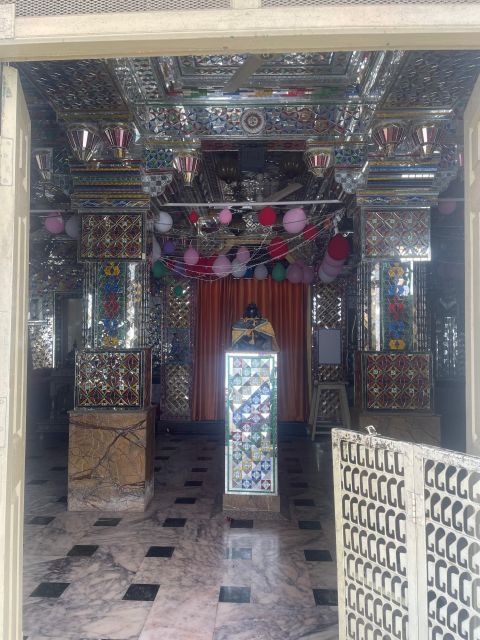
- A historic Jain Temple adds a different religious viewpoint within the same old city space, so you come away with a more rounded picture of local spiritual life.
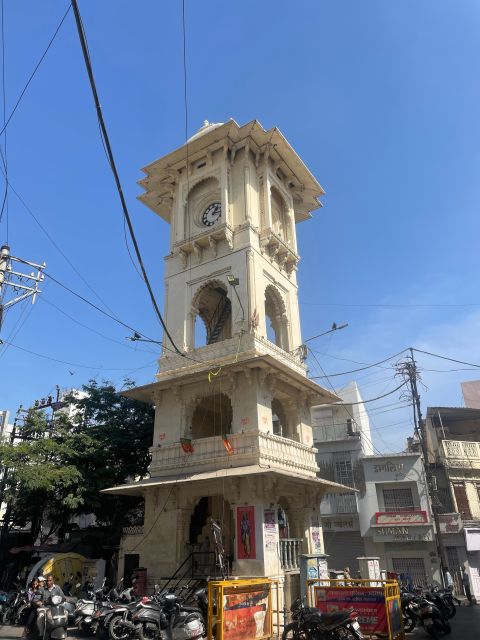
- Clock Tower and the Ghanta Ghar area help you understand why this part of town became a meeting point.
Why this matters to you: old Udaipur isn’t just pretty. It’s practical. Markets happen here, crafts happen here, and temples anchor the social calendar. Walking it on foot, in sequence, helps the place “click” in your head, instead of seeing it as random streets.
Food tasting stops: samosa to gulab jamun, plus chai and lassi
Let’s talk about the main event: vegetarian food tasting in small quantities at multiple stops. You’re not stuffed at one place and then on your own. Instead, you get a sequence that builds flavor and context.
Here are the specific tastings included:
- Samosa with mint and coriander chutney
- Kachori with mango and tamarind chutney
- Poha
- Masala tea, including tasting and how it’s made
- Gulab jamun for dessert
- Lassi, plus chai or juices depending on what the stop offers
What I love about this kind of format is that you learn faster. You’re comparing textures, spice levels, and sour-sweet balances while your guide explains ingredients and basic preparation. Even if you’re not a “food nerd,” it makes street food feel less mysterious and more fun to order later.
A helpful detail for first-time visitors: the tour is described as safe and hygienic, and it’s built around “tried and tested” spots. That matters in Udaipur, where you’ll see tempting stalls everywhere. On this walk, you’re guided toward vendors that are used to serving curious visitors and locals alike.
Possible drawback: street food is inherently more casual than a sit-down restaurant. You’ll likely eat standing or on very simple seating. If that style doesn’t work for you, you might find yourself craving more comfort. For most people, though, that’s part of the charm.
Craft and architecture you can actually see up close
Between food stops, the walk threads in craft and architectural details so you’re not just sampling snacks. You’ll notice things like glass inlay work, old haveli architecture, and community areas tied to specific trades.
Some of the highlighted points you’ll pass through or stop at include:
- Haveli and its architecture in detail, with time to look rather than sprint
- Step well structure, which connects water to daily life
- Bamboo art community, where you can see how materials become objects instead of looking at a finished product only in a shop
- Potters community, where clay work is part of the neighborhood economy
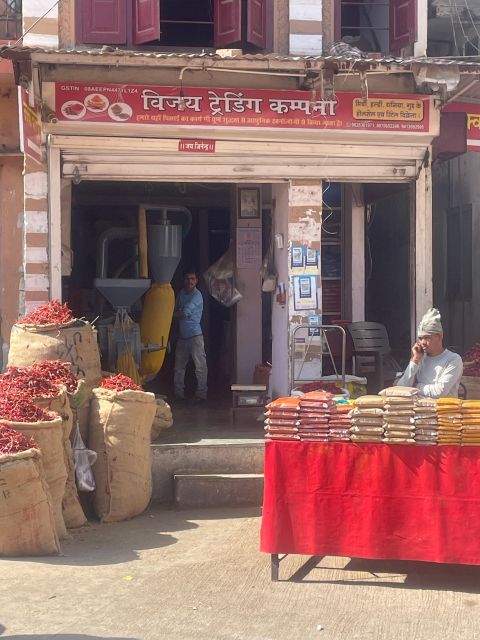
- Spice and grains market, which helps explain why flavor in Rajasthan doesn’t come from one ingredient
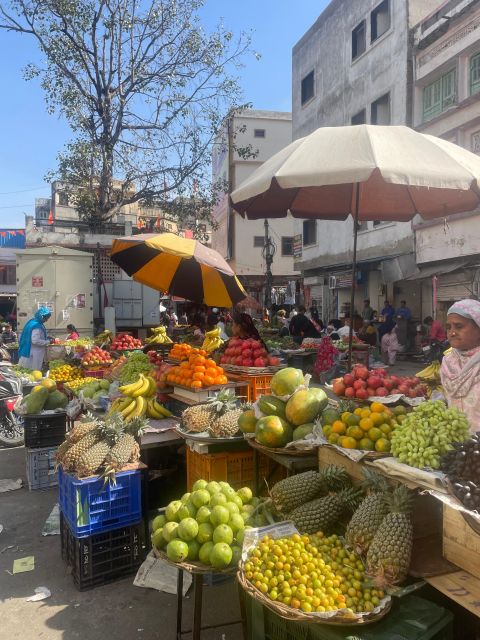
- Fruits and vegetable market, giving you a sense of what people eat day to day
- Biodegradable bowl and plate makers, a very practical stop that also shows how local vendors respond to everyday needs
Why this is valuable: Udaipur’s famous views are easy to photograph from viewpoints. But the craft and market details are what make you understand the city’s “engine.” You’ll remember the haveli textures, the colors of spice stalls, and the look of working communities long after the photos.
Also, the walking pace gives you enough time to notice details, like ornament patterns and storefront specialties, without feeling trapped in a museum.
More Heritage walks in Udaipur:
- Old city heritage walk and local life experience
★ 5.0 · 11 reviews - Fontainhas Heritage Walk by Make It Happen
★ 5.0 · 2,834 reviews - The Great Indian Food Tour: Old Delhi Food and Heritage Walk
★ 5.0 · 1,698 reviews - Old Goa Heritage Walk by Make It Happen
★ 5.0 · 797 reviews
Stories you can’t get from a guidebook: cows, festivals, and everyday life
This tour doesn’t treat the city like a postcard. It treats it like a place with rules, stories, and contradictions.
The guide’s talk centers on topics such as:
- why cows are holy and why you’ll see cows on the streets
- the meaning behind cultural symbols, including why Ganesha is associated with good luck
- festivals and how religion shows up in daily routines
- social topics and history themes you might hear locals discuss, including caste, education, and historical practices like sati and child marriage (with the tour framed as a conversation rather than a lecture)
- modern Udaipur, so you understand what’s changing and what’s staying
Even if you only catch part of these conversations while you’re moving, you’ll still leave with a more human view of the city. And if you’re the type who loves asking questions, this is a good format for it. The guide is in English and Hindi, and the style described by guests emphasizes interaction, not just explanations.
There’s also a fun, surprising moment mentioned in the tour highlights: cow cuddling and more. It’s the kind of local curiosity that turns a normal food-and-walk day into a real memory.
How long it takes, how far you’ll walk, and what to wear
Plan for 2.5 to 3 hours depending on group curiosity. The route covers about 3 km, which doesn’t sound huge until you remember older streets, small stops, and the fact that every food stop takes time to eat and chat.
The default start is 10:00 am, but time and date are flexible. That flexibility is useful if your Udaipur day is packed with lake views and temple photos and you want this walk to be your grounding activity instead of squeezing it in at the end.
What to wear:
- comfortable shoes
- cotton fabrics if you’re visiting in warm months
Practical pacing tip: eat slowly at each stop. Street food portions are meant to be shared across the route, and if you rush, you’ll feel it later during the next walk segment.
If you’re traveling with knee or mobility concerns, be smart about breaks. One guest experience mentions a quick adjustment (a tuk tuk was hired) when a spouse’s knee started acting up. That tells you the day can be flexible if you communicate early.
Price and value: what $24 buys you in Udaipur
At about $24 per person, this is good value when you look at what’s included. You’re not only paying for a guide and route. You’re also paying for all food tastings, including 5+ dishes, sweets, and tea, plus mineral bottled water.
If you tried to recreate this on your own, you’d pay:
- for multiple separate snacks and sweets,
- for tea,
- and for time spent figuring out which stalls are actually reliable and hygienic.
Here, the guide reduces that guesswork. You also get cultural context as you eat, which makes the food feel more intentional. In short, you’re paying for both the calories and the understanding.
Who this fits best:
- first-time visitors who want a local food introduction without the stress of picking vendors alone
- anyone who prefers small group travel and conversation over museum-style tours
- people who like learning the “why” behind culture, not just seeing the “what”
Should you book this heritage walk and food tasting?
Yes, if you want a Udaipur day that feels local and practical, not scripted. This is the kind of experience that helps you understand the city quickly: old lanes, market smells, temple landmarks like Jagdish, and a sequence of vegetarian street foods that you can actually name afterward.
Book it especially if:
- you’re excited about food tasting and want multiple stops rather than one big meal
- you want to walk around older neighborhoods and small craft areas, including potters and bamboo work
- you like Q and A style guiding, with topics that go beyond the usual tourist patter
Skip or think twice if:
- you hate walking and prefer mostly seated time
- you only want fully traditional sit-down restaurants
- you’re not interested in vegetarian street food formats
If you do book, bring an appetite, wear comfy shoes, and treat the guide like your shortcut to safer food choices and better local stories.
FAQ
What is the duration of the heritage walk?
The walk takes about 2.5 hours and is described as 2.5 to 3 hours depending on the group.
Where do we meet for the tour?
You meet at Ganesh Art Emporium, diagonally opposite Jagdish Temple at Jagdish Chowk toward the clock tower.
What food is included in the tasting?
All food tastings are included, including 5+ dishes plus sweets and tea. Specific items listed include samosa, kachori, poha, gulab jamun, and masala tea, with lassi or chai or juices also included.
Is the food vegetarian, and is alcohol included?
The street food tastings are described as vegetarian. Alcoholic beverages are not included.
How far do you walk?
The walk covers about 3 km.
What languages is the guide available in?
The live guide is available in English and Hindi.
Is there free cancellation?
Yes, the experience offers free cancellation up to 24 hours in advance for a full refund.
More Food & Drink in Udaipur
- Mumbai: Street Food and Night Markets Tour
★ 4.9 · 719 reviews - Old Delhi Street Food Tour
★ 5.0 · 497 reviews - Feni and Tapas – Food Trail with Tastings & Drinks by Make It Happen
★ 5.0 · 409 reviews - Delhi Food Walk: Rickshaw Ride, Street Eats & Market Tour
★ 5.0 · 401 reviews
More Historical Tours in Udaipur
- Heritage & Cultural Walk of Udaipur -Guided Walking Tour
★ 4.1 · 7 reviews - Old Delhi Food, Heritage&Cultural Walk with Rickshaw ride to Masterji Kee Haveli
★ 5.0 · 742 reviews - Fontainhas Heritage Walk At Latin Quarters of Goa
★ 5.0 · 531 reviews - Blue City Heritage Private Walking Tour With Pickup and Drop-Off
★ 5.0 · 441 reviews
Recently added around Udaipur
- From Udaipur: Day Tour To Chittorgarh Fort with Transport★ 4.4 · 7 reviews
- Same Day Tour Of Kumbhalgarh Fort & Ranakpur Jain Temple★ 4.7 · 12 reviews
- Private Full-Day Udaipur City Tour with Guide★ 3.5 · 11 reviews
- Monsoon Palace (Sajjangarh) E-bike Trail★ 4.7 · 19 reviews
- Kumbhalgarh Fort & Ranakpur Jain Temple Tour From Udaipur★ 5.0 · 7 reviews
- Heritage & Cultural Walk of Udaipur -Guided Walking Tour★ 4.1 · 7 reviews
- Udaipur: City Palace Museum Tour and Lake Pichola Boat Tour★ 5.0 · 20 reviews
- From Udaipur: Private Day Trip to Chittorgarh Fort★ 4.6 · 8 reviews
Heritage Walks, compared.
The Great Indian Food Tour: Old Delhi Food and Heritage Walk
Read our review →
Fontainhas Heritage Walk At Latin Quarters of Goa
Read our review →
Private Heritage Walking Tour in Jaisalmer Fort and Old Bazaar
Read our review →
Panaji: Heritage Walk through Goa’s Latin Quarter
Read our review →
Browse the lists this tour appears in