
Reviewed · OLD DELHI TOURS
Full Day Old Delhi Food, Heritage, Cultural experience&visit Masterji Kee Haveli
Old Delhi tastes like a living market. This full-day, small-group experience hits the big food streets, major bazaars, and a historic Sikh gurdwara, then winds down with a meal at Masterji Kee Haveli. You start early and move through the city in a tight plan so the chaos feels like a guided story, not random wandering.
I especially like the max 10-person group size, which keeps the pace human and makes questions easy. I also love that you get street food tastings plus full meals instead of just snack sampling.
One consideration: the day is long and active, and the morning begins at 8:30 am. Plus, for places of worship you’ll need to follow the dress rule (no shorts, and women cover knees and shoulders), so plan your outfit accordingly.
In This Review
- Key points before you go
- Old Delhi in a group of ten: why it feels easier
- Meeting at Ajmeri Gate and your 8:30 am start plan
- Pasar Chandni Chowk, the Wedding Market for bridal goods
- Khari Baoli spice market: a 30-minute sensory reset
- Gurudwara Sis Ganj Sahib: how the day gains meaning
- Kinari Bazar embroidery lanes: gold thread and everyday craft
- Dariba Kalan: jewelry lanes and the world of ittar
- Rickshaw rides and street snacks: how the route avoids getting lost
- Masterji Kee Haveli: breakfast, early dinner, and why havelis matter
- Photo album memories: easy keepsakes without awkward posing
- Price and value: what $141.25 covers in real terms
- Who should book this Old Delhi food and heritage day
- Should you book this tour?
- FAQ
- How long is the Old Delhi food, heritage, and cultural tour?
- What time does the tour start?
- Where is the meeting point?
- Is hotel pickup included?
- What is the group size limit?
- What meals and drinks are included?
- Are rickshaw rides included?
- What places does the tour visit?
- What is the dress code for places of worship?
Key points before you go
- Max 10 travelers keeps Old Delhi from feeling like a conveyor belt
- Food is built in, not optional, with breakfast, street tastings, lunch, and an early haveli meal
- Cycle and electric rickshaw rides break up walking and help you cover ground fast
- Chandni Chowk and spice markets give you real sensory culture, not just sightseeing photos
- Gurdwara Sis Ganj Sahib adds meaningful religious heritage to the day
- Complimentary online photo album means you get photographer-style memories without fussing with your camera
Old Delhi in a group of ten: why it feels easier
Old Delhi can be overwhelming. The streets are narrow, the crowds are constant, and the “which way now?” feeling is real. A small group helps you stay oriented, with time to stop and understand what you’re seeing rather than rushing through it.
The cap of ten participants also matters for comfort. You get closer attention from your local friend, storyteller, and photographer, plus faster help when something is confusing or someone needs a break. That human-scale pacing shows up again and again in the way the day is described.
You’ll still walk. This tour is not a sit-and-stare bus ride. But the structure makes the chaos more readable, and that is the whole point.
More Food Tours in Delhi
- The Great Indian Food Tour: Old Delhi Food and Heritage Walk
★ 5.0 · 1,698 reviews - Old Delhi Food, Heritage&Cultural Walk with Rickshaw ride to Masterji Kee Haveli
★ 5.0 · 742 reviews - Old Delhi Street Food Tour
★ 5.0 · 497 reviews
Meeting at Ajmeri Gate and your 8:30 am start plan

The tour meets at Ajmere Gate Road, in the Old Delhi area near Chawri Bazar. The start time is 8:30 am, so you’ll want breakfast energy or at least an early coffee habit before you meet.
Because there is no hotel pickup, you should plan to reach the meeting area on public transit or by taxi, then be ready to begin right away. The benefit is you avoid waiting around in a hotel lobby with a time that might drift.
This timing also helps you beat some of the later-day crowd crush. Old Delhi gets louder as the morning goes on, and starting early gives you a smoother transition into the markets.
Bring comfortable walking shoes. You’ll be on your feet through bazaar lanes, market blocks, and temple approaches.
Pasar Chandni Chowk, the Wedding Market for bridal goods
Pasar Chandni Chowk is your first big immersion, with about three hours spent in the wholesale and local bazaars. The vibe here is market commerce at full volume, and the theme is wedding life: bridal trousseau goods, ceremonial items, shoes, and more, all packed into tight lanes.
What makes this stop so useful is how it teaches you to read a bazaar. Instead of only spotting souvenirs, you see how established merchants build their business around real Indian celebrations and daily needs. You also get context for what people buy and why, which turns shopping streets into cultural education.
A drawback to keep in mind: wedding-market lanes can get dense. If you hate crowds or prefer quiet sightseeing, this may feel intense at first. But that’s also why having a guide matters, since they help you keep moving without losing the meaning of what’s around you.
Khari Baoli spice market: a 30-minute sensory reset
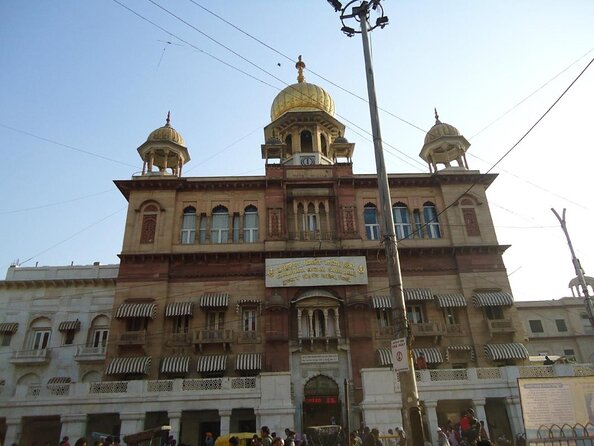
Next up is Khari Baoli, the famous spice market street. This is a wholesale hub with spices, nuts, herbs, and food products like rice and tea, and it’s been operating since the 17th century.
In practice, Khari Baoli is where the tour becomes physical. You smell spices up close, see bulk containers, and understand how wholesale trade works in Old Delhi. Even the short 30-minute stop can feel like a big moment because spices are instantly memorable.
What I like here is the timing. After the wedding-market browsing, Khari Baoli acts like a sensory reset and gives your brain a new set of signals. It’s the kind of stop that makes you feel like you’re learning how the city actually eats, cooks, and trades.
If you’re sensitive to strong smells, you might want to pause if you feel overwhelmed. Otherwise, lean into it. This is one of the best places on the route to experience Old Delhi through your senses, not just your eyes.
More History Tours in Delhi
- Old Delhi Heritage Walking Tour
★ 5.0 · 247 reviews - 13 Nights 14 Days Private Tour of Heritage Rajasthan from New Delhi
★ 5.0 · 149 reviews - Gandhi Delhi Private History Adventure Tour
★ 5.0 · 127 reviews - Delhi’s historical 7 hours experience tour
★ 5.0 · 115 reviews
Gurudwara Sis Ganj Sahib: how the day gains meaning
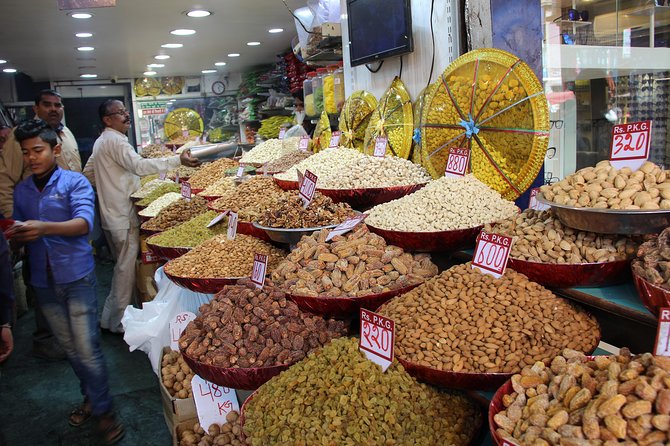
A key pivot in the tour is a visit to Gurudwara Sis Ganj Sahib. The stop lasts around 30 minutes, and it’s one of nine historical gurdwaras in Delhi. It was constructed in 1783 by Baghel Singh Dhaliwal to commemorate the martyrdom site of the ninth Sikh Guru, Guru Tegh Bahadur.
This matters because the day is not only about markets. It also gives you a religious site with a clear story and a place where people practice faith. You’re moving from trade lanes into a space with different rules, different rhythms, and a different kind of attention.
Dress code is a serious part of this stop. No shorts, and for women knees and shoulders must be covered. If you arrive underdressed, you may be turned away or made uncomfortable, so pack accordingly.
Also, keep your tone respectful and slow down. Temples are not the place for fast photos or loud behavior, even if the rest of Old Delhi moves at market speed.
Kinari Bazar embroidery lanes: gold thread and everyday craft
Kinari Bazaar is next, with about one hour in the wholesale retail zone focused on embroidery items. Here you’ll see lace, thread work, embellishment, borders, stonework, gold and silver work, and garlands.
This stop is valuable if you care about “how things are made.” It’s easy to walk past clothing details as decoration. In Kinari Bazaar, those details connect to real work, real materials, and real demand for festive wear.
The tour structure helps you in a practical way. You’re not just looking at shops randomly. You’re learning what each type of material is used for, so when you see a border, you understand it’s part of a larger design system, not just a pretty trim.
A consideration: because this is craft and bridal-related, the visuals can be intense and detailed. If you prefer fewer stops or less shopping energy, you may need to manage your time inside each lane. The good news is your guide keeps the pacing reasonable.
Dariba Kalan: jewelry lanes and the world of ittar
Dariba Kalan is a 17th-century street linked to the broader Chandni Chowk area. The shops here are known for jewelry trades, including gold, silver, diamond, and costume jewelry. Some places also deal in authentic ittar, which is perfume made from ingredients rather than synthetic fragrances.
This stop gives you a nice change of pace from spices and textiles. You move from smell and fabric to shine and fragrance. It’s also one of the better places on the route to notice how Old Delhi trade includes luxury items and everyday goods side by side.
Dariba Kalan can still be crowded, so keep your personal belongings secure. Market streets mean more brushing and more motion around you.
If you’re buying anything, treat it like a learning moment. Ask questions about what you’re seeing and why it’s valued, instead of only grabbing the first item that looks good in photos.
Rickshaw rides and street snacks: how the route avoids getting lost
One of the smart parts of this tour is that it combines walking with cycle and electric rickshaw rides. That mix saves your legs and helps you cover ground without spending the entire day weaving through streets on foot.
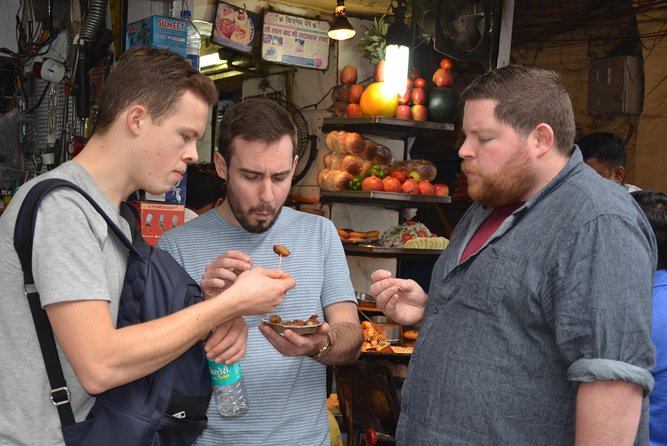
You’ll also have built-in pauses for tea, coffee, and lassi, plus street food tasting. This matters because Old Delhi food is not one thing. It’s a whole menu of small bites, textures, and spice levels, and trying multiple items is the best way to learn what locals actually choose.
The “local friend” approach is also key here. The best value comes from context: what you’re eating, where it fits in Indian food culture, and how it ties to the markets around you. When your guide also acts as a photographer, you get in-the-moment shots without stopping your flow.
A practical tip: pace your tasting. Even if everything smells great, you’ll be eating across multiple stops, and you’ll want energy for the haveli meal later in the day.
Masterji Kee Haveli: breakfast, early dinner, and why havelis matter
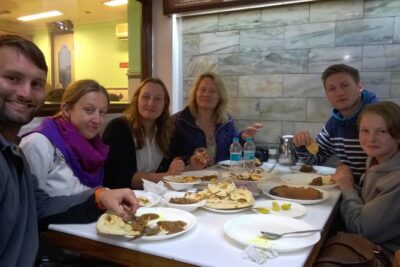
The day’s final comfort stop is a meal at Masterji Kee Haveli, described as one of the last standing havelis in Old Delhi. You’ll have an early meal there, which helps you avoid the late-day slump that can hit after hours in crowds.
Why do havelis feel different? Because they bring the day indoors into a calmer scale. Markets are public, loud, and nonstop. A haveli meal gives you a break from street noise and lets the culture feel more personal and human.
It’s also a good contrast with the rest of the tour. You’re learning from bazaars, temple context, and craft lanes, then you sit down to eat in a space that signals heritage through architecture and atmosphere.
One more plus: the tour includes breakfast and then later lunch plus the early haveli meal. That’s a full food schedule, which is why the overall price starts to make sense. You’re not paying extra meals on your own.
Photo album memories: easy keepsakes without awkward posing
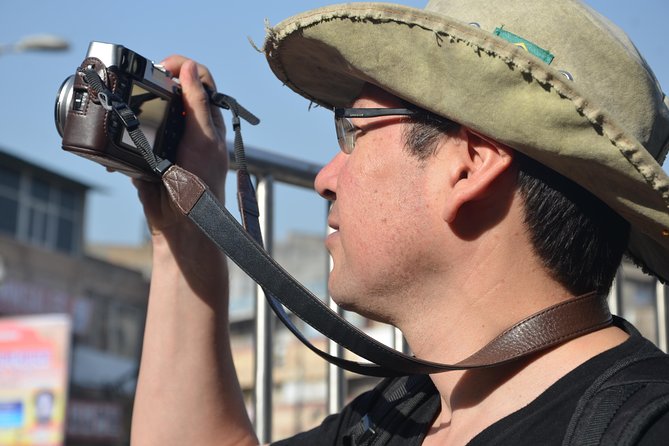
This tour includes a complimentary online photo album filled with photographer-snapped mementos. That’s a genuine value add because it removes decision fatigue about when to take pictures and whether you’re in the right spot.
I like that it’s not only “snap and run.” The guide team is there to document moments, which means you can focus on eating, learning, and walking. You also avoid the common problem of guests spending half the day chasing angles while their group moves.
If you enjoy photos, this feature can turn your trip into a story you can replay. It also helps when you want to remember the exact lanes, shop types, and street vibes that made the day special.
Price and value: what $141.25 covers in real terms
At $141.25 per person, this is not a cheap activity, and you should judge it on what’s included. Here’s the real value equation: the tour includes breakfast, lunch, street food tasting, tea or coffee or lassi, and an early dinner at the haveli. Add the local friend storyteller and photographer support, plus bicycle and electric rickshaw rides, and the online photo album.
When you break it down by time, you’re paying for a guided, food-heavy day with multiple meals and transport included. In other words, you’re buying convenience plus access. Without a guide, you might spend extra time figuring out where to go and what to try, and you’d still be paying for meals and rides separately.
The group size cap helps here too. Small groups are often where your per-person value improves, because you actually get attention and context instead of being part of a large pack.
Who should book this Old Delhi food and heritage day
This tour is a strong match if you want your first Old Delhi day to feel organized, tasty, and culturally grounded. It also works well for food-focused travelers who want more than one street stop and who like trying snacks in a guided flow.
It can also suit travelers who are overwhelmed by Old Delhi logistics. The route is planned, the ride breaks up walking, and the stops build toward a coherent story: markets, spices, craft, then a gurdwara, then the haveli meal.
It might be less ideal if you hate crowds, need a low-walking day, or have strict food limits. The day includes street food tasting, so you should be comfortable trying multiple bites and moving through busy lanes.
Should you book this tour?
Yes, if you want a structured Old Delhi day that blends food, markets, and religious heritage, with meals and photo keepsakes built in. The small group size and the mix of walking plus cycle and electric rickshaw rides make the day feel manageable, even when the streets are not.
Book it if your priority is hands-on culture, including Chandni Chowk wedding commerce, Khari Baoli spice intensity, Kinari Bazaar craft details, and a gurdwara visit that adds meaning beyond shopping.
Think twice if you have mobility limits, dislike dense markets, or struggle with the dress code for places of worship. If that sounds like you, you may want a calmer, less market-heavy plan.
FAQ
How long is the Old Delhi food, heritage, and cultural tour?
It runs about 6 to 7 hours.
What time does the tour start?
It starts at 8:30 am.
Where is the meeting point?
The meeting point is Ajmere Gate Rd, Bazar Sirkiwalan, Chawri Bazar, Old Delhi, New Delhi, Delhi 110006.
Is hotel pickup included?
No. Hotel pickup and drop-off are not included.
What is the group size limit?
The tour has a maximum of 10 travelers.
What meals and drinks are included?
The tour includes breakfast, tea/coffee/lassi, street food tasting, lunch, and an early meal at Masterji Kee Haveli. Bottled water is also included.
Are rickshaw rides included?
Yes. Cycle and electric rickshaw rides are included.
What places does the tour visit?
You visit Pasar Chandni Chowk, Khari Baoli, Gurudwara Sis Ganj Sahib, Kinari Bazar, Dariba Kalan, and you have a meal at Masterji Kee Haveli.
What is the dress code for places of worship?
No shorts are allowed. Women must cover knees and shoulders.
More Historical Tours in New Delhi
- Timeless Treasures: An Old Delhi Heritage Walking Tour
★ 5.0 · 69 reviews - Old Delhi Heritage Walk with Rickshaw Ride
★ 5.0 · 68 reviews - Private 5 Days Heritage Golden Triangle Tour By Car & Driver
★ 5.0 · 67 reviews - Old and New Delhi Delights Food, Culture and Heritage Tour
★ 5.0 · 47 reviews
Popular Old Delhi Tours in New Delhi
- Old Delhi Bike Tour
★ 5.0 · 616 reviews - Breakfast Walk in Old Delhi
★ 5.0 · 449 reviews - New Delhi and Old Delhi Private Tour 4-8 Hours – Customizable
★ 5.0 · 342 reviews - Old Delhi Street Food Tour – Explore Spices in Chandni Chowk
★ 5.0 · 334 reviews
Recently added around New Delhi
- Private Tour of Taj Mahal from Delhi by Chauffeured Car★ 5.0 · 49 reviews
- Full Day Taj Mahal And Agra city tour From Bangalore Via Delhi.★ 5.0 · 6 reviews
- Private Best of New Delhi Full-Day City Tour (All Inclusive)★ 4.5 · 6 reviews
- Full-Day Private Tour at Old & New Delhi★ 5.0 · 26 reviews
- Half Day Private Delhi City Tour★ 5.0 · 14 reviews
- Private Taj Mahal & Agra Day Tour from Delhi by Express Train★ 5.0 · 79 reviews
- Full Day Old & New Delhi City Tour★ 5.0 · 44 reviews
- Old & New Delhi Private City Tour with transfers★ 5.0 · 9 reviews
Old Delhi Tours, compared.
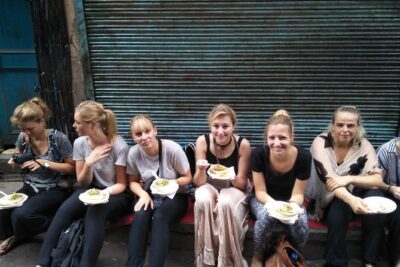
The Great Indian Food Tour: Old Delhi Food and Heritage Walk
Read our review →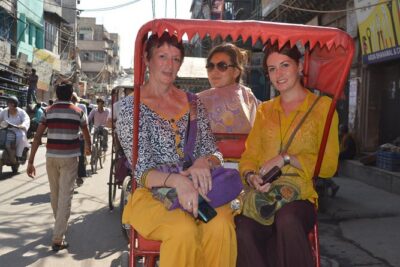
Old Delhi Food, Heritage&Cultural Walk with Rickshaw ride to Masterji Kee Haveli
Read our review →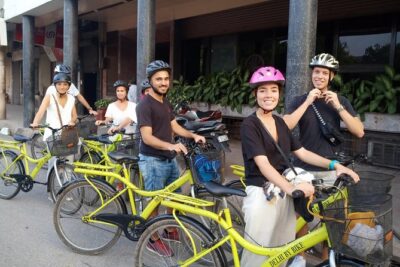
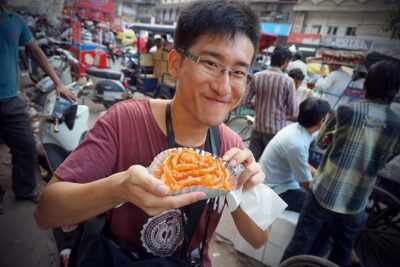
New Delhi and Old Delhi Private Tour 4-8 Hours – Customizable
Read our review →
Old Delhi Street Food Tour – Explore Spices in Chandni Chowk
Read our review →
Browse the lists this tour appears in