
Reviewed · ELEPHANT EXPERIENCES
From Agra: SOS Elephant Conservation & Bear Rescue Day Trip
Elephants and bears, not cheap thrills. I love the conservation-first focus at the Wildlife SOS elephant and Bear Rescue centers, and I love how the guide turns each animal’s story into something you understand, not just something you watch. A heads-up though: this is an active, sun-forward day with strict animal rules, so it may feel like a lot if you want a relaxed outing.
You start with hotel pickup in Agra, ride to two different wildlife care sites, watch a documentary about rescue and medical treatment, and then end back in Agra. If your group’s guide is Sunny, the trip is often praised for clear explanations and a warm, helpful pace. If you get a patient driver like Bobby, the traffic gets less stressful too.
In This Review
- Key highlights that make this day trip worth it
- A conservation day trip that adds meaning to Agra
- From Agra pickup to the first center: how the route feels
- Wildlife SOS elephant conservation: what you’ll see and learn
- The documentary helps you connect the dots
- Bathing and feeding routines: watch carefully, follow the rules
- Mathura break and lunch time: why the gap helps
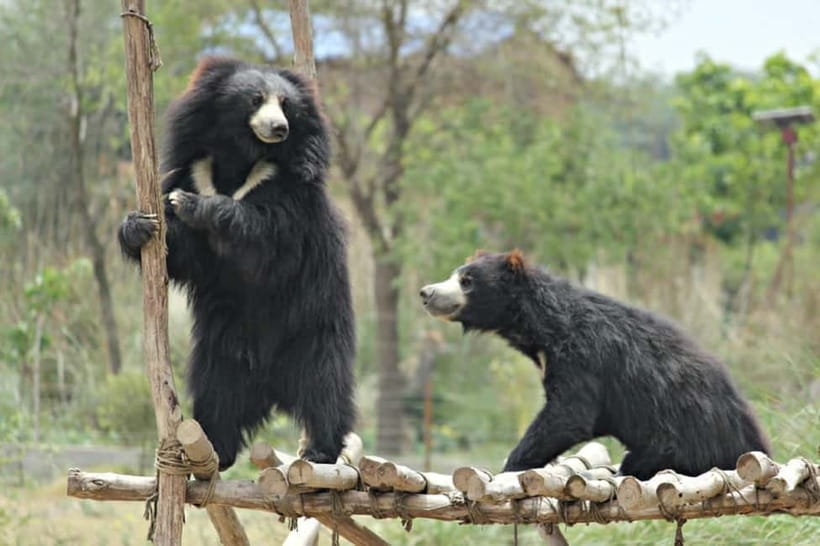
- Keetham Bear Park at the lake: seeing sloth bears in a natural setting
- The focus is sloth bear rescue history and welfare
- Walking and wildlife viewing: go in patient mode
- The role of the English wildlife guide (and why names matter)
- Price and total value: what $32 covers, and what may cost extra
- What to bring, what not to do, and how to avoid rookie mistakes
- Who this day trip fits best
- Should you book the SOS Elephant Conservation & Bear Rescue Day Trip from Agra?
- FAQ
- What is the duration of the day trip?
- Is pickup included in Agra?
- What does the tour price include?
- Are meals included?
- Are donation fees and entry fees included?
- What animal activities can I expect to do?
- Is feeding animals allowed?
- Can I use flash photography?
- What should I bring for the day?
- Who is the trip not suitable for?
Key highlights that make this day trip worth it
- Two real rescue programs in one day, elephants first, then sloth bears
- Wildlife expert guide in English who explains the animals’ past and the rehab work
- Documentary viewing that adds context on rescue and medical treatment
- Keetham Lake nature setting around the bear center, with plant and wildlife watching
- Keeper-led interactions such as bathing and feeding routines, with safety rules for visitors
A conservation day trip that adds meaning to Agra
Agra is famous for the big sights, but this day trip gives you a different kind of perspective. Instead of only looking at monuments, you spend the day learning about animals rescued from exploitation and then cared for through rehabilitation. The tone is practical and humane, and that matters because elephants and sloth bears are often misunderstood by how they are kept, not by what they are like in the wild.
What I like most is that the day is built around understanding. You hear why the animals arrived at the centers, and you also learn how long-term care changes their lives. That makes your photos feel less like souvenirs and more like evidence that conservation work exists right here in Uttar Pradesh.
More Elephant experiences in India:
- Private Elephant Sanctuary
★ 5.0 · 390 reviews - Anakulam Wild Elephant Village life tour ( By Munnar Info)
★ 5.0 · 344 reviews - From Delhi: Taj Mahal Sunrise Tour w/ Elephant Conservation
★ 4.9 · 304 reviews
From Agra pickup to the first center: how the route feels
This is a private group day trip with a dedicated driver and an air-conditioned car. Pickup is available from several Agra spots, including areas like Taj Mahal Metro Station and Agra Cantt Railway Station, plus options such as the airport and metro stations. That flexibility is handy because it reduces the hassle of coordinating meeting points around the busiest parts of the city.
The schedule has a full stretch at the Elephant Conservation and Care Center, then a break in Mathura, then time at Keetham Bear Park. Translation: you are not rushing through two quick stops. You have enough time to settle in, watch the care routines, and ask questions without feeling like you are constantly sprinting between locations.
One practical consideration: the day includes travel time plus outdoor viewing. Bring water and plan to dress for sun, not for comfort-first lounging. The trip is doable, but you feel the pace.
Wildlife SOS elephant conservation: what you’ll see and learn
The first major stop is the Wildlife SOS Elephant Conservation and Care Center. Expect about 4.5 hours here, focused on rescue stories and rehabilitation care. You’ll hear that these elephants were often taken from places where humans used them in ways that are now considered harmful, including temples, circuses, and villages where they were used for transportation and domestic purposes.
That rescue context changes how you see the elephants. Instead of just noticing size and presence, you start noticing signs of care, routine, and recovery. The experience is meant to show you the difference between exploitation and rehabilitation.
The documentary helps you connect the dots
A documentary viewing is included as part of the day. It covers rescue programs and treatment, which is useful because elephant care is not one simple thing. It can involve medical checks, recovery time, and consistent handling approaches that protect both the animal and the caretakers.
If you like learning in layers, this format works well. You watch the film, then you see how the center’s day-to-day care fits what you just learned.
Another way to spend a day in India:
- Old & New Delhi City Tour – Half or Full Day Options Available
★ 5.0 · 4,811 reviews - Half Day Private Delhi City Tour
★ 5.0 · 4,474 reviews - Same Day Taj Mahal, Agra Fort & Baby Taj Tour from Delhi by Car
★ 5.0 · 4,304 reviews - Taj Mahal Day Tour from Delhi by Superfast Train – TOP RATED TOUR
★ 5.0 · 4,166 reviews
Bathing and feeding routines: watch carefully, follow the rules
The tour highlights mention activities like feeding and bathing the animals. At the same time, the rules also say feeding animals is not allowed for visitors. So here is what that usually means in practice: keepers handle feeding and you may observe or participate in parts of the routine that are permitted, such as bathing under supervision, depending on how the center runs that day.
Either way, keep an eye on what the wildlife guide tells you in the moment. The goal is safety and animal welfare, not a chance for visitors to interact however they want.
Mathura break and lunch time: why the gap helps
Between the two centers, you get a break in Mathura with lunch time around 1.5 hours. This is not just a convenient pause. It also helps you reset mentally and physically. By the time you reach the bear center, you will likely want that time to refuel and cool down a bit.
Use this window strategically. If you want water, snacks, or something to protect yourself from sun and dust, this is where you handle it. Also, if you tend to get slow after sitting in a car, stand up, stretch, and get some fresh air while you can.
Keetham Bear Park at the lake: seeing sloth bears in a natural setting
After Mathura, you head to the Keetham Bear Park area for the Bear Rescue Center visit. Expect about 2 hours here, including a guided tour and time to walk and view wildlife.
Keetham Lake is part of the setting, and the experience includes enjoying the flora and fauna around the bear rescue center. That makes the place feel less like a fenced-in stop and more like a conservation landscape where the animals have room to live in a safer way.
The focus is sloth bear rescue history and welfare
You’ll hear horrible stories about the bears’ past lives, which is part of why the program exists. The aim is to show that rescue is not just getting an animal out of danger. It is ongoing welfare, rehabilitation, and medical care.
Even if you already read about bear rescue work, this stop tends to hit differently because you are seeing the results of care, not just statistics. You also get time to observe the animals calmly rather than treating them like an attraction.
Walking and wildlife viewing: go in patient mode
Bear center viewing can be unpredictable. Sometimes animals are active, sometimes they’re quieter. Keep your expectations flexible and give your eyes time to adjust. With a guided pace and your guide’s explanations, the unpredictability feels less frustrating and more like part of nature watching.
The role of the English wildlife guide (and why names matter)
The trip includes a wildlife expert guide speaking English. That is a big deal because rescue work is full of details that can be easy to miss if you only rely on signage.
Some guides are particularly praised for how clearly they explain both the rescue context and the day’s procedures. In past trips, Sunny has been described as friendly and informative on the route, then able to explain what you’re seeing at the sanctuaries. At the elephant center, another guide named Vishan has also been praised for caring deeply and offering information you can actually use to understand the rehab work.
Also, having a guide who respects animal welfare and visitor rules matters. The whole point is not to force close contact. The best guides keep the experience respectful, calm, and educational.
Price and total value: what $32 covers, and what may cost extra
At $32 per person for a 1-day private group trip, the base value is solid if you compare it to typical costs in Agra for a private car plus a guided conservation day. What you get includes hotel pickup and drop-off, a private air-conditioned car, an English wildlife expert guide, documentary viewing, and visits to both centers. There are also multiple pickup and drop-off locations, which reduces wasted time.
But budget for two potential add-ons:
- Donation fees are not included for the Elephant Sanctuary and the Bear Sanctuary
- Park entry fees are not included
That means the final amount can be higher than the headline price. The good news is that donations and entry fees usually support the on-site conservation work, so it is money that goes back into care.
My practical advice: assume the day costs a bit more than $32 once entry fees and donations come into play. If you want a simple number, ask your operator ahead of time what you should expect for those items.
What to bring, what not to do, and how to avoid rookie mistakes
This day trip is outdoors enough that packing for sun and dust is smart. Bring:
- Hat
- Camera
- Sunscreen
- Water
- Comfortable clothes
- Insect repellent
And follow the rules:
- No smoking
- No flash photography
- Feeding animals is not allowed
If you are planning photos, remember that flash is prohibited. Also, keep your camera ready but your behavior calm. Conservation programs work best when visitors are respectful and follow the guide’s instructions quickly.
One more thing: the trip is not suitable for people with animal allergies, and it is also not listed as suitable for wheelchair users. Pregnant women are not listed as suitable either, and children under 3 years old are not suitable. If any of these apply to you, it is worth looking for a different type of Agra experience that fits your needs better.
Who this day trip fits best
This is a great match if you want more than sightseeing and you care about how animals are treated. It also works well if you like structured learning. The documentary plus guided explanations plus time inside each center creates a full picture without requiring you to do research on your own.
You’ll likely enjoy it even more if:
- You prefer ethical wildlife experiences over rides or performances
- You want to learn rescue stories and welfare basics
- You don’t mind a long day with outdoor time and animal viewing
If you strongly dislike strict rules, intense sun, or uncertain animal viewing, then you might find this trip more demanding than it sounds on paper.
Should you book the SOS Elephant Conservation & Bear Rescue Day Trip from Agra?
If your goal is a conservation-minded day that feels grounded and educational, I think this is a smart booking. The best part is the clear focus on rescue and rehab, plus the documentary support and the English guide who helps you interpret what you see.
I would book it if:
- You’re visiting Agra and want at least one day that goes beyond monuments
- You’re curious about how rescue and medical treatment change animal lives
- You’re willing to follow the welfare rules, including no flash and no feeding
I would hesitate if:
- You need step-free or wheelchair-friendly access
- You are sensitive to allergens or crowded walking conditions
- You want a completely low-activity day with minimal outdoor exposure
Overall, it is one of the more meaningful ways to spend a day in Agra, because you leave with knowledge, not just images.
FAQ
What is the duration of the day trip?
The tour is listed as 1 day. Starting times can vary, so you should check availability for the time that fits your schedule.
Is pickup included in Agra?
Yes. The tour includes hotel pickup and drop-off, with pickup available from multiple locations in Agra.
What does the tour price include?
It includes hotel pickup and drop-off, a private air-conditioned car, an English live wildlife expert guide, documentary viewing, and visits to the bear and elephant sanctuary programs (donation fees not included).
Are meals included?
No. Meals are not included.
Are donation fees and entry fees included?
Donation fees for the elephant and bear programs are not included, and park entry fees are not included.
What animal activities can I expect to do?
The experience description mentions activities like feeding and bathing the animals, but the rules also say feeding animals is not allowed for visitors. You will want to follow your guide’s instructions on what you can safely participate in versus what keepers do.
Is feeding animals allowed?
No. Feeding animals is listed as not allowed.
Can I use flash photography?
No. Flash photography is not allowed.
What should I bring for the day?
Bring a hat, camera, sunscreen, water, comfortable clothes, and insect repellent.
Who is the trip not suitable for?
It is not suitable for children under 3 years, pregnant women, wheelchair users, and people with animal allergies.
Recently added around India
- Jaipur 02 Days Private Tour with Vehicle+Professional Chauffeur★ 5.0 · 12 reviews
- Private Jaipur Pink City Tour by Car & Driver with a Tour Guide★ 5.0 · 104 reviews
- Jaipur Agra Private Full Day Tour★ 5.0 · 11 reviews
- Jaipur customized Half Day Tour★ 5.0 · 31 reviews
- I Bike Inside Jaipur★ 5.0 · 57 reviews
- Indian Traditional Hands On Cooking Classes with local Family★ 5.0 · 69 reviews
- Jaipur Guided Sightseeing Tour★ 5.0 · 21 reviews
- Karma Yoga and Meditation★ 5.0 · 16 reviews
Elephant Experiences, compared.
Anakulam Wild Elephant Village life tour ( By Munnar Info)
Read our review →
Taj Mahal Sunrise Tour w/ Elephant Conservation
Read our review →
Taj Mahal Sunrise Tour with Elephant SOS Center
Read our review →
Sunrise Taj Mahal & Elephant conservation – All Inclusive
Read our review →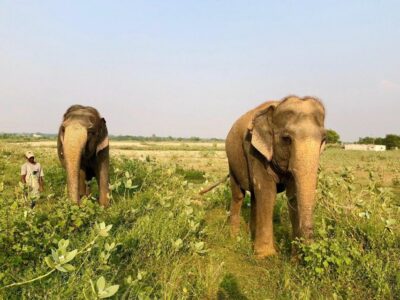
Visit to Wildlife SOS Elephant Conservation Trip
Read our review →
Browse the lists this tour appears in