
Reviewed · DELHI TOURS
Chardham Yatra Tours Packages From Delhi | Char Dham Yatra from Delhi
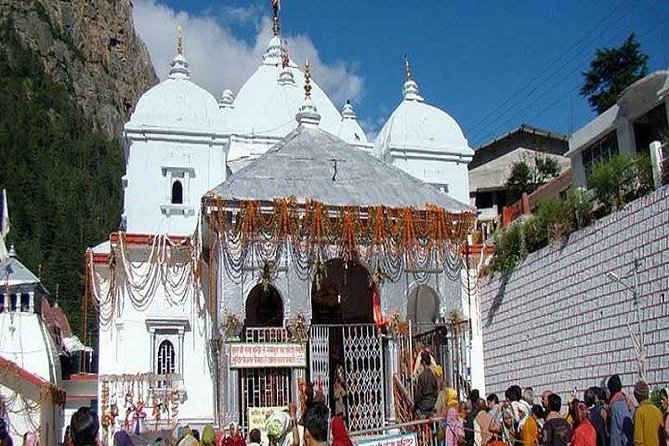
Four sacred valleys, one long Himalayan breath. This Char Dham yatra from Delhi strings together the temples of Badrinath, Kedarnath, Gangotri, and Yamunotri, plus big moments at Haridwar. I love how the schedule builds spiritual rhythm with practical travel stops, and I love the small, hands-on rituals like Yamunotri’s hot-spring cook ritual and the Ganga aarti at Har Ki Pauri. One consideration: your comfort level can vary, since some past guests have complained about basic lodging expectations, so go in knowing it is a working pilgrimage, not a luxury resort tour.
You’ll start early from Delhi, and you’ll move by road in a group that’s capped at 27 travelers. In the best run of things, the tour team can be genuinely caring, including guides who take time with the group and kitchen support that keeps meals coming even when timings get odd. The big upside is that you get a mobile ticket and a plan that handles the route, drivers, and temple circuit, while you focus on stamina, prayers, and views.
In This Review
- Key things I found most useful
- Starting From Delhi: The 6 AM Ajmeri Gate Setup
- Haridwar Arrival and Har Ki Pauri Aarti, plus a Brahma Kund Moment
- Up to Yamunotri: Dehradun, Mussoorie, and Kempty Fall Road Views
- Janki Chatti to Yamunotri: The 6 Km Trek and Hot-Spring Rituals
- Uttarkashi Stops: Prakateswar Mahadev and the Kashi Vishwanath Temple Circuit
- Gangotri and Bhagirathi: Cold Dips, Pooja, and Himalayan Drama
- Sitapur or Guptkashi Registration Before Kedarnath
- Kedarnath Trek From Sonprayag: Walk Options, Pony/Doli, or Helicopter
- Badrinath and Mana Village: Tapt Kund Dip and the Temple Inside the Temple
- Rishikesh and the Confluence Stops: Where the Rivers Meet
- Back to Haridwar for the Last Aarti, Then Overnight to Delhi
- Price and Value: What You Pay For, What You Still Need to Budget
- Accommodation and Team Service: Where This Tour Can Shine or Miss
- Who This Char Dham Yatra From Delhi Is Best For
- Should You Book This Char Dham Yatra Package From Delhi?
- FAQ
- Where does the Char Dham yatra from Delhi start?
- What time does the tour start?
- How long is the tour?
- What is included in the tour price?
- Are temple or entry tickets included?
- Do I need to trek to Yamunotri and Kedarnath?
- What is the cancellation timeline for a full refund?
Key things I found most useful
- A clear spiritual route across four major shrines, with Haridwar woven in twice for river-side rituals.
- Real participation options: trek by foot or use pony/doli where offered, plus helicopter options for Kedarnath at extra cost.
- Specific ritual experiences like Har Ki Pauri’s Brahma Kund area, Yamunotri hot springs, and cold dips in Bhagirathi and the Ganga river system.
- Altitude-aware pacing across Uttarkashi, Gangotri, and Guptkashi/Sitapur before Kedarnath.
- Meals are included (breakfast, lunch, dinner), which matters on tight schedules in remote mountain towns.
Starting From Delhi: The 6 AM Ajmeri Gate Setup
The tour starts at New Delhi Railway Station, Gate 2, Ajmeri Gate at 6:00 am. That early departure is not a detail you should ignore. The drive time to the first pilgrimage stop means you’ll be trading sleep for a smoother day one, especially with morning traffic.
You’re also told your meeting point ends where it began, so it’s a closed loop. That’s comforting if you hate last-minute confusion in a big city. The group size stays manageable (up to 27), which helps on buses, during temple movement, and at check-in points.
A few more New Delhi days to compare
- Old & New Delhi City Tour – Half or Full Day Options Available
★ 5.0 · 4,811 reviews - Half Day Private Delhi City Tour
★ 5.0 · 4,474 reviews - Same Day Taj Mahal, Agra Fort & Baby Taj Tour from Delhi by Car
★ 5.0 · 4,304 reviews
Haridwar Arrival and Har Ki Pauri Aarti, plus a Brahma Kund Moment
Day one lands you in Haridwar, where the core idea is simple: meet the Ganges in the city, not later in the mountains. After check-in, you’ll go for a ritual bathing on the Ganges banks and then join the evening Aarti at Har Ki Pauri.
Har Ki Pauri is the famous ghat, and the itinerary highlights Brahma Kund, tied to the story of Amrit (nectar). Even if you don’t follow the myths word-for-word, that detail tells you what you’re walking into: this is the religious center of the pilgrimage experience, with crowds, chanting, lamps, and people who come for a reason.
If time permits, you can also visit Manasa Devi temple. That is optional in the schedule, so manage your energy. Haridwar is your first taste of intense movement, and you’ll want enough steam for tomorrow’s long road.
Up to Yamunotri: Dehradun, Mussoorie, and Kempty Fall Road Views
The second day is about getting from the plains into the Himalaya mood. You drive toward Barkot via Dehradun and Mussoorie, with a stop at Kempty Fall if conditions allow.
A key point here is that routes can shift due to road conditions and traffic. That’s normal in this region. What matters for you is mindset. Don’t plan this part as sightseeing the way you would in a museum city. Treat it like a scenic commute, where the “bonus” is when you get clear views or a comfortable break at a photo stop.
Barkot is where you settle overnight, and it sets you up for the next day’s Yamunotri trek from Janki Chatti.
Janki Chatti to Yamunotri: The 6 Km Trek and Hot-Spring Rituals
Yamunotri is where you feel the pilgrimage turn from road travel into physical effort. You start early with a drop to Janki Chatti, and the trek begins from there to Yamunotri, about 6 km.
The itinerary is clear about your options:
- You can trek on foot.
- Or you can use a pony/doli, at your own cost.
That flexibility matters. It means the experience is still possible even if your knees are not in festival mode that day. Still, you should plan for cold air at higher elevation and uneven paths. If you have even mild stamina limits, start slow, keep your breathing steady, and pack layers.
At Yamunotri, the program includes:
- buying prasad forms from local shops,
- a holy dip in natural hot water (or the river Yamuna, which is described as very cold),
- and a famous ritual with Surya Kund, where you cook rice using hot spring water, then take cooked rice home as prasad.
You’ll also be able to offer pooja to the Divya Shila and take blessings of Mata Yamuna. This is the kind of practical religious experience that feels real because you participate, not just watch.
Afterward, you trek back to Jankichatti and return by vehicle to Barkot.
Another way to spend a day in India:
- Taj Mahal Day Tour from Delhi by Superfast Train – TOP RATED TOUR
★ 5.0 · 4,166 reviews - Full Day Taj Mahal, Agra Fort & Baby Taj Tour from Delhi by Car
★ 5.0 · 3,647 reviews - From Delhi: Taj Mahal & Agra Private Day Trip with Transfers
★ 4.9 · 3,181 reviews - Taj Mahal Tour from Delhi by Express Train (Viator Award Winner)
★ 5.0 · 2,849 reviews
Uttarkashi Stops: Prakateswar Mahadev and the Kashi Vishwanath Temple Circuit
Day four pushes you to Uttarkashi, again with en-route temple visits. You stop at Prakateswar Mahadev (Shiv Cave) and the Kashi Vishwanath temple at Uttarkashi.
This is a good day for people who want more than one kind of sacred setting. Haridwar is riverside and crowded. Uttarkashi gives you temple architecture and Shiva associations, and the schedule notes Uttarkashi sits on the Bhagirathi river bank.
In the optional browsing spirit, the itinerary points to other temples like:
- ancient Shakti Mata temple with a large trishul,
- Hanuman temple.
Even if you only catch one or two, you’ll feel the “smaller town sacred” vibe. It’s less about big spectacle and more about walking into a living religious town, where prayers continue even when you are just passing through.
Gangotri and Bhagirathi: Cold Dips, Pooja, and Himalayan Drama
Day five takes you to Gangotri, listed at 3048 meters. The drive runs parallel to the Bhagirathi river, and that phrasing matters: you’re not going up blindly, you’re traveling alongside the waterway that makes the pilgrimage meaningful.
Once you arrive, the program includes:
- a holy dip in the river Bhagirathi (described as icy cold),
- performing Pooja and Hindu rites at the riverbank,
- and darshan of multiple shrines: Mata Ganga, Lord Shiva, Hanuman, Vinayaka, and Bhagirath Maharaj.
Then you return to Uttarkashi for the night.
If you’re wondering why this stop is more than just another temple day, it’s because cold-water ritual is part of the lived faith here. For some people it is emotional and grounding. For others, it is a harsh physical check-in. Either way, it’s not a “one size fits all” experience, so pace yourself around the water and don’t treat it like a random splash.
The itinerary also mentions Harsil as a scenic, quieter region with forests and river vibes. That’s more than marketing language. This area is the kind of stop that refreshes you before the next steep day.
Sitapur or Guptkashi Registration Before Kedarnath
Day six has a more administrative feel. You drive to Sitapur/Guptkashi and then do registration for visiting Kedarnath, followed by an overnight stay at a hotel.
This registration step can matter more than you expect. It turns Kedarnath from a vague dream into a scheduled religious appointment. It also reduces stress later, when weather and access can tighten.
Practical tip: keep your documents or details organized early in the trip, because mountain itineraries move fast and you do not want to waste time hunting papers.
Kedarnath Trek From Sonprayag: Walk Options, Pony/Doli, or Helicopter
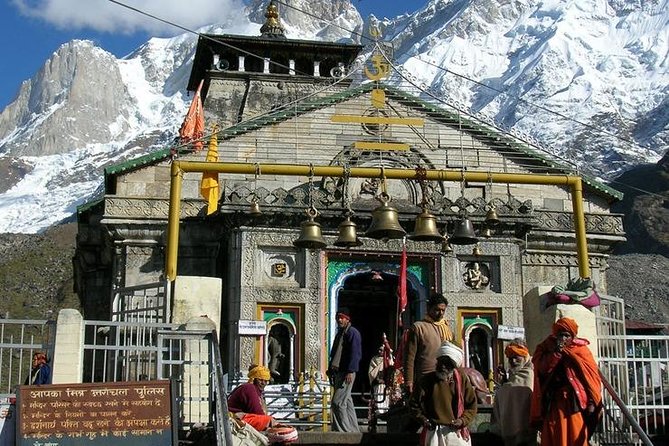
Kedarnath is the heavy spiritual anchor on this route. Day seven starts with an early drop to Sonprayag, from where the trek begins.
Your options are spelled out:
- trek by foot,
- use a pony/doli (at your own cost),
- or take a helicopter to Kedarnath (also at your own cost).
You’ll do pooja and darshan at the shrine, then return to Sitapur for the overnight.
The itinerary also gives you a real packing checklist:
- carry personal medicines,
- heavy woolen clothing,
- toiletries and necessary warm layers.
This matters because Kedarnath and surrounding areas can feel brutally cold compared with the places you drove through earlier. If you ignore warmth, you’ll spend temple time thinking about your body instead of your prayers.
When you do the trek, go steady. Don’t try to outwalk the altitude and cold. Move with purpose, take short breaks, and keep water and warmth in mind.
Badrinath and Mana Village: Tapt Kund Dip and the Temple Inside the Temple
Day eight shifts gears. You leave after an easy morning and depart around 12:00 noon to Pipalkoti, checking in for the night. It’s a reset day, letting you recover from Kedarnath exertion and letting your legs unfreeze.
Day nine is classic Badrinath programming. You drive to Badrinath and stop en-route at:
- Joshimath and the Narasimha Temple,
- Vishnu Prayag.
Then you go to Mana Village, described as India’s last village toward the Indo-Tibetan border. The itinerary lists highlights there, including:
- Vyasa Gufa,
- Ganesh Gufa,
- Bhim Pul,
- the Saraswati river area.
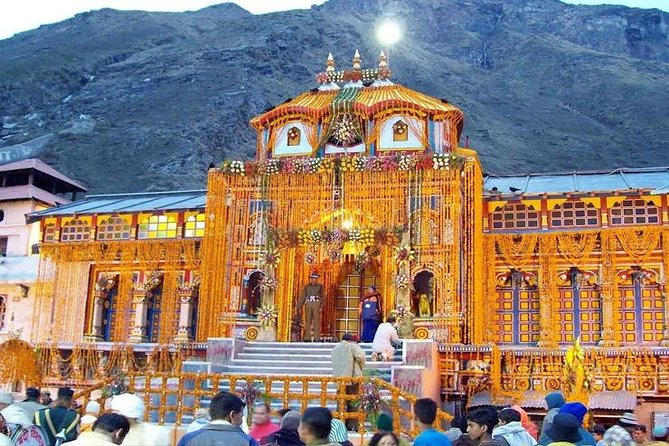
Afterward you check into the hotel and explore Badri Valley, then visit the Badrinath Temple. The day includes a holy dip at Tapt Kund, then temple darshan.
Inside the temple compound, the itinerary emphasizes seeing Badrivishal along with shrines for Ganesh, Kubera, Garuda, Narada, Udhhav, Nar and Narayan. It also points out other smaller temples like Laxmimata, Nar-Narayana, Hanuman, Ghantakarna, and Kamdhenu.
This is a big reason people remember Badrinath: it is not just a door you pass through. It’s a whole cluster of sacred views and repeating names of divinity, which gives your mind something to hold onto while the crowd flows around you.
Rishikesh and the Confluence Stops: Where the Rivers Meet
Day ten is a transfer day with religious stops along the way. The schedule moves from morning after breakfast to Srinagar, with en-route visits to Karanprayag, Nandprayag, Rudraprayag, and Dhari Devi temple.
These confluence spots are spiritual waypoints in their own right. The practical value for you is timing and comfort. A long road without breaks becomes exhausting. These stops break the drive into smaller pieces while keeping the sacred theme intact.
By the time you check in at Srinagar, you’re not just arriving. You’re arriving after a chain of small temple moments that keep you focused.
Back to Haridwar for the Last Aarti, Then Overnight to Delhi
Day eleven brings you back toward Haridwar with one important stop: Devprayag, the confluence of Alaknanda and Bhagirathi. From there downstream, the river is called the Ganges, which is a neat reminder that this whole trip is really one changing river story.
Then you arrive at Haridwar and repeat the core Haridwar ritual set:
- Ganges bathing,
- evening Aarti at Har Ki Pauri,
- and again the Brahma Kund association with Amrit.
After dinner, you board the coach to Delhi for overnight journey.
Day twelve is the finish in Delhi, with arrival around 5:00 am, and the trip ends back at the meeting point.
If you’re wondering what to do after a final aarti, it’s simple: sleep on the coach. This is not the day for museum planning, shopping sprees, or complicated sightseeing. You’ll want to absorb the trip with quiet recovery.
Price and Value: What You Pay For, What You Still Need to Budget
The price is listed at $612.11 per person for an approximate 12-day trip. For a route that covers multiple mountain regions, guided temple days, meals (breakfast, lunch, dinner), and scheduled hotel check-ins at each base town, that can be solid value if you know what’s extra.
The package does not include:
- GST,
- personal expenses like tipping, laundry, phone costs, and camera fees,
- any kind of insurance,
- and possible claim or delay charges due to landslides, road blockages, and natural calamities.
Also, several movement-related costs are noted as not included, such as:
- doli/pony charges,
- helicopter costs,
- ropeway tickets at Rishikesh and Haridwar.
Here’s the practical way I’d think about it: this tour is strongest when you let it handle the backbone, transport timing, and meals. You control your “comfort upgrades” by deciding when you want pony/doli help or helicopter options.
Accommodation and Team Service: Where This Tour Can Shine or Miss
The experience can be well-run when your guide and driver click with your group. One praised example is a guide named Gaurav, along with a driver Chandan who handled tough terrain well. The same accounts also highlight kitchen support, including Cheran, feeding people even at odd hours.
But the balance matters. There are also negative mentions of basic lodging quality, including complaints about cleanliness standards. That doesn’t mean it is always bad, but it does mean you should not assume hotel comfort at this stage of the trip will feel like a beach holiday.
My advice: set expectations honestly. If you care deeply about linens, cleanliness, or room comfort, bring a small hygiene kit, and consider asking what you can about the hotel tier before you pay.
Who This Char Dham Yatra From Delhi Is Best For
This is a good fit if you:
- want a structured pilgrimage with transport and meals handled,
- are comfortable with early starts,
- and can handle moderate physical fitness needs, including at least the Yamunotri trek and the Kedarnath trek option.
It is also a good fit for first-timers to the circuit who want to avoid arranging separate buses, permits, and routing. You’re moving point to point, with enough temple time to feel the meaning of each shrine.
If you’re expecting a slow, luxury pace with minimal exertion, this probably won’t match your style.
Should You Book This Char Dham Yatra Package From Delhi?
I’d book it if you want the full Char Dham circuit with strong day-by-day structure, and you’re willing to treat the Himalayas like the main event. The biggest practical wins are meals included, a group cap that helps logistics, and a clear route that keeps the spiritual storyline moving from river rituals in Haridwar to the high-mountain shrines.
I would pause if you know you are sensitive to basic accommodation standards or you hate chilly trekking days. In that case, budget for alternatives like helicopter where offered, and plan your warmth and stamina carefully.
If you go in with the right expectations, this tour can deliver the feeling that matters most on a pilgrimage: you actually arrive at the shrines, on time, with the energy to participate.
FAQ
Where does the Char Dham yatra from Delhi start?
The tour starts at New Delhi Railway Station Gate 2, Ajmeri Gate, Delhi, 110002, India.
What time does the tour start?
The start time is 6:00 am.
How long is the tour?
The duration is 12 days, approximately.
What is included in the tour price?
Meals are included: breakfast, lunch, and dinner.
Are temple or entry tickets included?
The itinerary notes admission ticket as free for the listed days and final segment, but optional charges like ropeway tickets are not included.
Do I need to trek to Yamunotri and Kedarnath?
Yes. Yamunotri includes a trek from Janki Chatti to Yamunotri (6 km). Kedarnath also involves a trek from Sonprayag, with options like pony/doli or helicopter available at your own cost.
What is the cancellation timeline for a full refund?
You can cancel up to 6 days in advance of the experience start time for a full refund.
Recently added around New Delhi
- Private City Tour of New Delhi and Old Delhi★ 5.0 · 20 reviews
- Half-Day Premium Classic Old Delhi Cycling Tour – Unity in Diversity★ 5.0 · 8 reviews
- City Tour of Old & New Delhi – Experience the best of Delhi!★ 5.0 · 26 reviews
- Private Half-Day Delhi City Tour With Entrance Fees★ 5.0 · 35 reviews
- Private City Tour to Old and New Delhi★ 5.0 · 12 reviews
- Private Chandigarh Day Trip from New Delhi★ 5.0 · 7 reviews
- 4th March – Enjoy Holi (Colour Festival) with Local Delhi Family★ 5.0 · 23 reviews
- Bukhara: a Unique Indian Food Experience at ITC Maurya★ 4.0 · 15 reviews
Delhi Tours, compared.
Old & New Delhi City Tour – Half or Full Day Options Available
Read our review →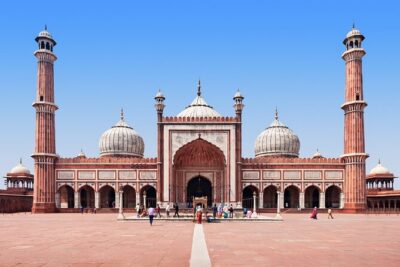
Same Day Taj Mahal, Agra Fort & Baby Taj Tour from Delhi by Car
Read our review →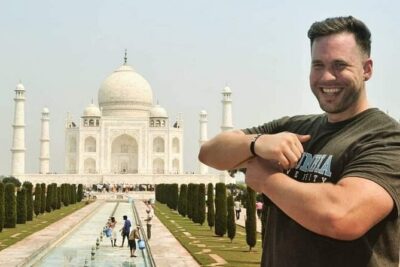
Taj Mahal Day Tour from Delhi by Superfast Train – TOP RATED TOUR
Read our review →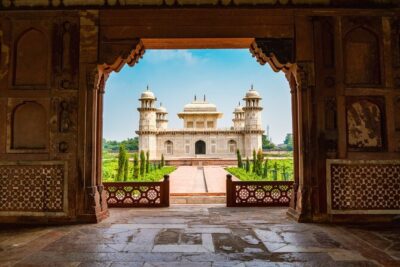
Full Day Taj Mahal, Agra Fort & Baby Taj Tour from Delhi by Car
Read our review →
Taj Mahal & Agra Private Day Trip with Transfers
Read our review →
Taj Mahal Tour from Delhi by Express Train (Viator Award Winner)
Read our review →