
Reviewed · GOLDEN TEMPLE TOURS
Amritsar: Golden Temple and Jallianwala Bagh Guided Tour
Golden Temple hits you fast. On this guided Amritsar outing, you’ll connect Sikh beliefs to real places, then switch gears to face the heavy memory of Jallianwala Bagh.
I especially love how the guide turns architecture and daily practice into clear stories you can actually use. The other big win for me is the Langar angle, including a behind-the-scenes look at how the community kitchen runs.
One consideration: the day is packed with meaningful stops, so if you want extra quiet time in the temple itself, you may want to plan a bit of solo time beyond the tour.
In This Review
- Key things to notice before you go
- Jallianwala Bagh first, so the context lands
- Entering Sri Harimandir Sahib, Golden Temple rules that keep things respectful
- Akal Takht and Baba Deep Singh Gurudwara, where devotion gets specific
- Amrit Sarovar and Dukh Banjan Beri, meaning beyond the photo
- Sikh Central Museum, Bunga Ramgarhia, and a reference library stop
- Langar backstage: free meals at huge scale
- Jallianwala Bagh and the Golden Temple together, an emotional balancing act
- What the tour includes, and why $18 per person can make sense
- Logistics you should plan around (without ruining the mood)
- Should you book the Amritsar Golden Temple and Jallianwala Bagh guided tour?
- FAQ
- How much does the Amritsar Golden Temple and Jallianwala Bagh guided tour cost?
- Where do I meet for the tour?
- Where does the tour end?
- What languages are the guides able to speak?
- What is included in the tour price?
- What is not included?
- Do I get to visit the Golden Temple and Langar during the tour?
- Are there any dress rules for the Golden Temple complex?
- Is there anything I should not bring?
- What other places besides the Golden Temple and Jallianwala Bagh are visited?
Key things to notice before you go
- Start at Jallianwala Bagh’s white-flame area, so the day opens with the 1919 memorial context before you go to sacred spaces
- Golden Temple dress rules matter, knees and shoulders covered, plus no tobacco or alcohol on site
- Akal Takht and Baba Deep Singh Gurudwara add depth beyond the main pool view
- Amrit Sarovar and Dukh Banjan Beri are explained as part of everyday devotion, not as a checklist photo stop
- Langar backstage access lets you see the behind-the-scenes work that supports the free meals
- Museum and reference stops help you understand Sikhism without needing to guess what you’re looking at
Jallianwala Bagh first, so the context lands
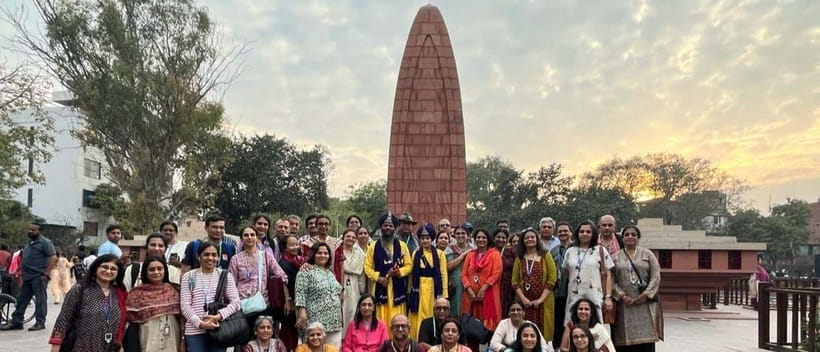
You meet outside the entrance gate of Jallianwala Bagh near the white flame statue, and that placement helps. Instead of jumping straight to the famous gold glow, the tour begins with the memorial garden tied to the 1919 tragedy.
This stop is solemn, and the guide’s job is to give you the basic frame so you can follow what you’re seeing. You’ll learn how Amritsar and its historical turning points connect to the wider story of India’s struggle for freedom, including the long arc that also touches the events leading to Partition in 1947.
I like this approach because it keeps your later temple visit from feeling like two unrelated checkboxes. You start with the human cost of history, then you move toward a faith system built around equality, service, and dignity.
Golden Temple tours readers book most in Amritsar:
- Golden Temple Guided Tour (Planet Amritsar Inc.)
★ 5.0 · 78 reviews - Amritsar Golden Temple Tour
★ 5.0 · 61 reviews - Golden Temple, Jallianwala Bagh, Partition Museum & Wagha Border – #Travellouge
★ 5.0 · 60 reviews
Entering Sri Harimandir Sahib, Golden Temple rules that keep things respectful
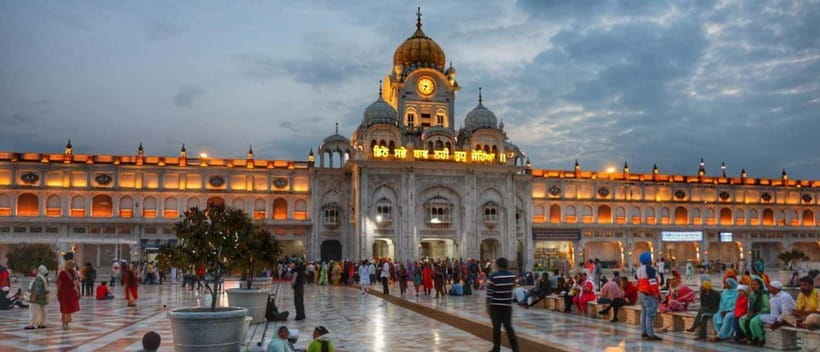
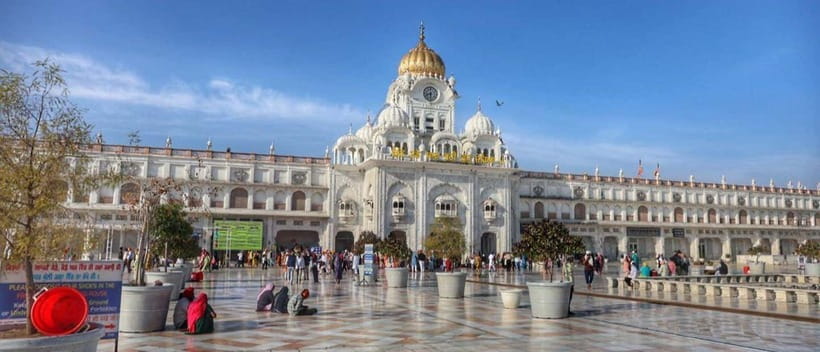
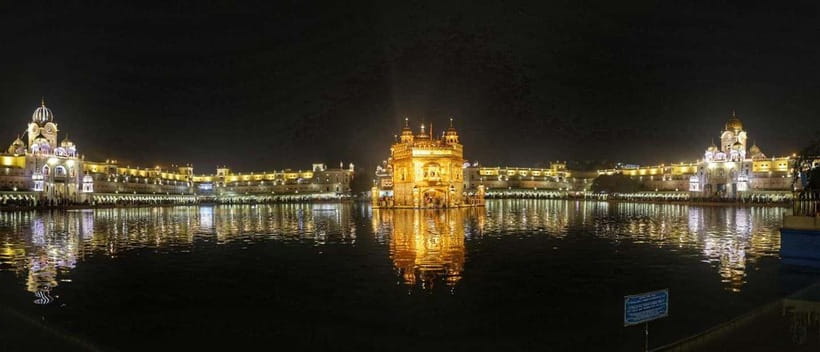
Next comes the Golden Temple complex, Sri Harimandir Sahib, and yes, it really is as visually striking as you imagine. But the calmer truth is this place works like a living ritual. Music floats around the temple area, and the atmosphere tends to feel peaceful and joyful at the same time.
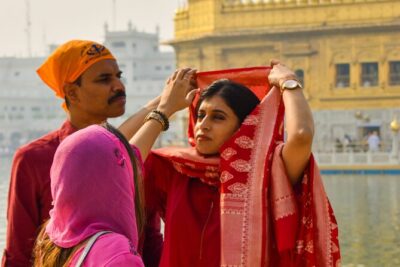
Before you go in, follow the dress guidance: cover knees and shoulders. It’s not just a “be polite” thing. It helps the space stay accessible for everyone, including local families and elders who are there for devotion, not sightseeing.
You also need to keep certain items away: no tobacco, no alcohol, no cigarettes, no e-cigarettes, and avoid anything described as unethical. It’s one of those practical rules that makes the whole visit smoother, because security and staff can focus on worship instead of policing behavior.
And a small but smart tip: go in with an open mind about what you’re looking at. The guide helps connect the architecture and layout to Sikh philosophy, so you understand why the temple looks the way it does, and why the pool and surrounding spaces matter.
Akal Takht and Baba Deep Singh Gurudwara, where devotion gets specific
The tour doesn’t stop at the “main photo spot.” You also visit places tied to Sikh leadership and courage, including Akal Takht and Baba Deep Singh Gurudwara.
This is where a guided explanation becomes much more valuable than an audio app. Akal Takht is tied to the spiritual and institutional heart of Sikh tradition, so you’re not just seeing another building. The guide’s storytelling helps you understand what the site represents, and how that meaning connects to Sikh identity.
Baba Deep Singh Gurudwara adds a different kind of emotional energy. Instead of focusing only on beauty, you get a sense of how Sikh history includes bravery, sacrifice, and faith under pressure. It helps the whole day feel grounded, not just visually impressive.
Guides can vary a bit, and you’ll notice different speaking styles, but the consistent theme is clarity. If you end up with a guide like Hardik, for example, you’re likely to get well-structured explanations about rites and how the city fits into the story. Another guide, Sonia, is noted for explaining things in a clear, upbeat way and answering questions without rushing you.
Amrit Sarovar and Dukh Banjan Beri, meaning beyond the photo
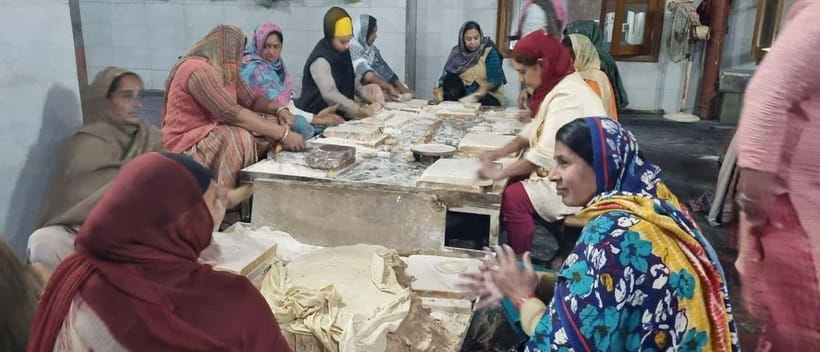
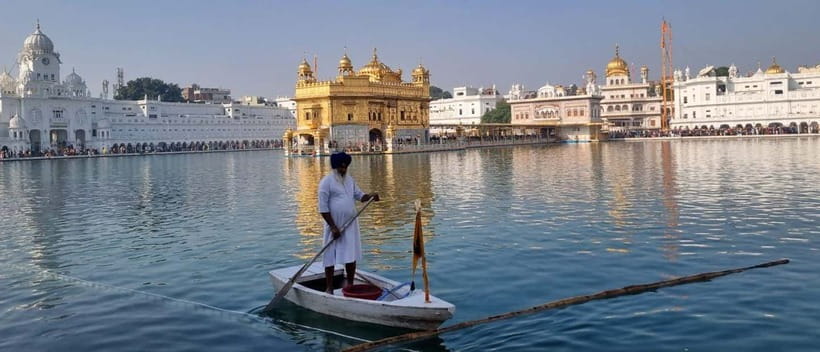
Amrit Sarovar, the sacred pool, is central to the Golden Temple experience. The guide explains the connection between devotion and everyday practices around the water, including the Holy Dip.
You’ll also hear about Dukh Banjan Beri, which is explained as part of the spiritual landscape of the complex. It’s the kind of stop that can feel confusing if you arrive with only tourist assumptions. With a guide, you learn what it represents and how devotees understand it.
The biggest takeaway here is mindset. Think of these stops as part of a lived rhythm. Even if you don’t participate in every practice, you’ll understand why people do what they do and why it’s meaningful to them. That shift from “what do I see” to “what does it mean” is the difference between collecting photos and actually understanding the place.
A few more Amritsar days to compare
- Amritsar City Tour ( Including Wagah Border Ceremony)
★ 5.0 · 262 reviews - Amritsar Excursion ( Private full day tour)
★ 5.0 · 211 reviews - Wagha Border Tour (Private tour )
★ 5.0 · 147 reviews - Real Village Tour Amritsar
★ 5.0 · 145 reviews
Sikh Central Museum, Bunga Ramgarhia, and a reference library stop
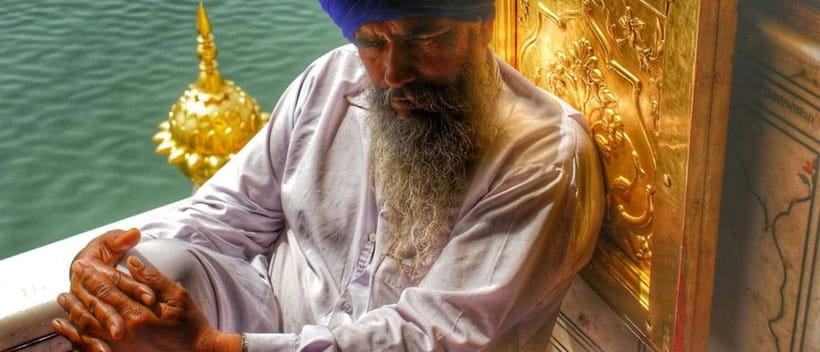
Another strength of this tour is that it fills in the background you’d otherwise have to look up later. You visit the Sikh Central Museum, plus Bunga Ramgarhia and the Sikh Reference Library.
Museums inside religious and community spaces can be hit or miss if you’re expecting only artifacts. Here, the focus is on how Sikhism developed and how communities preserve knowledge. The museum helps you get oriented, while the library and related places show that learning and preservation are part of the tradition, not an optional add-on.
I like these stops because they make your later observations click. When you walk past details in the temple complex, you start recognizing themes: community life, teachings, architecture, and how faith is practiced day after day.
If you prefer a guide who can explain without getting lost in jargon, you’ll probably appreciate the way guides like Deepak and Prarit Singhania are described, including balancing history with religion and culture in straightforward English (and sometimes smoother transitions across languages).
Langar backstage: free meals at huge scale
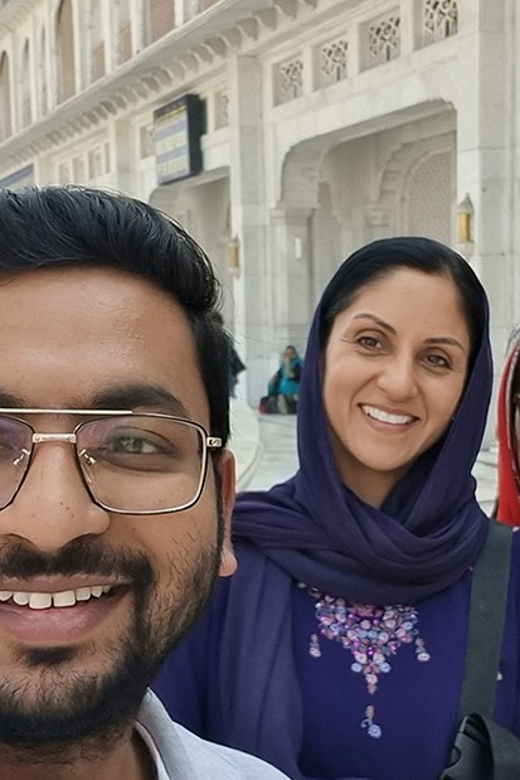
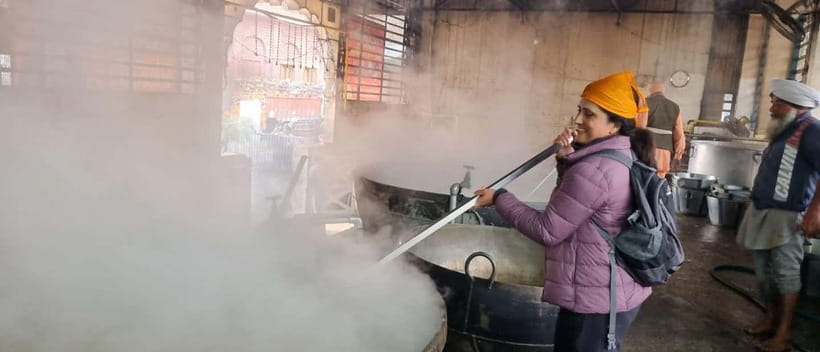
Then comes the part that surprised me in a good way: Langar, the community kitchen. This tour includes the live operations and what feels like backstage access to how it runs.
Langar is free food for everyone. The tour description notes that 50,000 to 150,000 people can be fed daily, and even if you take that as a wide range, it signals the scale you’re walking into. It’s not “a nice idea.” It’s logistics, teamwork, and routine.
The guide’s explanation helps you see it as Sikhism made practical. In a world where food can be tied to status, Langar is structured to remove those barriers. Everyone eats. Everyone helps in some way, even if it’s just by participating respectfully in the flow.
One more detail that matters: you’ll likely get a chance to watch operations firsthand, so you see that the kitchen is organized like a real system. That makes the experience more than a photo with a ladle.
And because you learn the philosophy first, you’ll appreciate the food more. Even if you skip the meal during your visit because food isn’t included, you’ll still understand why people treat this part of the day as sacred.
Jallianwala Bagh and the Golden Temple together, an emotional balancing act
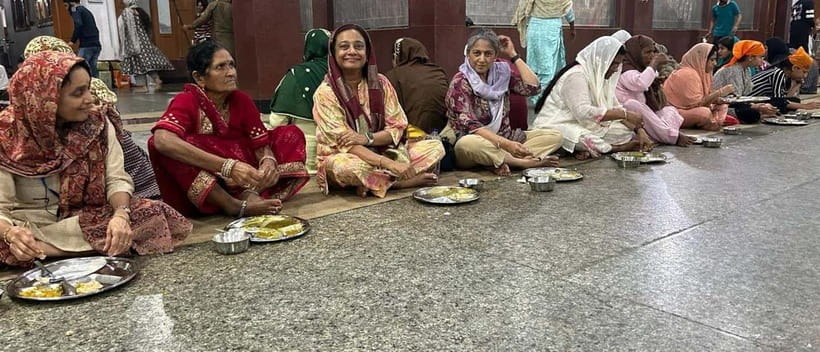
Pairing these two sites is bold. It also makes sense. The Jallianwala Bagh memorial asks you to remember harm and injustice tied to British rule in 1919. The Golden Temple experience asks you to witness a faith built to counter division through shared worship and shared meals.
You might not walk out feeling light. You might walk out feeling both moved and steadier, because the guide helps you hold the contrast without rushing past either side.
If you’re trying to understand why Sikhism, Amritsar, and modern Indian history are connected, this pairing helps. One guide example from earlier experiences includes taking the storytelling from the early construction era to the 1919 events and even the lead-up to Partition in 1947. That kind of timeline framing is useful if you want to go beyond surface understanding.
What the tour includes, and why $18 per person can make sense
The price is $18 per person, and in Amritsar that can be good value when what you want is meaning, not just movement.
Here’s what you get: local storytelling by a guide in Hindi, English, and Punjabi (based on your convenience), interesting stories, and a mix of local life experience plus “hidden gems,” meaning you’re not limited to only the most obvious stops.
What you don’t get: transportation and food, plus personal expenses. That matters because if you’re not already positioned near the meeting area, you’ll need to sort out your own travel to the tour start.
So who is this best for? I think it fits travelers who:
- want a guided explanation for the Golden Temple complex beyond architecture photos
- care about understanding Sikhism through places like the museum and reference library
- like structured context for Jallianwala Bagh rather than reading it after the fact
Who might feel less satisfied? If you want long, slow time only in the temple’s calm areas, the schedule’s density can feel a bit much. One person specifically wished for more time in the temple proper, and that’s the clearest trade-off I see based on how people talk about the pacing.
Logistics you should plan around (without ruining the mood)
You meet outside the entrance gate of Jallianwala Bagh near the white flame statue, and the tour ends back at the same meeting point. That is simple for navigation.
Also remember the practical rules for the Golden Temple complex. Plan clothing in advance so you don’t end up scrambling on arrival. And keep your bag clean of restricted items described by the tour, including tobacco and alcohol-related items.
Finally, if you want to ask questions, this is the kind of tour where you should. Guides often have strong local context and can share practical city tips along the way, which can help you organize the rest of your Amritsar time.
Should you book the Amritsar Golden Temple and Jallianwala Bagh guided tour?
If your goal is to understand Amritsar, not just photograph it, I’d book this. The standout value is the pairing of sacred practice and historical memory, plus the way you get guided context for multiple sites, including Akal Takht, museum and reference stops, and Langar with a backstage look at operations.
The one reason to think twice is pacing. If you want hours of quiet temple time with no other stops, you might do better adding a separate solo visit after this tour, so you get both guided context and unhurried calm.
If you’re visiting for the first time in Punjab and want one tour that covers the big emotional and cultural pillars of the city, this is a strong pick.
FAQ
How much does the Amritsar Golden Temple and Jallianwala Bagh guided tour cost?
The price is $18 per person.
Where do I meet for the tour?
You start outside the entrance gate of Jallianwala Bagh near the white flame statue.
Where does the tour end?
The activity ends back at the meeting point.
What languages are the guides able to speak?
The storytelling is available in English, Hindi, and Punjabi, according to your convenience.
What is included in the tour price?
Included: storytelling by a local guide, interesting stories, local life experience, and hidden gems.
What is not included?
Not included: transportation, food, and personal expenses.
Do I get to visit the Golden Temple and Langar during the tour?
Yes. The tour includes the Golden Temple (Sri Harimandir Sahib) and a Langar visit, including live operations and exclusive access to the backstage of the community kitchen.
Are there any dress rules for the Golden Temple complex?
Yes. You need to wear clothes covering your knees and shoulders to enter the Golden Temple complex.
Is there anything I should not bring?
Yes. You should not carry tobacco, alcohol, cigarettes, e-cigarettes, or any other unethical stuff.
What other places besides the Golden Temple and Jallianwala Bagh are visited?
The tour also includes Akal Takht, Baba Deep Singh Gurudwara, the Sikh Central Museum, Bunga Ramgarhia, the Sikh Reference Library, Dukh Banjan Beri, a Holy Dip in Amrit Sarovar, and Langar.
Recently added around Amritsar
- Amritsar Heritage Walk: “Back in Time”★ 4.9 · 16 reviews
- Amritsar: Beating Retreat Ceremony, Sadda Pind and Dinner★ 4.3 · 7 reviews
- Amritsar Full Day Guided Tour★ 4.7 · 8 reviews
- Amritsar Food Tour★ 5.0 · 12 reviews
- Amritsar: Golden Temple, Jallianwala Bagh, Wagah Border Tour★ 4.8 · 33 reviews
- Amritsar: Small Group Sightseeing Tour with Wagah Border★ 4.6 · 92 reviews
- Amritsar Full Day Tour with Wagah Border (Travelers Choice 2024)★ 5.0 · 61 reviews
- Amritsar Wagah Border Flag Ceremony.★ 5.0 · 86 reviews
Golden Temple Tours, compared.
Golden Temple Guided Tour (Planet Amritsar Inc.)
Read our review →
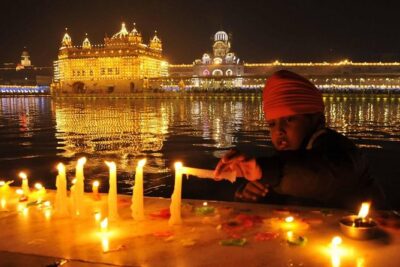
Golden Temple, Jallianwala Bagh, Partition Museum & Wagha Border – #Travellouge
Read our review →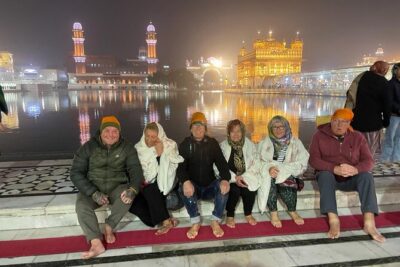
Golden Temple Night Ceremony and Light Visit Tour with Pick-Drop
Read our review →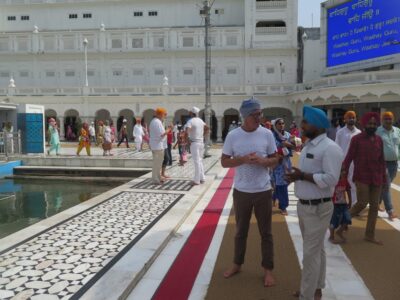
Golden Temple, Jallianwala Bagh, Wagah Border Tour
Read our review →Browse the lists this tour appears in