
Reviewed · KERALA BACKWATERS
Alleppey Homely Cooking Class
A home kitchen in Kerala is a whole experience by itself. This Alleppey cooking class shows you the ingredients and techniques behind classic homely Kerala food, and it ends with a proper meal plus tea and dessert. I like the fact that it is intimate and English-friendly, led by host Shilpa, so you can actually ask questions instead of just watching. One thing to plan around, if you have food allergies, this class is not suitable.
You will be cooking and eating at a local home, not in a hotel demo room. From the way it is described, you’ll move through recipe steps with an English-speaking host, learn how Kerala flavors are built, and sit down to dishes served in a traditional style (often on banana leaves) with rice or appam. The biggest consideration for most people is logistics: this experience meets at the home and pickup is not included.
In This Review
- Key things that make this cooking class worth your time
- Why an Alleppey homely cooking class beats the tourist version
- The practical side you should know upfront
- What you’ll do during the 3 hours, step by step
- Welcome, tea, and Kerala ingredient mindset
- Cooking Kerala dishes with rice or appam
- Eating together, in a traditional style
- Who this class is best for
- Price and value: $32 for a full Kerala meal lesson
- Logistics: meeting at the home, no pickup included
- What to ask before you book
- The overall vibe: intimate, conversational, and food-first
- Should you book the Alleppey homely cooking class?
- FAQ
- How long is the Alleppey Homely Cooking Class?
- Where does the class meet?
- Is pickup or transportation included?
- What is included in the price?
- What dishes can I expect to eat?
- Is the class English-speaking?
- Is it a private group?
- Are there any restrictions on alcohol or drugs?
- Is the class suitable for people with food allergies?
Key things that make this cooking class worth your time
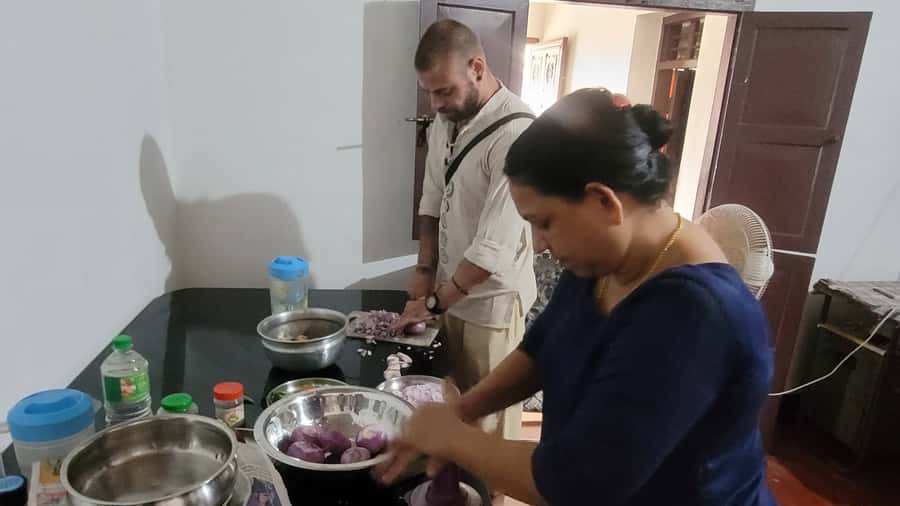
- A real homely Kerala setup at the host’s home, with family around and lots of conversation.
- English-speaking host Shilpa, with clear ingredient explanations and practical cooking tips.
- Spice adjusted to you, so the food stays tasty even if you are not chasing full heat.
- A menu that teaches Kerala flavor, from fish pollichathu and fish curry to avial, thoran, and payasam.
- Tea and dessert finish, with Kerala-style strong tea and a creamy sweet like payasam.
Why an Alleppey homely cooking class beats the tourist version
If you want Kerala food to make sense, not just taste good, a home-style class is the shortcut. This one is set up for small, private interaction, where the focus is on the way Kerala cooking actually works at home: understanding spice blends, coconut use, tangy notes, and how textures come together.
I also like the emotional side of it. Several details point to Shilpa and her family making space for talk, not just instruction. That matters. Food sticks in your brain when you connect it to a person, a place, and a story about why certain ingredients show up again and again.
More Cooking classes in Trivandrum & Kovalam:
- Pink City Cooking Class
★ 5.0 · 452 reviews - Five Course Cooking Class & Meal
★ 5.0 · 250 reviews - Veg and Non veg : Private Cooking Class in Delhi home (7 meal)
★ 5.0 · 226 reviews
The practical side you should know upfront
This is a 3-hour experience in Kerala, priced at $32 per person. It is a private group with an English-speaking host, and it includes lunch or dinner plus tea. You will meet at the home (and nearby relatives live close by), so you are not starting from a big central pickup point.
What you’ll do during the 3 hours, step by step
The class is built like a workflow: welcome and ingredients, cooking Kerala favorites, then eating everything together. Expect a hands-on feel, with explanations as you go.
Welcome, tea, and Kerala ingredient mindset
You start with Kerala-style tea before the cooking really takes over. The tea here is known for being strong and flavorful, often brewed with spices such as cardamom and ginger, and served with milk and sugar. It is a small detail, but it sets the rhythm. Kerala meals are rarely built around one star ingredient, they are built around balance.
Then you get introduced to key ingredients for Kerala cuisine. In a homely style class, that usually means you are not just told the names. You learn how coconut, spices, tangy elements, and fresh aromatics contribute to the final dish.
A few more Kerala Backwaters around Trivandrum & Kovalam:
- Alleppey: Shikara Boat Ride with Village Tour & Canal Cruise
★ 4.4 · 65 reviews - Kayaking in Mangrove Forest of Paravur Backwaters near Varkala and Kollam
★ 4.5 · 36 reviews - Kerala: Alappuzha River Cruise with Village Walk
★ 4.3 · 25 reviews - Cochin: Backwater Village Eco Boat Cruise with Lunch
★ 4.8 · 502 reviews
Cooking Kerala dishes with rice or appam
The meal spread centers on Kerala comfort food. The dishes listed below are described as being served with rice or appam, so you should plan to eat well, not snack lightly.
Here’s what each dish teaches you, and why it’s central to Kerala cooking:
Fish Pollichathu
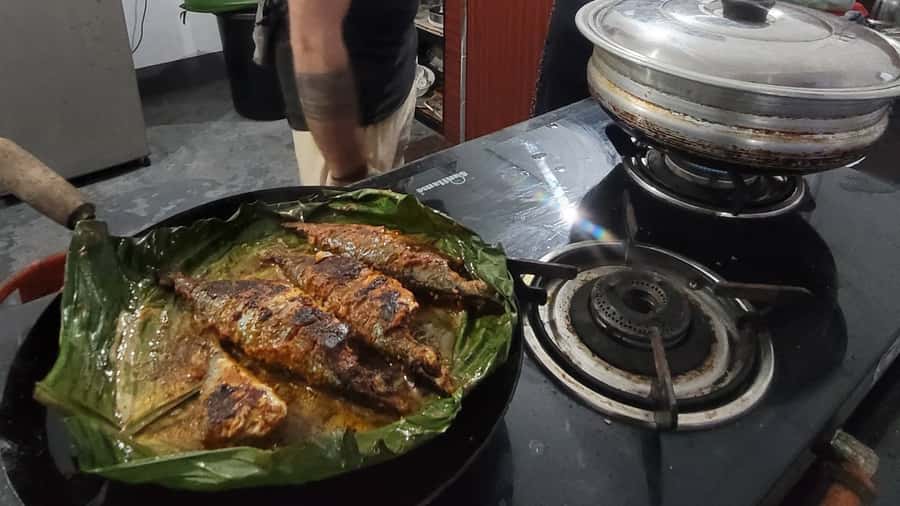
This is the classic Kerala fish preparation where fish is marinated with spices, wrapped in banana leaves, then grilled or steamed. The banana leaf is more than decoration. It helps perfume the fish and adds a subtle, earthy flavor that you simply do not get with plain pan cooking. Even if you are not a “fish person,” this is often the dish that changes minds.
Fish Curry
Kerala fish curries are a whole category, usually built on coconut milk plus spice blend. You also get tanginess, often from tamarind or raw mango. That tang is a big part of why these curries feel lively, not heavy. If you have ever wondered how curry can taste both creamy and bright, this is where you learn the trick.
Prawns Puttu
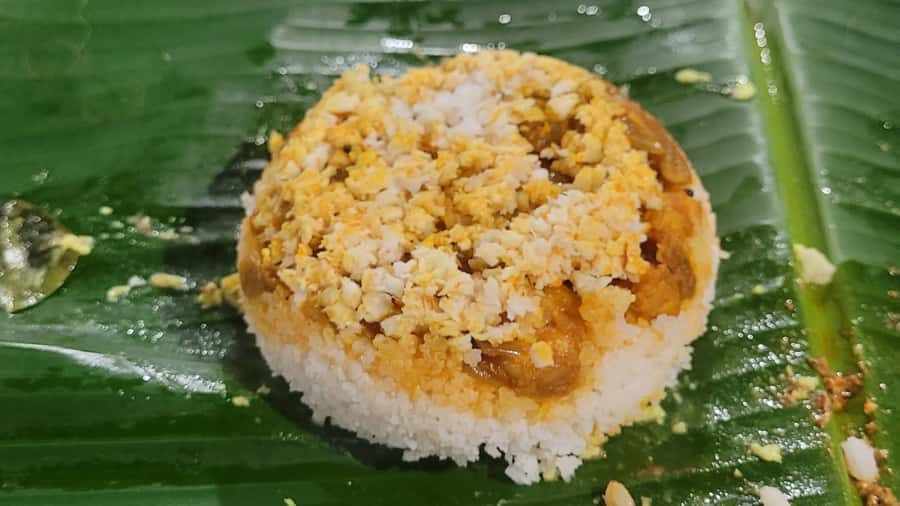
Prawns puttu combines ground prawns, grated coconut, and spices, then steams into a distinctive shape. Depending on how it is prepared, it may be steamed in bamboo shoots or cylindrical molds. Even if you do not cook it the same way at home, it teaches a practical lesson: steam cooking keeps seafood tender while coconut and spices carry flavor gently.
Avial
Avial is one of Kerala’s best-known mixed vegetable dishes. It’s cooked with coconut and yogurt, seasoned with coconut oil and curry leaves. The flavor is mild and slightly tangy, which makes it a great counterpoint to richer curries. It also shows you how Kerala balances “comfort” and “brightness” in the same bowl.
Thoran
Thoran is a dry vegetable dish built on grated coconut with vegetables such as beans, cabbage, or carrots. It’s typically flavored with mustard seeds and curry leaves. Dry curries can sound boring until you understand the role of tempering and coconut. This is the dish that helps you realize Kerala cooking is often about technique, not just ingredients.
Pickle
Pickles are a major part of Kerala cuisine, not an afterthought. Mango pickle and lime pickle are common, made with marinated fruits or vegetables in a spice, salt, and oil mixture. In a meal, pickle acts like a flavor spark, cutting through richness and making each bite feel fresh.
Papad
Papad, or papadam, is the thin, crispy flatbread served as a side or appetizer. In Kerala, papad is often made with rice flour. It adds texture and crunch, which is valuable when the rest of the meal is coconut-based and soft.
Payasam (dessert)
This is where the class earns its “save room” reputation. Payasam is a sweet, creamy dessert made with milk and sugar, often with jaggery. It can include flavors like cardamom or saffron and sometimes nuts. A famous variation is Ada Pradhaman, made with rice flakes and jaggery. If tea is the warm start, payasam is the warm landing.
Eating together, in a traditional style
After cooking comes the best part: sitting down and eating everything you made. One review notes meals served in a traditional way on banana leaf, which is exactly the kind of detail that makes you remember the experience later.
Also, the host is described as catering to spice tolerance. That is practical. Kerala cooking can be wonderfully spiced, but you should not feel forced into “burning for authenticity.” Ask for your preference and you’ll likely get something that still tastes Kerala, just in your comfort zone.
Who this class is best for
This is a great fit if you want more than recipe names. You’ll enjoy it if you:
- want to learn why Kerala flavors work, especially coconut, tempering, and tang
- like intimate, home-based experiences with conversation
- care about eating a full meal, not just tasting bites
- want an English-speaking host, so you can ask questions while you cook
It is not the right choice if you have food allergies. The data also says the class does not allow alcohol or drugs, so keep that in mind if you are planning a “night out” kind of activity.
Price and value: $32 for a full Kerala meal lesson
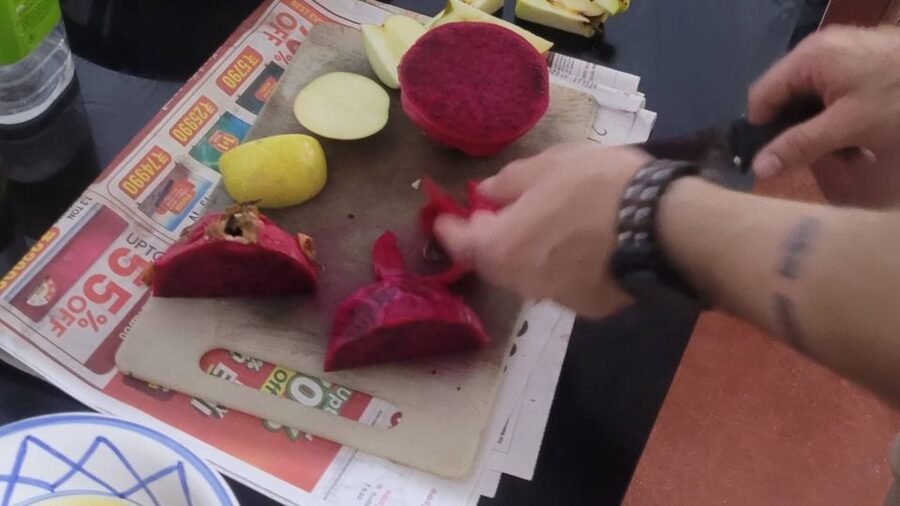
At $32 per person for about 3 hours, the value is mostly in what you get at the table. You are paying for instruction plus a meal plus tea, with a private group format. That combination is what turns it from “a cooking demo” into “a useful skill plus a satisfying meal.”
You also get something harder to price: access to home-style explanations. In past experiences like this, I have found the most useful part is learning the order of operations and the reasoning behind spice and coconut ratios. One review specifically calls out that Shilpa was responsive with messages and made the evening feel like real time together, including recipe talk and life talk.
Logistics: meeting at the home, no pickup included
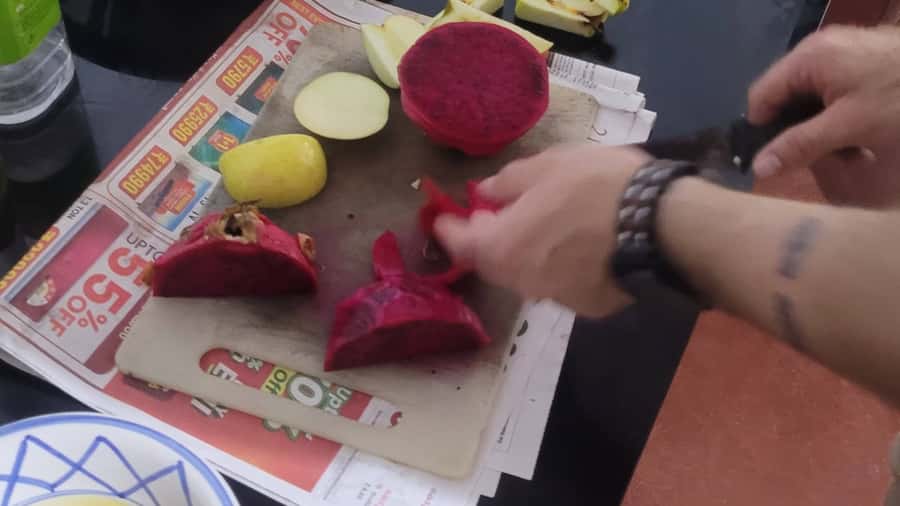
The meeting point is the host’s home. Pickup or transportation is listed as not included. That means you should plan to get yourself there comfortably.
One past guest mentioned pick and drop off, so there may be exceptions or help depending on timing and location. I would treat that as a nice bonus, not a guarantee. If you want a smooth start, confirm the exact meet address and the expected time window before you go.
What to ask before you book
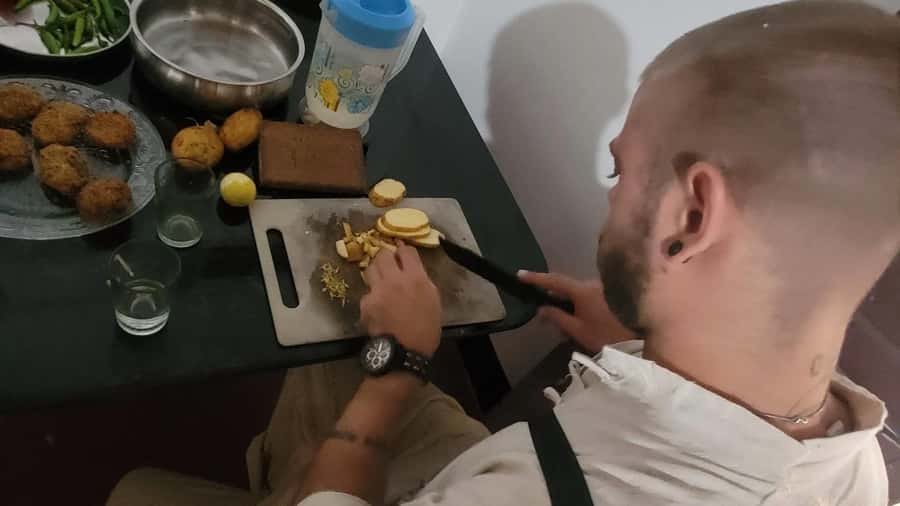
This class is simple, but a few questions can save you stress:
- Let the host know your spice tolerance upfront.
- Confirm what rice or appam options will be served that day.
- If you have any allergy concerns, assume you will not be suitable since the class is not designed for food allergies.
Also, because this is a home kitchen, come with an appetite and a relaxed attitude. You are stepping into someone’s daily cooking rhythm.
The overall vibe: intimate, conversational, and food-first
The strongest repeated theme is warmth. Shilpa is described as friendly, responsive, and a very good cook. Guests mention spending hours talking through recipes and life, and that the family welcomed them into the home and helped them feel comfortable.
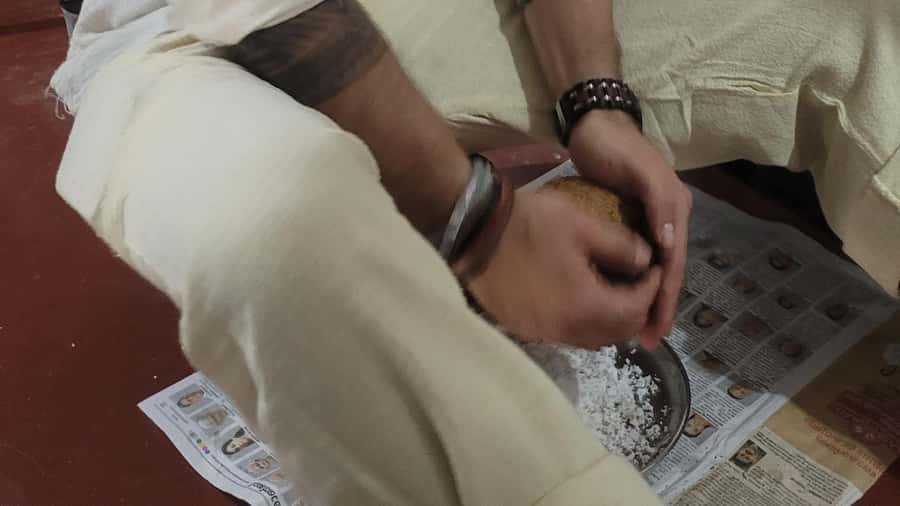
You should expect a session that is part cooking lesson, part meal, and part cultural exchange. The coconut grater is mentioned as a tool some people had never seen before. That kind of detail is exactly how you learn what to look for when you try these recipes later at home.
And yes, payasam is a standout. If you like dessert with real character, plan to savor it instead of rushing.
Should you book the Alleppey homely cooking class?
I think you should book if you want a real Kerala cooking experience with an English-speaking host, and you value a home setting over a formal workshop. The price is reasonable for a 3-hour, private-group session that includes lunch or dinner, tea, and dessert, plus a menu that teaches core Kerala dishes like fish pollichathu, fish curry, avial, thoran, and payasam.
Skip it if you need allergy-friendly customization, or if you want everything handled with transportation. This is about you showing up at a local home and learning by doing.
FAQ
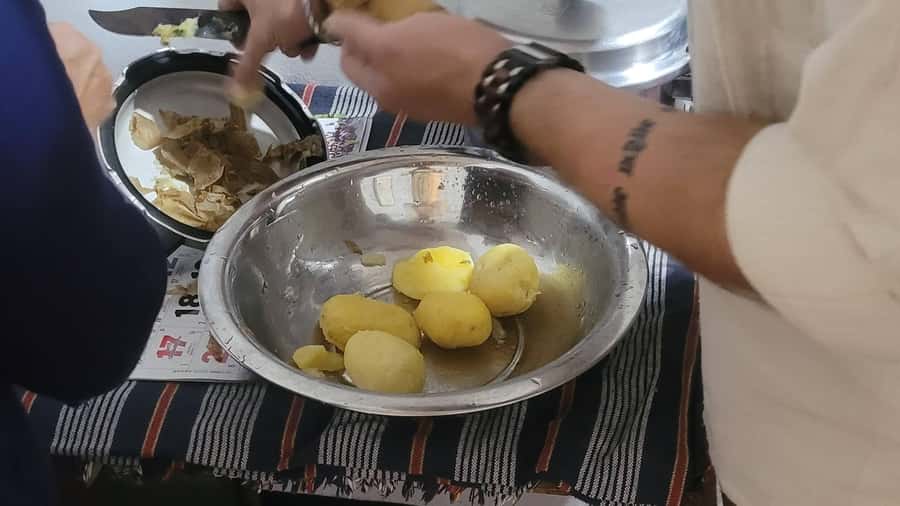
How long is the Alleppey Homely Cooking Class?
The cooking class runs for 3 hours.
Where does the class meet?
It meets at the host’s home, with nearby family living in the area as well.
Is pickup or transportation included?
No, pickup or transportation is not included.
What is included in the price?
The class includes the Kerala cuisine cooking class, lunch or dinner, tea, and an English-speaking host.
What dishes can I expect to eat?
The experience includes dishes such as fish pollichathu, fish curry, prawns puttu, avial, thoran, pickle, papad, payasam, and Kerala-style tea, typically with rice or appam.
Is the class English-speaking?
Yes, the host or greeter speaks English.
Is it a private group?
Yes, it is described as a private group.
Are there any restrictions on alcohol or drugs?
Alcohol and drugs are not allowed.
Is the class suitable for people with food allergies?
No, it is not suitable for people with food allergies.
Recently added around Trivandrum & Kovalam
- Kerala: Alappuzha River Cruise with Village Walk★ 4.3 · 25 reviews
- Heritage & Cultural Walk of Trivandrum Guided Walking Tour★ 4.4 · 19 reviews
- Heritage Trivandrum Photography Walk Tour With Tuk Tuk Ride★ 3.8 · 10 reviews
- Heritage & Cultural Walk of Trivandrum 2 Hour Guided Walking Tour★ 4.5 · 29 reviews
- Alleppey: Shikara Boat Ride with Village Tour & Canal Cruise★ 4.4 · 65 reviews
- Spiritual Walk Tour Trivandrum (Guided Walking Experience)★ 4.6 · 87 reviews
- Kayaking in Mangrove Forest of Paravur Backwaters near Varkala and Kollam★ 4.5 · 36 reviews
Kerala Backwaters, compared.
Cochin: Backwater Village Eco Boat Cruise with Lunch
Read our review →

5 Days Luxury Kerala Tour with Houseboat Experience
Read our review →
4 Days Best of Kerala Tour with Private Houseboat, Sightseeing & Car
Read our review →
6 Nights 7 Days Kerala Private tour with Hillstations,Backwater &Beaches
Read our review →
8 Days Kerala Private Tour (3 Star) with Munnar, Houseboat & Cab- Iris Holidays
Read our review →
Half Day Village Backwater Eco Country Boat Cruise :Group Tour from Fort Cochin
Read our review →
5 Days Private Kerala Tour with Houseboat by Sanguine Holidays
Read our review →Browse the lists this tour appears in