
Reviewed · GOLDEN TRIANGLE TOURS
Adventurous & Classical India Curated Journey: South & Golden Triangle
Mumbai to Delhi, with history in every turn.
This is the kind of India trip that moves fast, but in a smart way: you get UNESCO sites and big cultural landmarks across South India and the Golden Triangle without doing the planning math yourself. You’ll see cave temples in Mumbai, rock-cut wonders in central India, royal architecture in Rajasthan, and the Mughal masterpieces people fly halfway around the world for.
What I like most is the logistics. Domestic flights and private car travel between major cities mean you spend energy on sightseeing, not on transit chaos. I also like that the trip is built around clear contrasts, from Shiva at Elephanta to the hard, real texture of Dharavi to the clean lines of Taj Mahal at sunset.
One thing to consider: the days are packed with major sights and often long stretches on the go, so if you want slow travel and lots of breathing room, this may feel like a lot. Also, Dharavi is emotionally heavy for some people, even when it’s handled respectfully and efficiently.
In This Review
- Key Points You’ll Actually Notice
- A 15-Day South and Golden Triangle Route That Feels Like a System, Not Chaos
- Mumbai’s Elephanta Caves and Gateway of India, Then Dharavi and Dhobi Ghat
- Hampi’s Royal Stone World: Mahanavami Dibba, Lotus Mahal, Virupaksha Temple
- Exploring Hampi Proper Without Feeling Like You’re Carrying the World
- Ajanta Caves and Ellora Caves: Buddhist Rock Art and Multi-Faith Power
- Bibi-Ka-Maqbara, Then Mughal-Inspired Plates in the Deccan
- Jaipur Palaces, Hawa Mahal Windows, and Worship at Govind Dev Ji
- Jantar Mantar, Fort Rings, Albert Hall, and the City’s Many “Edges”
- Taj Mahal Sunset, Then the Full Agra Trio: Fort and the Bachcha Taj
- Delhi’s UNESCO Mix: Qutb Minar, Humayun’s Tomb, India Gate, Red Fort
- Akshardham, Bangla Sahib, Gandhi Memorial Hall, and Jama Masjid
- Price and Logistics: What $1,920 Gets You, and What You Still Need to Plan
- Should You Book This South and Golden Triangle Combo?
- FAQ
- How long is the tour?
- Where does the tour start and where does it end?
- What’s included in the price?
- Is this a private tour?
- Is pickup included?
- What is the cancellation policy?
Key Points You’ll Actually Notice
- Private driver-led movement across multiple cities keeps transitions smooth (and calmer than you’d expect)
- A strong mix of UNESCO stops like Elephanta, Hampi, Ajanta, and Ellora gives real range, not just one theme
- Jaipur is split into royal, observatory, and fort layers, so the city feels like one story told in steps
- Taj Mahal time is prioritized, including a sunset viewing angle before the full daytime visit
- Guides and drivers are repeatedly praised by name, including Sandeep and drivers like Bhanwar Singh and Mudaram
- Breakfasts and accommodation are included, which matters on a trip this long and cross-regional
A 15-Day South and Golden Triangle Route That Feels Like a System, Not Chaos
This tour’s big idea is simple: combine the classic Golden Triangle (Delhi, Agra, Jaipur) with standout South India anchors (Hampi, Ajanta, Ellora). You get two different versions of India in one sweep, without the usual problem of switching travel styles mid-trip.
You also get a strong structure. You’re not guessing where to go next, how long it takes, or what order makes sense. Private car travel between major cities and domestic flights reduce the time sink you normally feel on a country as large as India.
The best part for me is the pacing. It’s still active, but the focus is on major sights you can connect to each other. For example, you move from cave temple art to Hindu monumental architecture, then to Mughal marble and forts. The trip keeps themes rolling forward, even when you’re changing regions.
Golden Triangle tours readers book most in New Delhi:
- 3-Days Private Golden Triangle Tour: Delhi, Agra & Jaipur by Car
★ 5.0 · 1,107 reviews - 3-Days Private Golden Triangle Tour: Delhi, Agra & Jaipur by Car
★ 5.0 · 1,098 reviews - 3-Day Delhi, Agra and Jaipur Private Tour – India Golden Triangle
★ 5.0 · 812 reviews
Mumbai’s Elephanta Caves and Gateway of India, Then Dharavi and Dhobi Ghat
Mumbai day one starts with the Elephanta Caves, a UNESCO World Heritage Site devoted largely to Shiva. You’ll spend about two hours there, which is a solid chunk of time for cave temples that reward careful looking. If you like religious art that looks carved, not built, this is a great start. Plan for a lot of steps and uneven surfaces.
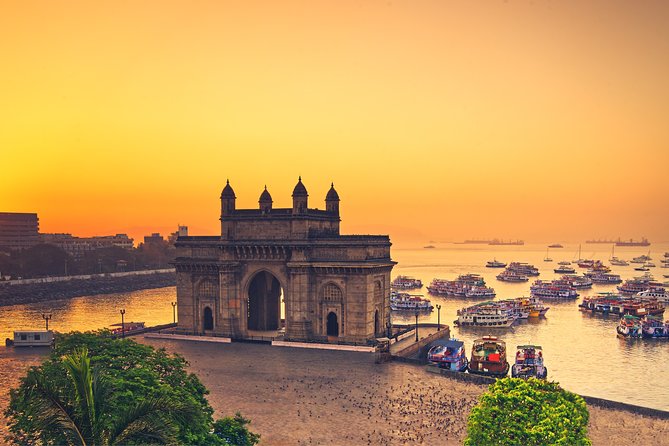
Then comes the Gateway of India. It’s a twentieth-century arch monument tied to the 1911 landing of King-Emperor George V and Queen-Empress Mary. It’s one of those landmarks you might see in photos, but it lands differently when you stand there with the harbor energy around you. This stop is short, about an hour, which keeps you from burning the day too quickly.
Day two is where Mumbai gets real. You’ll visit Dharavi for about two hours. It’s known as one of the largest slum areas in the world and it’s been widely referenced in global pop culture. The practical point for you: treat this stop as human scale, not a sightseeing checklist. Wear comfortable shoes and keep your expectations grounded.
After that, you’ll see Dhobi Ghat, the open-air laundromat where dhobis clean hotel and hospital linens. It’s less about monuments and more about how a city actually functions. Watching the workflow and the rhythm of the place can be oddly calming after the intensity of Dharavi.
And then you have Colaba Market and the Colaba Causeway area, about three hours. This is the part where you can shop without a hard plan. It’s everyday street-level chaos in a good way, and it’s where you’ll find everything from simple souvenirs to useful travel items.
Hampi’s Royal Stone World: Mahanavami Dibba, Lotus Mahal, Virupaksha Temple
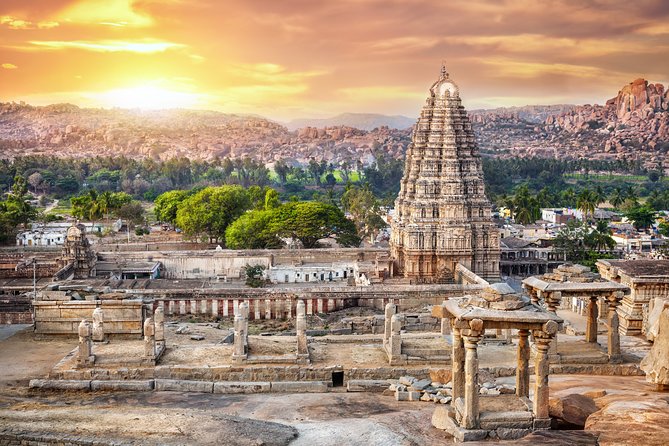
Once you reach Hampi, the scenery shifts to a different kind of time. Hampi is famous for the ruins of the Vijayanagara kingdom, and it’s a UNESCO World Heritage Site. The place feels like an open-air museum where the stones themselves explain the story.
You start with the Mahanavami Dibba, also called Dasara Dibba or the Mahanavami Dibba. It’s a stone platform in the Royal Enclosure, built during the Vijayanagara period by King Krishnadevaraya to commemorate his victory over Udaygiri. Even if you only catch the basic meaning, the structure helps you understand how power and ceremony were built into the layout.
Next is the Lotus Mahal. This ancient stone palace structure sits in tranquil gardens with arches and detailed carvings. The mood here is lighter than the surrounding ruins, and it’s a good mental reset between heavier temple stops.
Virupaksha Temple follows, and this one is a big deal. It’s part of the UNESCO Group of Monuments at Hampi and dedicated to Lord Virupaksha, a form of Shiva. You’ll have a long window, around six hours tied to this stop, which matters because Hampi rewards time. If you rush it, you miss the way the architecture connects to the landscape.
Exploring Hampi Proper Without Feeling Like You’re Carrying the World
Hampi itself is the main event on the next stretch, with about six hours set aside. You’ll take in the medieval Hindu kingdom ruins, monolithic sculptures, and monuments made with excellent workmanship. This is the kind of site where you start seeing patterns, like how the builders repeated motifs and used the terrain.
A practical note for you: bring sun protection and plan for uneven ground. The ruins can be photo friendly, but they are also physically demanding. With a private setup, you can move at a sensible pace instead of being swept along like a numbered ticket.
A few more New Delhi days to compare
- Old & New Delhi City Tour – Half or Full Day Options Available
★ 5.0 · 4,811 reviews - Half Day Private Delhi City Tour
★ 5.0 · 4,474 reviews - Same Day Taj Mahal, Agra Fort & Baby Taj Tour from Delhi by Car
★ 5.0 · 4,304 reviews - Taj Mahal Day Tour from Delhi by Superfast Train – TOP RATED TOUR
★ 5.0 · 4,166 reviews
Ajanta Caves and Ellora Caves: Buddhist Rock Art and Multi-Faith Power
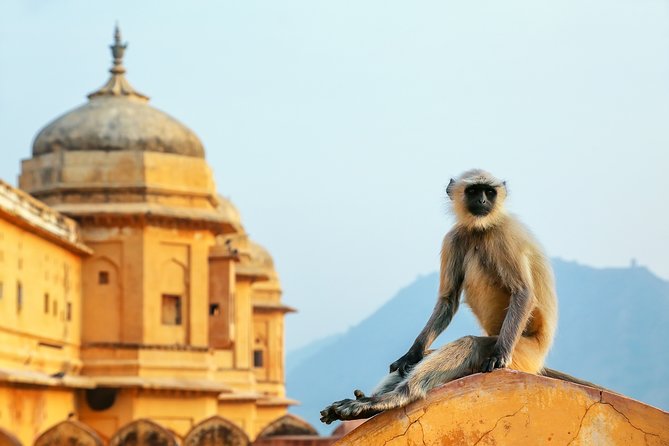
After Hampi, you shift from temple ruins in stone to cave monuments carved into rock. Ajanta Caves are UNESCO-listed and date from the second century BCE to about 480 CE. You’ll have about five hours here, and that’s enough to take in the scope without turning it into a blur. These are Buddhist rock-cut cave temples where the art feels like it was built to last, because in many ways it has.
Then comes Ellora, another UNESCO World Heritage Site. Ellora is massive and unique because it includes Hindu, Buddhist, and Jain monuments within one complex, dating roughly from 600 to 1000 CE. You’ll have around six hours, and you’ll likely feel how the style shifts between faith traditions while the setting stays consistent.
This is a strong pairing for your brain. Ajanta gives you one major language of rock-cut Buddhism. Ellora shows you religious conversation over centuries, not just one isolated tradition.
Bibi-Ka-Maqbara, Then Mughal-Inspired Plates in the Deccan
There’s a second stop-day in the same region that adds variety. You’ll visit Bibi-Ka-Maqbara, also called The Lady’s Tomb, a burial mausoleum of Aurangzeb’s wife Rabia, known as The Taj of the Deccan. The name alone tells you what to look for. It’s a reminder that Mughal influence didn’t stay politely inside one city.
You’ll also have time to taste cuisine influenced by the Mughal Empire, with items like pulao and biriyani mentioned as options. Since meals aren’t listed as fully included beyond daily breakfasts, this is where I suggest you set aside budget for lunch or dinner. The food here is part of what connects the monuments to daily life.
Jaipur Palaces, Hawa Mahal Windows, and Worship at Govind Dev Ji
Jaipur is where the trip leans harder into royal spectacle, but it’s still structured. You begin with the City Palace, established when the city of Jaipur was founded by Maharaja Sawai Jai Singh II in 1727. It’s a logical first stop because it anchors you to how the ruling court shaped the city.
Then you visit Amber Palace. It’s the kind of place where you instantly understand why this region became a magnet for visitors and rulers. It’s also one of those sites where time matters, because the visual details build slowly.
Hawa Mahal, the Palace of Wind, is next. It’s a five-storey palace built in 1799 by Maharaja Sawai Pratap Singh. The design is known for windows that let air move through, and the structure makes you think about how everyday comfort was engineered into beauty.
Then you’ll experience morning worship at the Vaishnava temple Govind Dev Ji. This is about adding a living religious layer to all the architecture. Even if you’re not there for rituals, it gives the trip a different kind of grounding.
Jantar Mantar, Fort Rings, Albert Hall, and the City’s Many “Edges”
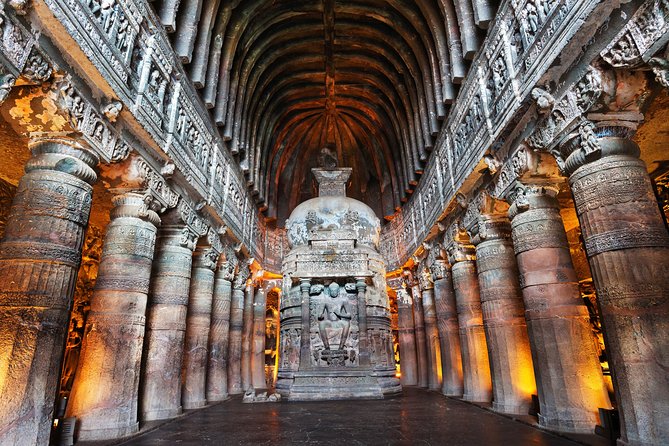
Your next Jaipur stretch covers observatory, forts, and museum life. You start with Jantar Mantar, an observatory built by Maharaja Jai Singh of Jaipur in 1724. The goal was astronomical tables to predict time and the movement of celestial bodies like the sun and moon. If you like the engineering side of history, this will feel especially relevant.
Then you’ll visit Jaigarh Fort, built by Jai Singh II in 1726 to protect the Amer Fort complex. It sits on the promontory called Cheel ka Teela of the Aravalli range and overlooks Amer Fort and Maota Lake.
Albert Hall Museum is included too, and it’s described as the oldest museum in Rajasthan functioning as the state museum. That gives you a break from monuments and a chance to see how the region organizes its cultural story.
Next you’ll have Birla Mandir, a beautiful Hindu temple, followed by Nahargarh Fort. Nahargarh once formed a defense ring with Amer Fort and Jaigarh Fort. The background story includes Nahar Singh Bhomia’s spirit, and it even mentions a temple built to pacify it. It’s the kind of legend that makes forts feel less like walls and more like settings.
Finally, Royal Gaitor Tumbas add a quiet, white-marble moment in a valley at the mountain’s foot. This is a good close to a long fort-and-palace day.
Taj Mahal Sunset, Then the Full Agra Trio: Fort and the Bachcha Taj
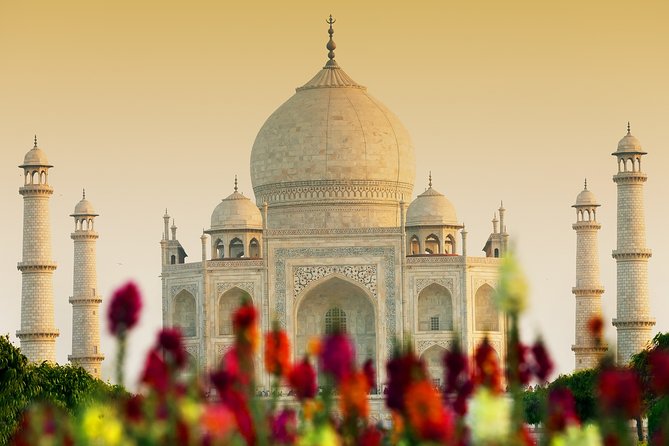
Agra starts with the Taj Mahal at sunset, about two hours. Seeing it near evening makes a difference. The marble shifts tone as the light changes, and you get the iconic view people come for, with a softer sky than midday.
Then you return to the Taj Mahal again, with about three hours for the daytime visit. You’ll learn the story: it was built between 1632 and 1647 by Mughal Emperor Shah Jahan as a shrine dedicated to Mumtaz Mahal, who died during childbirth. This second visit is helpful because the monument keeps revealing itself as you move, and daylight helps with details you might miss at sunset.
After that, you visit Agra Fort, the Mughal residence until 1638 when the capital moved to Delhi. The stop also notes the Marathas as the last Indian rulers to occupy it before British control.
Finally, there’s the Tomb of Itimad-ud-Daulah, often described as the jewel box, sometimes called the Bachcha Taj. It’s frequently viewed as a smaller draft of the Taj Mahal, and that comparison is useful. You can connect the dots between design choices, materials, and symmetry.
Delhi’s UNESCO Mix: Qutb Minar, Humayun’s Tomb, India Gate, Red Fort
Delhi days bring you a concentrated dose of Mughal-era monuments plus British-era memorial architecture. Qutb Minar is the first stop, part of the UNESCO World Heritage Qutb complex. It’s a minaret and victory tower, and you’ll get around an hour for it.
Then you’ll see Humayun’s Tomb, commissioned in 1569 to 1570 by Empress Bega Begum and designed by Persian architects Mirak Mirza Ghiyas and Sayyid Muhammad. The point here is understanding the Mughal style as something built with international influences.
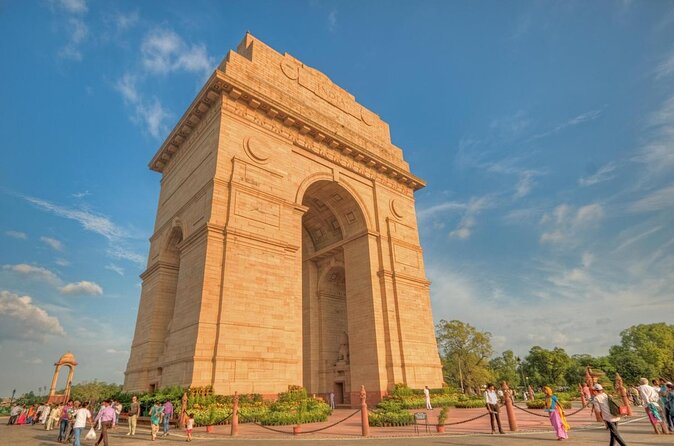
India Gate is next, a war memorial for 70,000 soldiers of the British Indian Army who died between 1914 and 1921 in the First World War. It’s listed as a free admission stop and around 40 minutes.
You finish this stretch at Red Fort, a historic fort that served as the main residence of Mughal emperors. It’s about two hours, and it closes the loop from the earlier Mughal structures you’ve been seeing around the country.
Akshardham, Bangla Sahib, Gandhi Memorial Hall, and Jama Masjid
Delhi doesn’t only do tombs and forts. This final core day balances faith and culture with three major religious sites and one political memory stop.
Swaminarayan Akshardham is described as a spiritual and cultural campus, a Hindu house of worship and a mandir. Then you’ll visit Gurudwara Bangla Sahib, a prominent Sikh gurdwara with its associated Sarovar, a holy pool or river within the complex.
Gandhi Memorial Hall is included as well, and then you visit Jama Masjid, the Masjid-i Jehan Numa, one of the largest mosques in India. This combination is valuable because it shows you Delhi as a living city, not just a museum of old stones.
Price and Logistics: What $1,920 Gets You, and What You Still Need to Plan
At $1,920 per person for about 15 days, the value comes from the parts you normally spend time and money managing yourself. Domestic flights and private car travel between major cities are a big deal on a route that spans multiple states. You also get accommodation plus daily breakfasts, which matters when you’re hopping from Mumbai to central caves to Rajasthan and then Agra and Delhi.
Admission tickets are listed as included for many stops, and some are free like Gateway of India, Colaba Market, India Gate, and several others. That reduces surprise costs and makes it easier to budget meals, snacks, and shopping.
What you should plan for is simple: meals beyond breakfast, plus personal spending at markets like Colaba Causeway. Also, because the trip includes major sights almost every day, you’ll want to travel with comfortable shoes and travel-size sun and hydration supplies.
And about comfort, based on what’s been praised: the driver role is a major part of how this kind of trip feels. Names that come up again and again include Bhanwar Singh, Mudaram, and Ashok, and the guidance of Sandeep is specifically mentioned as having around 20 years of experience. In practice, that kind of local driving skill and historical explanation can turn long days into smooth ones.
Should You Book This South and Golden Triangle Combo?
I’d book this if you want a single, well-run plan that covers both the Golden Triangle and the standout South India monuments. It’s especially good for first-time India visitors who want a wide range of highlights: UNESCO cave heritage in Mumbai and central India, rock-cut art in Ajanta and Ellora, royal architecture in Jaipur, and the Taj Mahal in Agra.
I would hesitate if you dislike packed schedules, because multiple days run long with major sights. I’d also take extra care if Dharavi feels like a lot emotionally, since it is a key part of the route.
If you’re the kind of traveler who likes big contrasts, practical organization, and seeing famous sites through a structured lens, this route makes a lot of sense.
FAQ
How long is the tour?
The tour runs for 15 days approximately.
Where does the tour start and where does it end?
The itinerary starts in Mumbai and ends in Delhi. The meeting point listed is Indira Gandhi Intl Airport, New Delhi.
What’s included in the price?
Accommodation and daily breakfasts are included. The tour also includes domestic flights and private car travel between major cities, with pickup offered and a mobile ticket. Admission tickets are included for many listed sights, and some stops are listed as free.
Is this a private tour?
Yes. It is described as a private tour/activity, with only your group participating.
Is pickup included?
Pickup is offered, and the meeting point is Indira Gandhi Intl Airport in New Delhi.
What is the cancellation policy?
The experience is non-refundable and cannot be changed for any reason. If it is canceled due to not meeting a minimum number of travelers, you’ll be offered a different date or a full refund.
Recently added around New Delhi
- Private Same day Jaipur Tour from New Delhi★ 5.0 · 82 reviews
- Private Agra Day Tour★ 5.0 · 14 reviews
- Taj Mahal,Agra fort and Baby Taj tour from Delhi by Express train★ 5.0 · 7 reviews
- From Delhi: Full Day TajMahal & Agra Fort with 5 Star Lunch★ 5.0 · 64 reviews
- Taj Mahal & Agra City Private Tour from Delhi by Car – Fast Entry★ 5.0 · 13 reviews
- All Inclusive: Same day Taj Mahal Tour From Delhi★ 5.0 · 111 reviews
- Same Day Tour of Taj Mahal with Our Real Historical Experience★ 5.0 · 42 reviews
- Taj Mahal Tour From Delhi By Luxury Car All Including★ 5.0 · 13 reviews
Golden Triangle Tours, compared.

3-Days Private Golden Triangle Tour: Delhi, Agra & Jaipur by Car
Read our review →3-Days Private Golden Triangle Tour: Delhi, Agra & Jaipur by Car
Read our review →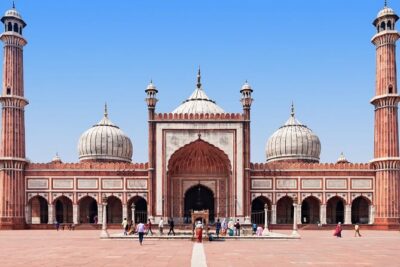
3-Day Delhi, Agra and Jaipur Private Tour – India Golden Triangle
Read our review →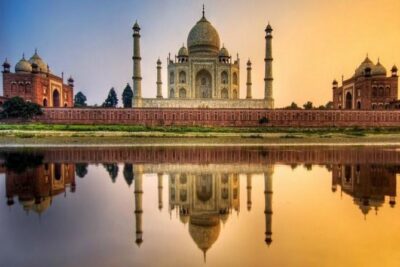
Four-Day Private Luxury Golden Triangle Tour to Agra and Jaipur From New Delhi
Read our review →
5 Nights 6 Days Private Golden Triangle Tour – Delhi Agra Jaipur
Read our review →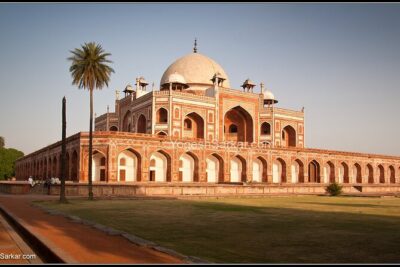

Private Car and Drive for Golden Triangle (4N/5D)
Read our review →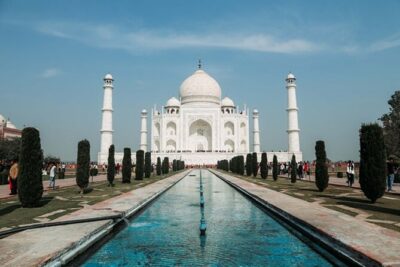
Private Golden Triangle Tour Delhi Agra Jaipur ( Top Rated )
Read our review →Browse the lists this tour appears in