
Reviewed · GOLDEN TRIANGLE TOURS
7 Days Delhi Agra Jaipur Private Golden Triangle Tour
Golden Triangle, planned down to the details. I love the private transportation that handles the long drives between Delhi, Agra, and Jaipur, and I love having a local English speaking guide for the big moments, so you understand what you are seeing, not just what it looks like. This route also lines up eight UNESCO World Heritage sites, which is a lot of payoff in one week. The one consideration is pace, because the days stack sightseeing plus transfers, and you will want good energy (and good shoes).
What makes this plan especially practical is the mix of famous monuments and quick, human-scale stops, like a rickshaw ride through Chandni Chowk’s narrow lanes and calm moments at Raj Ghat. Add in a Wi-Fi enabled private car, bottled mineral water, and small snacks in transit, and the day-to-day logistics feel less stressful. If you want a guided, well-timed history hits tour, this Golden Triangle loop is a strong way to do it.
In This Review
- Key highlights before you go
- How this Delhi, Agra, Jaipur loop actually works
- Day 1 New Delhi: airport arrival and a gentle start
- Day 2 Old Delhi by rickshaw: Red Fort, Chandni Chowk, Jama Masjid, Raj Ghat
- Day 3 New Delhi highlights plus Qutub Minar before heading to Agra
- Day 4 Sunrise Taj Mahal, then Agra Fort and Fatehpur Sikri
- Day 5 Jaipur arrival via Abhaneri, then Chand Baori stepwell
- Day 6 Amber Fort, City Palace, Jantar Mantar, and Hawa Mahal
- Day 7 Jaigarh Fort, Monkey Temple, Jal Mahal, then back to Delhi
- Price and logistics: where your $479.95 per person tends to make sense
- Pacing and practical tips so the schedule feels fair
- Who this tour fits best
- Should you book this tour or not?
- FAQ
- What is included in the tour price?
- How do airport transfers work?
- Is this a private tour?
- Do I need to buy tickets for the monuments?
- Will I have a guide?
- Which UNESCO World Heritage sites are covered?
- What are the major places visited in each city?
- What is not included in the price?
- What should I know about weather and cancellations?
- Is there a minimum number of travelers?
Key highlights before you go
- Private door-to-door transfers across Delhi, Agra, and Jaipur, with a Wi-Fi enabled car
- Rickshaw ride in Chandni Chowk plus major Old Delhi landmarks in one run
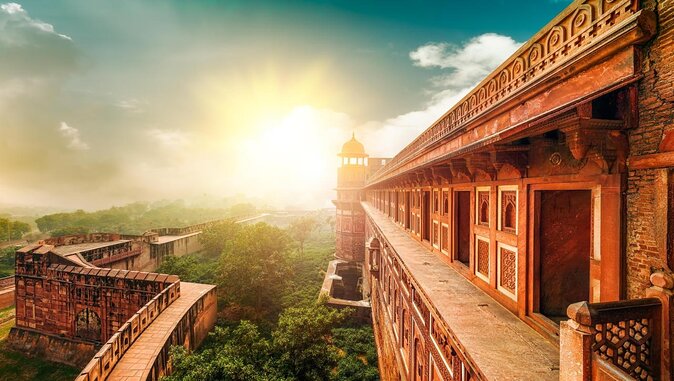
- Sunrise Taj Mahal timing, followed by Agra Fort and Fatehpur Sikri
- Chand Baori stepwell stop, one of the largest in the world, for a photo and a break
- Amber Fort and City Palace plus Jaipur astronomy at Jantar Mantar
How this Delhi, Agra, Jaipur loop actually works
This is a classic Golden Triangle route, but it is built for low-effort travel. You start with pickup from Indira Gandhi International Airport and transfer to your first hotel in New Delhi. Then you move city to city by private vehicle, with sightseeing stops slotted around monument hours, including a sunrise Taj Mahal morning.
The big advantage for you is clarity. You do not need to plan routes between cities, figure out which ticket lines to join, or guess how long each leg will take. Your days are full, but they are full with purpose.
The tour also spreads out the most important themes. Delhi gives you sultanate and Mughal era landmarks and the nation’s modern memorial sites. Agra is all about Mughal architecture and power. Jaipur adds Rajput forts and palaces, plus city planning and astronomy.
Golden Triangle tours readers book most in New Delhi:
- 3-Days Private Golden Triangle Tour: Delhi, Agra & Jaipur by Car
★ 5.0 · 1,107 reviews - 3-Days Private Golden Triangle Tour: Delhi, Agra & Jaipur by Car
★ 5.0 · 1,098 reviews - 3-Day Delhi, Agra and Jaipur Private Tour – India Golden Triangle
★ 5.0 · 812 reviews
Day 1 New Delhi: airport arrival and a gentle start
Day 1 is straightforward. You get welcomed at the airport and transferred to your hotel, then you settle in at a normal human pace. This matters because Golden Triangle trips can feel intense on day two, when Old Delhi sightseeing kicks in.
You get a long ride-free first evening, which also helps you adjust to the city rhythm, traffic, noise levels, and the general pace of India in general. If you land tired, this “arrive, sleep, then tour” structure helps you avoid the classic mistake of rushing straight into major monuments without rest.
One small detail I like here is the implied reset time. You will be in New Delhi long enough to do proper sightseeing afterward, rather than treating day one like a quick drop-and-run.
Day 2 Old Delhi by rickshaw: Red Fort, Chandni Chowk, Jama Masjid, Raj Ghat
Day 2 is your Old Delhi day, and it is packed in a way that makes sense. You begin at the Red Fort complex, known for its massive red sandstone walls. Even if you do not consider yourself a history person, forts like this hit in a visual way. You can feel the scale and the way emperors used stone and design to control space.
Next comes one of the most memorable moments on this tour: a rickshaw ride through the narrow lanes of Chandni Chowk market. It is not just a ride. It is a quick crash course in how dense the city can be, and why Old Delhi feels different from New Delhi’s wider avenues.
You finish the morning with Jama Masjid, described as India’s largest mosque. If you’ve seen mosque architecture before, it helps you compare styles. If you have not, it still gives you a strong sense of scale, with the courtyard and surrounding details doing most of the talking.
Then there is a quieter shift at Raj Ghat, the resting place of Mahatma Gandhi. This is one of those stops where you slow down on purpose. It also helps break up the day so you do not feel like you are only “touring in” the whole time.
A practical note: this day is heavy on walking through active areas. Comfortable shoes and a hat can make a bigger difference than you think.
Day 3 New Delhi highlights plus Qutub Minar before heading to Agra
Day 3 starts in New Delhi with several key stops. You visit Birla House, also known as the Gandhi Smriti Museum. This is where Gandhi spent the last 144 days of his life, so it adds a strong personal anchor to the city’s memorial side.
From there you hit India Gate, a war memorial for troops of British India who died in wars fought between 1914 and 1919 during World War 1. It’s short in time, but it is a meaningful stop for context.
The day also includes Humayun’s Tomb and Qutub Minar. Humayun’s Tomb, built in 1570, is significant as the first garden-tomb on the Indian subcontinent. That garden design detail matters. The tomb is not isolated, it sits within a planned landscape, and that planning affects how the place feels.
Then you reach Qutub Minar. At about 73 meters tall, it is a UNESCO World Heritage Site and the tallest brick minaret in the world. It is also described as an early Islamic structure in India, with both Arabic and Brahmi inscriptions. That mix of scripts is a neat reminder that empires and cultures traveled with people, not just armies.
After all that, you continue onward to Agra and sleep there. I like this approach because you are not doing Agra in one rushed afternoon. You arrive with strong context already in your head, especially from Delhi’s Mughal-era connections.
A few more New Delhi days to compare
- Old & New Delhi City Tour – Half or Full Day Options Available
★ 5.0 · 4,811 reviews - Half Day Private Delhi City Tour
★ 5.0 · 4,474 reviews - Same Day Taj Mahal, Agra Fort & Baby Taj Tour from Delhi by Car
★ 5.0 · 4,304 reviews - Taj Mahal Day Tour from Delhi by Superfast Train – TOP RATED TOUR
★ 5.0 · 4,166 reviews
Day 4 Sunrise Taj Mahal, then Agra Fort and Fatehpur Sikri
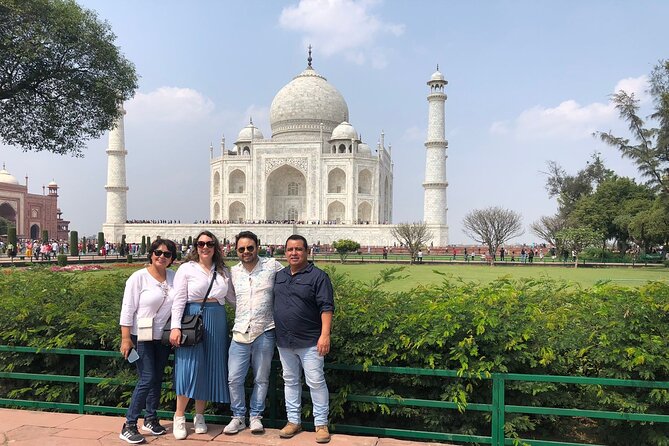
If your goal is one main “wow” monument, this is the day. The tour schedules a sunrise visit to the Taj Mahal, built between 1631 and 1648. Sunrise timing is not just romantic marketing. It is usually when light is softer and the experience feels calmer than peak daytime crowds.
After the Taj, you go to Agra Fort, a UNESCO World Heritage Site and described as the main residence of Mughal emperors until 1638, when the capital shifted from Agra to Delhi. The site helps you understand why the Mughal story mattered here beyond one landmark. Forts like this are about control, logistics, and power over time.
Next is Fatehpur Sikri, known as the first planned city of the Mughals, with administrative, residential, and religious buildings. Even if you only spend about two hours there, it is enough time to grasp the idea of a whole city as a designed statement, not random buildings that happened to get built near each other.
This is one of the heavier days on the calendar, mainly because it combines early timing with multiple major sights. Build in patience for travel time between stops, and keep hydration in mind.
Day 5 Jaipur arrival via Abhaneri, then Chand Baori stepwell
You leave Agra and head to Jaipur, often called the Rose capital of Rajasthan. On the way, you visit Abhaneri, known for step-related structures, and then you arrive for check-in at your pre-booked hotel.
The evening has a built-in cultural option: a Rajasthan dance performance with dinner. This is optional-feeling in the schedule since it is “in the evening,” which helps you recover after a travel day.
In terms of sightseeing variety, the real win on Day 5 is Chand Baori. It is built by King Chanda of the Nikumbha Dynasty in the 9th century and is one of the largest stepwells in the world. Stepwells can sound like a “special interest” stop, but this one is both practical and photogenic. It was designed to conserve water and provide relief from intense heat.
I also like that this stop gives your legs a break from the tallest-monument marathon. You still walk, but the pace feels different, and it is easier to take photos without sprinting between entrances.
Day 6 Amber Fort, City Palace, Jantar Mantar, and Hawa Mahal
Day 6 is Jaipur’s big monument stack, and it starts with Amber Fort. You get hilltop views from the Amber Palace area, and you also visit the Palace of Winds, the Jantar Mantar astronomical observatory, and the City Palace of Jaipur complex.
A quick note on Jantar Mantar, because this is not “just another museum.” It is an observatory thought to have been built by Sawai Jai Singh II in 1729. The tour describes it as one of the world’s most accurate pre-modern observatories. Even if you do not remember every instrument name, you can appreciate the idea: measuring the sky with real tools, built into city design.
At City Palace, you see a complex of courtyards, pavilions, gardens, and temples. The main structures listed include Chandra Mahal, Mubarak Mahal, Shri Govind Dev Temple, and the City Palace Museum. This stop feels like the court moved into stone and everyday life at the same time.
Then comes Hawa Mahal, the Palace of Wind. Built in 1799 by Maharaja Sawai Pratap Singh using pink sandstone, it is Jaipur’s most recognizable facade. It has five storeys and small latticed windows called jharokhas, and it is described as a blend of Hindu and Islamic architecture. Even from the outside, it gives you a sense of how style served function, especially for watching street life while staying behind screens.
This is a day where sun protection and hydration are crucial. Forts and palaces are best enjoyed when you are not constantly overheating.
Day 7 Jaigarh Fort, Monkey Temple, Jal Mahal, then back to Delhi
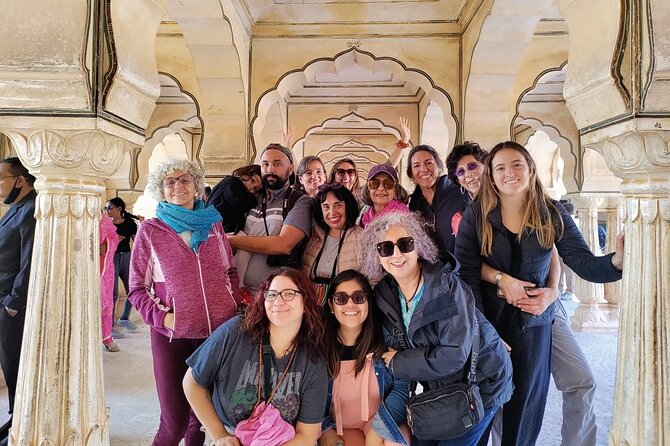
Day 7 keeps Jaipur’s story moving forward, but in a more scenic, less formal way. You start at Jaigarh Fort, described as a centre of artillery production for the Rajputs. You also hear about Jaivana, said to be the world’s largest cannon on wheels in the early modern era when it was manufactured in 1720, and the foundry where it was made is on-site too.
Then you go to the Monkey Temple, a 15th-century temple home to macaque and langoor monkeys. This can be fun, but keep your expectations realistic. These are wild animals, so keep your space and do not try to act like a movie character feeding them.
Next is Jal Mahal, an architectural masterpiece built in 1799. It’s a five-storey structure that looks partially submerged when Man Sagar Lake is full, leaving only the top visible. This setup also gives you a great photography moment, with views toward the Nahargarh Hills.
The final step is returning to Delhi and heading to the international airport for your flight home.
This day is a nice ending because it trades some of the heavy palace-courtyard walking for a more open, scenic feel, especially at Jal Mahal.
Price and logistics: where your $479.95 per person tends to make sense
At $479.95 per person for about 7 days, the value comes from how the package handles friction.
First, you are paying for private transportation with transfers across three cities. That is usually the biggest cost driver in India tours. Second, monument entrance fees are included for the sites where the tour specifies admission tickets. Third, you get an English-speaking guide for the group size, which is often the difference between quickly looking and actually understanding what you are seeing.
You also get practical add-ons that cost money when bought separately: mineral water bottles throughout the tour, seasonal fruits, biscuits, and snacks in the car, plus a Wi-Fi enabled vehicle. Those details matter on a week where you are constantly on the move.
The parts that are not included are also clearly defined: international airfares, insurance/visas, and tips/gratuities. So you should budget for those, especially if you are coming from overseas.
If you are comparing to DIY travel, a private guided route like this is often worth it when you value time, stress reduction, and not having to manage tickets and timing yourself.
Pacing and practical tips so the schedule feels fair
This tour is structured and full. It is not built for slow travel, which is fine if you know what you are signing up for.
Here are the practical things that will help you enjoy it more:
- Pack for heat and sun. Lots of stops are outdoors or partially exposed, including forts and open squares.
- Wear shoes that can handle uneven steps. Forts, palaces, and stepwell areas all involve stairs.
- Keep a light day bag. You will move between sites, and a small bag keeps water and essentials easy to grab.
- Don’t over-plan your evenings. Most nights are hotel time, and you will want sleep, especially after early starts.
- If you are sensitive to crowds, be aware that major sights like the Taj Mahal can feel busy even with good timing.
One more thing: the tour requires good weather. That is especially relevant for outdoor viewing and sunrise timing.
Who this tour fits best
This Golden Triangle private tour works best if you:
- Want the “big monuments” of Delhi, Agra, and Jaipur with less planning stress
- Prefer a consistent schedule with private transportation rather than public transit changes
- Like guided explanations, especially for places like Qutub Minar, Humayun’s Tomb, and Jantar Mantar
- Are traveling with a small group that benefits from an English-speaking guide setup
It might feel too fast if you want lots of free time, long meals, or very slow sightseeing with minimal transfers.
Should you book this tour or not?
I would book it if you want a focused week that hits the core Golden Triangle sights, plus a few smart extras like Chand Baori and the Jal Mahal photography stop. The structure also helps first-timers, because the tour covers transportation, key entrances, and a guide who can explain what you are looking at.
I would pause before booking if you need a calmer pace, because the days combine major monuments with city-to-city travel. Also consider the weather requirement, since sunrise Taj Mahal experiences depend on conditions.
If you are ready for a full week and you want history plus practical comfort, this is a solid way to do Delhi, Agra, and Jaipur without turning your vacation into a logistics project.
FAQ
What is included in the tour price?
The package includes all sightseeing and transfers by private transportation, entrance fees to the monuments and museums listed in the schedule, a local English speaking guide (for groups up to 05 persons) or a tour escort (for 06 persons and above), the Delhi rickshaw ride, mineral water bottles throughout the tour, seasonal fruits or biscuits or snacks in the car, Wi-Fi enabled private car, and breakfast (6).
How do airport transfers work?
Pickup is offered from Indira Gandhi International Airport in New Delhi. The tour starts there, and at the end you are driven to Delhi International Airport for your flight back home.
Is this a private tour?
Yes. It is a private tour/activity, and only your group will participate.
Do I need to buy tickets for the monuments?
Entrance fees to the monuments and museums as mentioned in the schedule are included. Some specific stops are listed with admission ticket free.
Will I have a guide?
You get a local English speaking guide for groups up to 05 persons. If your group is 06 persons or above, a tour escort is provided.
Which UNESCO World Heritage sites are covered?
The tour description says it includes 08 UNESCO World Heritage sites across Delhi, Agra, and Jaipur.
What are the major places visited in each city?
In Delhi, you visit stops including Red Fort, Jama Masjid, Raj Ghat, Qutub Minar, Gandhi Smriti, Humayun’s Tomb, and India Gate. In Agra, you visit the Taj Mahal, Agra Fort, and Fatehpur Sikri. In Jaipur, you visit Amber Fort, City Palace, Jantar Mantar, Hawa Mahal, and additional sights including Chand Baori, Jaigarh Fort, Monkey Temple, and Jal Mahal.
What is not included in the price?
International airfares, insurance, visas, and tips or gratuities are not included.
What should I know about weather and cancellations?
The experience requires good weather. If it is canceled due to poor weather, you will be offered a different date or a full refund. If you cancel up to 24 hours in advance, you receive a full refund, based on local time.
Is there a minimum number of travelers?
Yes, this experience requires a minimum number of travelers. If it is canceled because the minimum isn’t met, you will be offered a different date or experience, or a full refund.
Recently added around New Delhi
- Private Same day Jaipur Tour from New Delhi★ 5.0 · 82 reviews
- Private Agra Day Tour★ 5.0 · 14 reviews
- Taj Mahal,Agra fort and Baby Taj tour from Delhi by Express train★ 5.0 · 7 reviews
- From Delhi: Full Day TajMahal & Agra Fort with 5 Star Lunch★ 5.0 · 64 reviews
- Taj Mahal & Agra City Private Tour from Delhi by Car – Fast Entry★ 5.0 · 13 reviews
- All Inclusive: Same day Taj Mahal Tour From Delhi★ 5.0 · 111 reviews
- Same Day Tour of Taj Mahal with Our Real Historical Experience★ 5.0 · 42 reviews
- Same Day Agra/Taj Mahal Tour from Delhi : Private & all inclusive★ 5.0 · 38 reviews
Golden Triangle Tours, compared.

3-Days Private Golden Triangle Tour: Delhi, Agra & Jaipur by Car
Read our review →3-Days Private Golden Triangle Tour: Delhi, Agra & Jaipur by Car
Read our review →
3-Day Delhi, Agra and Jaipur Private Tour – India Golden Triangle
Read our review →
Four-Day Private Luxury Golden Triangle Tour to Agra and Jaipur From New Delhi
Read our review →
5 Nights 6 Days Private Golden Triangle Tour – Delhi Agra Jaipur
Read our review →

Private Car and Drive for Golden Triangle (4N/5D)
Read our review →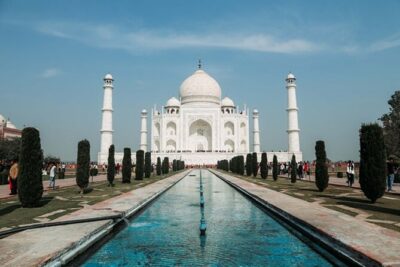
Private Golden Triangle Tour Delhi Agra Jaipur ( Top Rated )
Read our review →Browse the lists this tour appears in