
Reviewed · GOLDEN TRIANGLE TOURS
7 Day Golden Triangle Tour with Ranthambore Tiger Tour
Tiger safari plus world wonders. That combo is why this 7-day Golden Triangle with Ranthambore works so well, you get big-site history in Delhi, Agra, Jaipur, then switch gears to real wildlife time in Ranthambore. What I like is how the pacing is built around major sights and the two safari windows that matter most for tigers.
Two things I especially like: the sunrise Taj Mahal visit, when the marble can glow golden, and the fact that you get two Ranthambore game drives instead of just one long shot. The guides also keep things organized, and in the kind of service this tour is known for, communication can be very responsive, including support from Ms. Sonia and a comfortable ride with chauffeur Mr. Raju when upgrades happen.
One possible drawback: you will want to budget for monuments entrance fees, because the tour notes they are extra (about $79 per person). Also, not every Delhi landmark is a full interior visit, for example you see the Red Fort from outside because most of it is occupied.
In This Review
- Key highlights worth planning around
- A 7-Day Golden Triangle and Ranthambore combo: what you really get
- Delhi Day 1: Old Delhi rickshaw ride and the New Delhi photo circuit
- The Agra rhythm: forts, sunset views, and Taj Mahal at sunrise
- Fatehpur Sikri to Ranthambore: changing gears from Mughal stone to tiger country
- Ranthambore National Park game drives: timing, comfort, and what to expect
- Jaipur evening choice: Galta Ji Monkey Temple or Birla Mandir
- Jaipur Day 6: Amber Fort, City Palace, Jantar Mantar, and Hawa Mahal photos
- Price and value: where the $599 really goes
- Who this tour fits best, and who should rethink it
- Should you book this Golden Triangle with Ranthambore Tigers?
- FAQ
- What cities does this tour cover?
- How long is the tour?
- Does the tour include pickup?
- Are Ranthambore safaris included?
- Is the Taj Mahal sunrise visit included?
- What is the approximate cost for monument entrance fees?
- What are the main cancellation terms for a full refund?
Key highlights worth planning around
- Sunrise Taj Mahal experience timed early, so the crowds and harsh midday light do not run the show
- Two Ranthambore game drives with shared jeep or canter, so you have more chances within a 24-hour window
- Old Delhi by rickshaw at Chandni Chowk, a fast way to feel the city’s street energy without getting lost
- UNESCO stops like Qutub Minar, Agra Fort, and Jaipur’s Jantar Mantar, plus photo stops where access is limited
- Helpful service with responsive coordination, and stories of vehicle comfort upgrades tied to the group’s needs
A 7-Day Golden Triangle and Ranthambore combo: what you really get
This tour stitches together two of India’s most requested travel styles. First, it runs the Golden Triangle route you keep seeing for a reason: Delhi for power and faith sites, Agra for Mughal masterpieces, Jaipur for royal architecture and planning. Then it adds the wildlife reset in Ranthambore National Park, where your days bend around safari departure times and not museum hours.
For me, the value is in how the schedule respects timing. Taj Mahal at sunrise is not the same experience as going later. Same idea in tiger country, the tour plans an early drive and a later drive, with hotel downtime in between so you are not stuck in transit all day.
This is also the kind of trip that can feel easy because the logistics are handled for you: air-conditioned transport, scheduled pickup, and a professional city guide for the heritage legs. You do still need to be flexible, especially with entrance fees and the reality that safaris are wildlife-based, meaning the sightings part is not guaranteed. But you are not walking blind into it, the safari windows and durations are clearly built in.
More Tiger Safaris in Delhi
- Golden Triangle & Ranthambore: 4-Day Private Tour from Delhi
★ 5.0 · 224 reviews - 4 Day Golden Triangle with Ranthambore Tiger Safari Tour from Delhi
★ 5.0 · 110 reviews - 4-Day Private Delhi, Agra & Jaipur with Ranthambore Tiger Safari
★ 5.0 · 71 reviews
Delhi Day 1: Old Delhi rickshaw ride and the New Delhi photo circuit
Your day begins with pickup from the airport, hotel, railway station, or a location in Delhi, Noida, or Gurgaon. That matters here because Delhi traffic can turn a “simple” morning into a time sink. Once you are in motion, you get a guided sweep through the main heritage cluster.
Old Delhi highlights start with Jama Masjid, built in 1656 under Emperor Shah Jahan. It is the kind of place where the scale hits you fast, and the design, red sandstone and white marble with three domes and two minarets, is made for photos. Next comes Chandni Chowk with a rickshaw ride. This is one of those experiences where you see the city in a compressed time window, and the streets are narrow enough that rickshaws are actually the practical choice.
Then the tour shifts to landmarks that are more “see it from the road” or quick photo stops. Red Fort is driven around because about 70 percent of it is occupied by the Indian Army, so do not expect a full inside visit. Raj Ghat, the memorial of Mahatma Gandhi, gives you a quieter pause with that simple black marble platform and the eternal flame. India Gate is a war memorial built in 1931, honoring 74,187 Indian soldiers who died in World War I and the Third Anglo-Afghan War, and it also connects visually to European triumphal architecture via its Arc de Triomphe inspiration.
You end with photo stops at Rashtrapati Bhavan and Parliament House, then a UNESCO stop at Qutub Minar. Qutub Minar is built starting in 1199 by Qutb-ud-din Aibak and finished later by Iltutmish, and it rises to about 73 meters. The tour frames it well, because even if you do not go deep, you get the context for what you are looking at.
How to get the most out of Delhi Day 1: wear shoes you can walk in, because rickshaw rides are fun but you may still do short stretches on foot, and bring sun protection for Qutub Minar.
The Agra rhythm: forts, sunset views, and Taj Mahal at sunrise
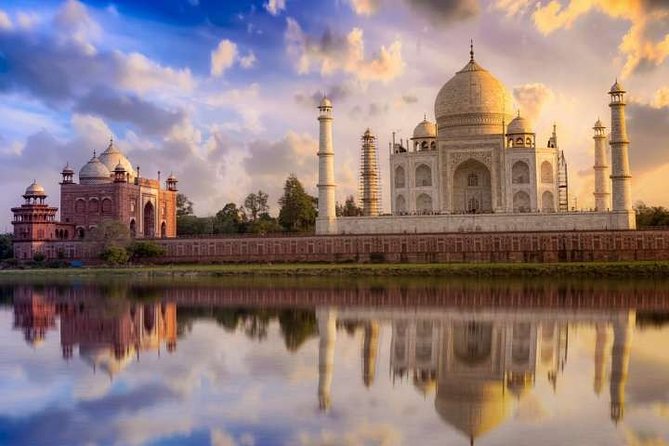
Agra is built for a two-stage day. You start with travel and hotel time, then add a second wave of sightseeing once you are settled. The schedule includes Agra Fort and Mehtab Bagh for sunset views of the Taj Mahal across the Yamuna. Agra Fort is a UNESCO World Heritage Site and the former residence of Mughal emperors, built by Akbar in 1565 and later modified by Shah Jahan. Even from outside the details can feel layered, and the fort context helps when you later return to Taj Mahal in a different light.
Mehtab Bagh, often called Moonlight Garden, is one of the best “scenery” additions because it is not only about Taj Mahal, it is also about the landscape framing. The garden layout and viewpoint make the Taj feel like a composition, not just a building.
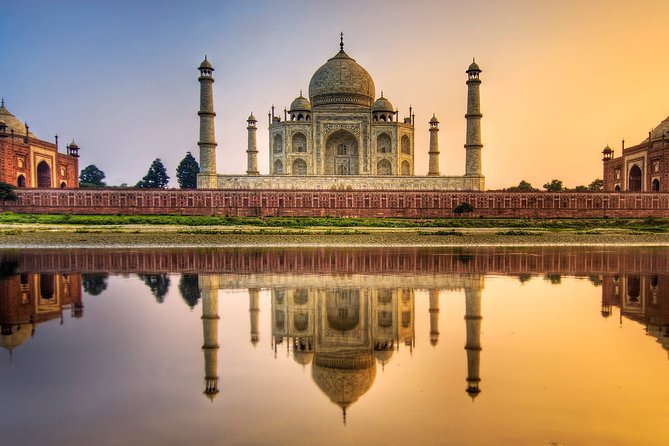
Then the next morning is where this tour earns its bucket-list badge. Taj Mahal sunrise begins with a very early hotel meet time, then you head to the monument before the day heats up. The tour specifically calls out the sunrise effect, when the ivory-white marble can take on golden hues. If you have ever been to famous sights in the afternoon, you already know the difference, sunrise is calmer and the light is more forgiving.
After Taj Mahal, you shift from Agra to the next chapter with breakfast and travel onward. That matters because it prevents the “one big site then collapse” problem. You get a chance to reset before the drive begins.
A practical note: Taj Mahal entrance fees are not included, so plan your budget accordingly. Also, sunrise means early mornings, pack something light for the cool start even if your afternoons in India get warm.
Fatehpur Sikri to Ranthambore: changing gears from Mughal stone to tiger country
The middle day turns the trip from architecture mode into nature mode. Fatehpur Sikri is the bridge. It is described as the abandoned Mughal capital about 35 km west of Agra, and it is UNESCO-listed. Emperor Akbar built it starting around 1571, and it served as the Mughal court at the height of its power before it was left behind. The feeling here can be surprisingly different from the polished world of live cities, because abandoned capitals show you how grand ambitions also come with practical limits.
Once Fatehpur Sikri time is done, you drive to Ranthambore, specifically Sawai Madhopur. This is where the tour focuses on an overnight stay so you can actually do safaris with the right timing rather than trying to cram everything in one day.
Why this “in-between” stop works: Fatehpur Sikri gives you context for why Indian history is so visually intense. Then Ranthambore reminds you that India is not only palaces and temples. There’s a whole other kind of drama out there, tracks, trees, and the quiet before a safari drive.
Golden Triangle tours readers book most in New Delhi:
- 3-Days Private Golden Triangle Tour: Delhi, Agra & Jaipur by Car
★ 5.0 · 1,107 reviews - 3-Days Private Golden Triangle Tour: Delhi, Agra & Jaipur by Car
★ 5.0 · 1,098 reviews - 3-Day Delhi, Agra and Jaipur Private Tour – India Golden Triangle
★ 5.0 · 812 reviews - Four-Day Private Luxury Golden Triangle Tour to Agra and Jaipur From New Delhi
★ 5.0 · 807 reviews
Ranthambore National Park game drives: timing, comfort, and what to expect
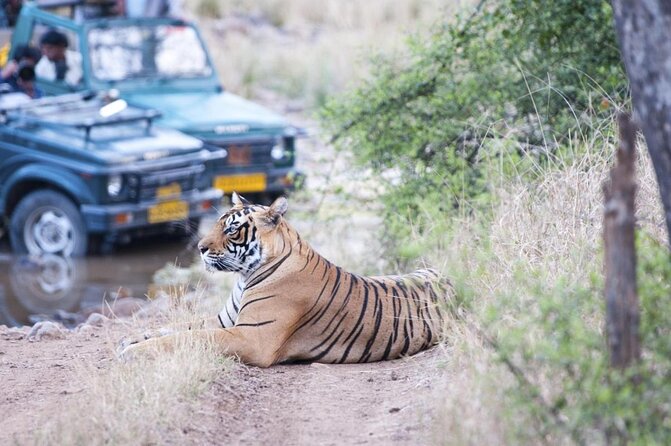
This is the heart of the trip. You get an early pickup for the first game drive around 6:00 AM. The morning safari lasts about 2 to 3 hours. Then after breakfast and some hotel downtime, you do a second safari later, around 2:30 PM, lasting about 3 to 4 hours. The tour makes a point of having two drives, which is smart because wildlife sightings are not scheduled events.
The safaris run in shared jeep or canter, and the tour includes the safari tickets. That is a key detail for value, because wildlife access and vehicle sessions can cost real money on their own. You are also not alone, you are with a group, and the driver and guide manage the route.
How to prepare for both safaris: bring sun protection, and plan for early-morning chill. Also, pack for dust and movement because vehicles are not museum rooms. You will likely do a lot of sitting and watching, so lightweight layers help.
What I like about this structure is the downtime between drives. You come back, freshen up, have lunch, and then head out again. That is exactly what you want in tiger country because fatigue kills your attention.
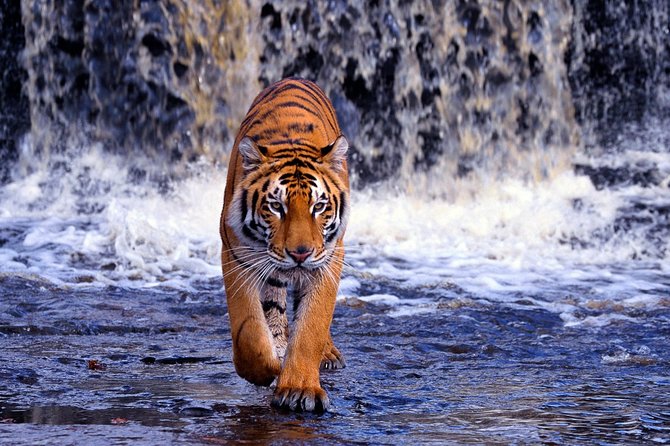
Also, the tour notes you might spot Bengal tigers, plus leopards, deer, and exotic birds. You should treat that as hope, not a promise, but the list tells you the safari area has enough biodiversity that the wildlife viewing is not only about one animal.
Jaipur evening choice: Galta Ji Monkey Temple or Birla Mandir
Jaipur arrives after a drive from Sawai Madhopur. Once you check in, you get an evening option that keeps the trip from feeling like a constant parade of major sites.
You can choose Galta Ji Monkey Temple or Birla Temple. Galta Ji is known for its seven sacred water tanks, called kunds, and for the large population of rhesus macaque and langur monkeys. It is also nicknamed the Monkey Temple. This stop is usually about spiritual atmosphere plus the chance to see how people interact with religious spaces in everyday life.
Birla Mandir is a different mood. It is a modern Hindu temple built of white marble, dedicated to Lord Vishnu and Goddess Lakshmi. The setting and design feel cleaner and more “intentional” than Galta Ji, which is more about the layered, water-and-steps feeling.
My take on this choice: if you like street-level, living wildlife energy (monkeys and movement), pick Galta Ji. If you prefer a more orderly temple interior vibe and a calmer visit, Birla Mandir is a better fit.
Jaipur Day 6: Amber Fort, City Palace, Jantar Mantar, and Hawa Mahal photos
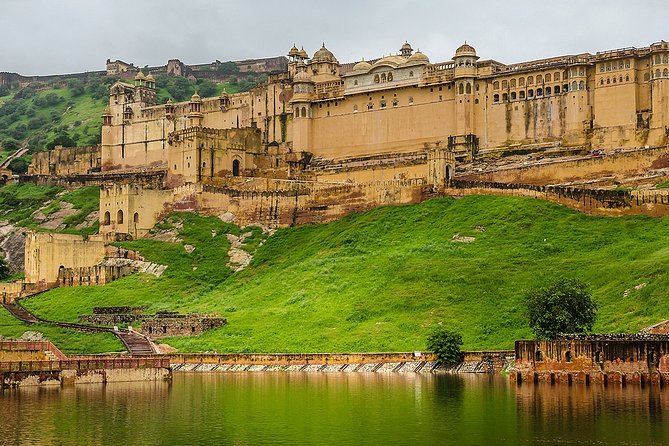
Day 6 is classic Jaipur, with a mix of UNESCO-listed sights and quick photo stops that still tell you what Jaipur is famous for.
You start with Jaipur Fort at UNESCO scale, described as a palace complex built from pale yellow and pink sandstone with white marble. The tour notes it was built by Raja Man Singh I in 1592 and expanded later by Jai Singh I. Forts in Jaipur are built to look powerful, and that is exactly what you get here, stone that reads like it was meant to rule the landscape.
Then comes a photo stop at Jal Mahal, the Water Palace, built in 1699 in the Man Sagar Lake. The appeal is in how the five-story palace appears to float, with four floors submerged when the lake is full. Even if you only stop briefly, it is a strong postcard perspective.
Next is City Palace, the royal residence built by Maharaja Sawai Jai Singh II in 1729. The tour highlights a fusion of Rajput, Mughal, and European styles. This is one of those places where it helps to have a guide, because the architecture reflects changing power and taste over time.
Jantar Mantar adds a very different kind of genius. It is an astronomical observatory and UNESCO-listed, built around 1734 by Maharaja Sawai Jai Singh II, with 19 instruments including the world’s largest stone sundial. If you like science history or just enjoy seeing “how people measured the sky,” this is a standout.
Finally, there is Hawa Mahal, the Palace of Winds. You get a photo stop. It was built in 1799 by Maharaja Sawai Pratap Singh and designed for royal women to observe street life without being seen. Even in a quick stop, the purpose gives the building meaning beyond its looks.
You finish with an hour for local markets, with time for handicrafts, jewelry, textiles, and traditional Rajasthani souvenirs. This is a good moment to buy something practical, like scarves or small items, since you will already be carrying less risk from bargaining fatigue earlier in the trip.
Price and value: where the $599 really goes
At $599 per person, this tour is trying to bundle a lot of movement and two separate “expensive sections”: Golden Triangle guided sightseeing plus Ranthambore safaris.
Your key inclusions are:
- good 3, 4, or 5-star hotels on the option chosen
- air-conditioned vehicle transport
- professional city tour guides
- packaged drinking water in the car
- two Ranthambore jungle safaris in shared jeep or canter
- breakfast for 6 days
The two big value wins are the safaris being included, and having a guide during the heritage blocks. Guides matter in places like Qutub Minar, Agra Fort context, and Jantar Mantar, because a quick reading makes you see more than stone.
The main extra cost is monuments entrance fees, noted as about $79 per person, plus anything not listed in inclusions. That means you should budget for entry tickets for major stops where admissions are required. The tour also includes situations where you see landmarks from outside or by photo stop, so not every stop will cost as much, but you should still assume some paid entries.
If you like comfort, there is also a service angle. In reported experiences tied to this tour style, the vehicle can get upgraded for group comfort, like moving from a standard saloon to a bigger SUV. It is not something you should count on, but it signals how the team thinks about ride quality.
Who this tour fits best, and who should rethink it
This works best if you want a single trip that checks several boxes without forcing you to plan every leg. You will enjoy it if you care about:
- major heritage stops in Delhi, Agra, and Jaipur with guidance
- an early-morning Taj Mahal experience
- wildlife time that is structured around two safari departures
It may not be ideal if you hate early starts. Sunrise at Taj Mahal and the early Ranthambore pickup are real. It is also less ideal if you want lots of free time built in, because days are scheduled around specific monuments and safari time blocks.
Also consider your comfort with shared safari vehicles. If you want a private safari for maximum control, this shared format might feel limiting. But if you want value and you are okay with sharing the experience with your group, this structure is sensible.
Should you book this Golden Triangle with Ranthambore Tigers?
If your dream trip includes Taj Mahal at sunrise plus two Ranthambore game drives, then yes, this is an efficient way to do it. The schedule respects timing, it includes safaris in the main cost, and it mixes big-name heritage with a real wildlife reset.
I would book if you:
- want guided context at key UNESCO sites
- like the idea of two safari chances instead of one
- can handle early mornings and some extra budgeting for entry fees
I would hesitate if you:
- want zero early wakeups
- prefer fully flexible days and lots of unscheduled time
- plan to visit monuments like a self-guided solo explorer and would rather pay as you go without a bundled tour approach
Overall, this tour feels built for people who want the headline experiences, but still want the trip to run smoothly. You get enough structure to reduce stress, and enough variety to keep the days from feeling repetitive.
FAQ
What cities does this tour cover?
It covers New Delhi, Agra, Jaipur, and Ranthambore (Sawai Madhopur).
How long is the tour?
It’s listed as 7 days (approximately).
Does the tour include pickup?
Yes. Pickup is offered from Delhi Airport, your hotel, the railway station, or a location in Delhi, Noida, or Gurgaon.
Are Ranthambore safaris included?
Yes. The tour includes 2 jungle safaris in Ranthambore in a shared jeep or canter.
Is the Taj Mahal sunrise visit included?
Yes, it includes a sunrise visit to the Taj Mahal. The monument entrance fee is not included.
What is the approximate cost for monument entrance fees?
Monument entrance fees are listed as $79.00 per person, and they are not included in the tour price.
What are the main cancellation terms for a full refund?
You can cancel up to 6 days in advance for a full refund, with the policy stating 100 percent refund if canceled at least 6 full days before the start time.
More Tiger Safaris in New Delhi
- 7-Day Golden Triangle Tour with Ranthambore Tiger Safari
★ 5.0 · 53 reviews - 8 Day Golden Triangle Tour with Ranthambore {Taj , Tigers & More}
★ 5.0 · 50 reviews - 4-Day Ranthambore Tiger Safari Tour to Agra and Jaipur from Delhi
★ 5.0 · 46 reviews - 5 Days Golden Triangle with Ranthambore (Delhi Agra Jaipur Ranthambore Tour)
★ 5.0 · 45 reviews
Recently added around New Delhi
- 7 Nights 8 Days Golden Triangle With Ranthambore★ 5.0 · 7 reviews
- 8 Day Golden Triangle Tour with Ranthambore {Taj , Tigers & More}★ 5.0 · 50 reviews
- 8-Day Golden Triangle & Varanasi Tour: Culture, Heritage & Faith★ 5.0 · 8 reviews
- 8 Days Private Golden Triangle Tour With Ranthambore★ 4.5 · 25 reviews
- 8-Day Private Golden Triangle Tour with a Ranthambore Wildlife Safari From Delhi★ 4.5 · 23 reviews
- 7 Day Delhi Agra Jaipur Jodhpur Udaipur Tour-Taj Mahal At Sunrise★ 5.0 · 15 reviews
- 7 – Days Private Golden Triangle Tour with Pushkar★ 5.0 · 6 reviews
- Journey to India’s Heart: 7-Day Golden Triangle Escape★ 5.0 · 19 reviews
Golden Triangle Tours, compared.

3-Days Private Golden Triangle Tour: Delhi, Agra & Jaipur by Car
Read our review →3-Days Private Golden Triangle Tour: Delhi, Agra & Jaipur by Car
Read our review →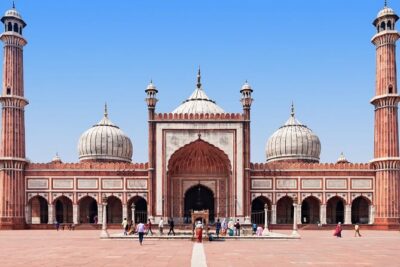
3-Day Delhi, Agra and Jaipur Private Tour – India Golden Triangle
Read our review →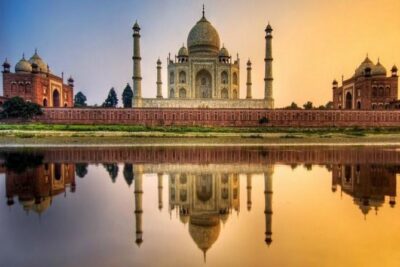
Four-Day Private Luxury Golden Triangle Tour to Agra and Jaipur From New Delhi
Read our review →
5 Nights 6 Days Private Golden Triangle Tour – Delhi Agra Jaipur
Read our review →

Private Car and Drive for Golden Triangle (4N/5D)
Read our review →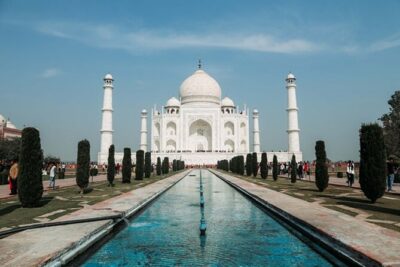
Private Golden Triangle Tour Delhi Agra Jaipur ( Top Rated )
Read our review →Browse the lists this tour appears in