

Reviewed · GOLDEN TRIANGLE TOURS
3-Day Private Golden Triangle Tour to Agra &Jaipur from New Delhi
Three days, three cities, almost no stress. This private Golden Triangle route is interesting because it strings together Delhi landmarks, a dawn Taj Mahal visit, and Jaipur sights in one smooth plan, with a driver doing the between-city work. I like the monument tickets included setup, and I also like that you get a private driver for your group.
One thing to keep in mind is that the Taj Mahal sunrise timing is weather-dependent, and the overall transfer times are approximate since traffic can swing the schedule.
In This Review
- Key things you should know before you go
- The big idea: a private Golden Triangle that saves your brain
- Day 1 in Delhi: Qutub Minar and Jama Masjid, then Old Delhi market time
- Qutub Minar: where you learn to look up
- Lotus Temple: a calm pause with easy photo angles
- India Gate, Parliament House, and Raj Ghat: the city’s big symbols
- Jama Masjid: one of the grander Mughal mosques
- Chandni Chowk and Humayun’s Tomb: markets plus UNESCO balance
- Akshardham: a big spiritual campus
- Drive to Agra via Yamuna Expressway
- Day 2 in Agra: a real sunrise Taj Mahal plan plus two more UNESCO-worthy stops
- Taj Mahal at dawn: why timing changes the whole visit
- Agra Fort: the power behind the romance
- Itmad-ud-Daula: the smaller tomb that helps you understand Taj design
- Fatehpur Sikri: a fast trip into a different kind of city
- From Agra to Jaipur: Pink City arrival with time to settle in
- Day 3 in Jaipur: Hawa Mahal views, City Palace inside access, and Jantar Mantar science
- Panna Meena ka Kund and Jal Mahal: quick stops, nice contrasts
- Hawa Mahal: the famous facade without a long detour
- City Palace: where you slow down and read the place
- Jantar Mantar: astronomical instruments that still work
- Return to Delhi: a long final travel day
- Price and what you actually get for the money
- How solo-friendly does it feel?
- Practical tips: timing, closures, and what to pack
- Should you book this private Golden Triangle tour?
- FAQ
- What time can I be picked up on Day 1?
- Is the Taj Mahal visit included, and is it at sunrise?
- Are monument admission tickets included?
- Does the tour include lunch?
- Is this tour private or shared?
- Are hotels included in the price?
- What happens on Mondays?
- Can I choose where I am dropped off at the end?
- What documents do I need?
Key things you should know before you go
- Pickup window is flexible (7 AM to 11 AM) across Delhi, Noida, Gurugram, Ghaziabad, and Faridabad.
- Taj Mahal sunrise is included, but timing can change with weather.
- Admission tickets to monuments are included, so you spend less time figuring out entry logistics.
- You get an air-conditioned vehicle plus WiFi and bottled water, which matters on long drives.
- Old and new Delhi in one day, with major UNESCO stops and Old Delhi market time.
The big idea: a private Golden Triangle that saves your brain
The Golden Triangle is famous for a reason, but doing it the hard way means juggling tickets, entry lines, and transit timing. This tour is built to take those decisions off your plate with a private vehicle, a government-approved tour guide in multiple languages, and monument tickets included.
You also get a day-by-day rhythm that feels realistic. Day 1 leans into Delhi, Day 2 is all about Agra, and Day 3 is Jaipur and then the long return toward Delhi.
Golden Triangle tours readers book most in New Delhi:
- 3-Days Private Golden Triangle Tour: Delhi, Agra & Jaipur by Car
★ 5.0 · 1,107 reviews - 3-Days Private Golden Triangle Tour: Delhi, Agra & Jaipur by Car
★ 5.0 · 1,098 reviews - 3-Day Delhi, Agra and Jaipur Private Tour – India Golden Triangle
★ 5.0 · 812 reviews
Day 1 in Delhi: Qutub Minar and Jama Masjid, then Old Delhi market time
Day 1 starts with pickup from anywhere in the Delhi region. You can choose a start time between 7 AM and 11 AM, which is a small detail that turns into a big comfort when you are dealing with jet lag or morning routines.
Qutub Minar: where you learn to look up
The morning includes Qutub Minar, part of the UNESCO Qutb complex. The stop is short but focused, and the setting helps you understand why this area mattered when Delhi was growing its first fortified footprint.
You will want comfortable shoes here. Even when time is “only” about an hour, the ground level can be uneven and you will naturally do that classic tourist move, tilting your head for a long time.
Lotus Temple: a calm pause with easy photo angles
Next comes Lotus Temple, known for its flower-like design and modern worship space. The visit window is brief, around 30 minutes, so it works best as a reset between heavier historical stops.
Important practical note: Lotus Temple and Akshardham Temple are closed every Monday. If you are booking around a Monday, you should confirm which parts of Day 1 will be swapped in or adjusted.
A few more New Delhi days to compare
- Old & New Delhi City Tour – Half or Full Day Options Available
★ 5.0 · 4,811 reviews - Half Day Private Delhi City Tour
★ 5.0 · 4,474 reviews - Same Day Taj Mahal, Agra Fort & Baby Taj Tour from Delhi by Car
★ 5.0 · 4,304 reviews - Taj Mahal Day Tour from Delhi by Superfast Train – TOP RATED TOUR
★ 5.0 · 4,166 reviews
India Gate, Parliament House, and Raj Ghat: the city’s big symbols
After the temples, the route moves into the government-and-memory zone with quick stops at India Gate, Parliament House, and Raj Ghat. These are not long visits, but they help you get bearings fast.
This portion is useful if you want more than just monuments. It gives context for how Delhi presents national identity in stone and space, without turning the day into a museum marathon.
Jama Masjid: one of the grander Mughal mosques
Jama Masjid is included with admission, and it is a heavyweight stop. Built by Mughal emperor Shah Jahan and inaugurated in the mid-1600s, it is one of Delhi’s largest mosques.
You will likely see the scale immediately, and you will also notice how the surrounding lanes shape your experience. Even with a guided tour, you should expect to move through a busy, living area.
Chandni Chowk and Humayun’s Tomb: markets plus UNESCO balance
The tour then adds time in Chandni Chowk, one of Old Delhi’s oldest and busiest markets. It is a great palate cleanser after temple and fort thinking, and it is also where you can pick up snacks, small gifts, or just people-watch.
Then you shift to Humayun’s Tomb, another UNESCO site with admission included. The stop gives you a breather while still keeping the historical thread going, and the gardens-and-tomb layout helps you slow down.
Akshardham: a big spiritual campus
Swaminarayan Akshardham is included on Day 1 with a free admission listed in the schedule. It is near the Noida border, so it also helps break up the day geographically.
As mentioned earlier, it remains closed on Mondays, so if your travel dates land on Monday, double-check with the operator about the replacement plan.
Drive to Agra via Yamuna Expressway
After lunch time on your own (lunch is not included), the tour heads toward Agra along the highway, with the schedule calling out about 3 hours of travel. You arrive, check in, and then Day 1 ends with leisure time.
That leisure block is quietly valuable. Agra can feel intense when the Taj Mahal and fort visits stack up, so having a night to reset helps you enjoy Day 2 without rushing.
Day 2 in Agra: a real sunrise Taj Mahal plan plus two more UNESCO-worthy stops
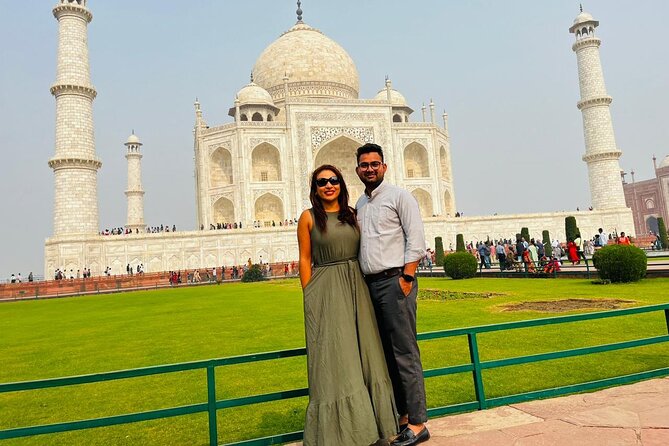
Day 2 is the day most people book for. The itinerary includes a Taj Mahal sunrise visit, which is listed as admission included. Sunrise matters because the light changes fast, and crowds tend to be lighter earlier in the day than later.
Taj Mahal at dawn: why timing changes the whole visit
You go with a plan tied to Shah Jahan’s monument to Mumtaz Mahal. The early timing also matters for comfort. Mornings can be easier on your energy, especially if you walk a lot and you are photographing.
One reality check: the Taj Mahal sunrise tour is subject to weather conditions. If visibility or conditions are poor, you should expect the schedule to shift to keep the visit workable.
Agra Fort: the power behind the romance
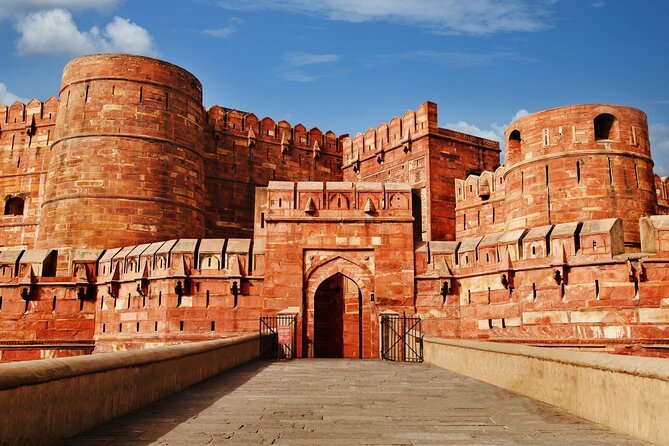
Next is Agra Fort, also with admission included. This was the Mughal emperors’ main residence until the capital moved to Delhi in 1638.
The fort stop is about more than walls. It helps you connect the Taj Mahal’s story to the political machinery of the empire, so the day feels more complete than just seeing one icon.
Itmad-ud-Daula: the smaller tomb that helps you understand Taj design
The tour then includes Itmad-ud-Daula, often called the Baby Taj. The schedule lists it as a shorter stop but worth it because it is widely seen as an influence on the Taj Mahal style.
If you like comparing architecture rather than only sightseeing, this is a smart add-on. You can notice details without the overwhelming scale you get at the main monument.
Fatehpur Sikri: a fast trip into a different kind of city
After Agra sights, the schedule includes Fatehpur Sikri with admission listed as free. It sits about 40 km from Agra, so the day keeps moving, but the payoff is a change of scenery.
This can be a great “zoom out” moment. You see how Mughal urban planning and sandstone grandeur could stretch beyond one capital city.
From Agra to Jaipur: Pink City arrival with time to settle in
After Fatehpur Sikri, the route continues to Jaipur, calling for about 4 hours of travel. You arrive and check into your hotel.
That check-in time matters because Jaipur involves more walking later on Day 3. If you can freshen up and regroup, you will enjoy the Hawa Mahal and City Palace circuit much more.
The tour data also notes two nights of accommodation are included if you book the hotel option. If you choose the option without hotels, it states that you can book your own hotels, with the first night in Agra and the second in Jaipur.
Day 3 in Jaipur: Hawa Mahal views, City Palace inside access, and Jantar Mantar science
Jaipur on Day 3 is designed as a visual sampler first, then a deeper “how it worked” stop.
Panna Meena ka Kund and Jal Mahal: quick stops, nice contrasts
The day begins with Panna Meena ka Kund, described as about 1000 years old. Then you move to Jal Mahal, the palace in the middle of Man Sagar Lake.
These are short visits, around 15 minutes each. I like this structure because it gets you landmark shots without exhausting you early.
Hawa Mahal: the famous facade without a long detour
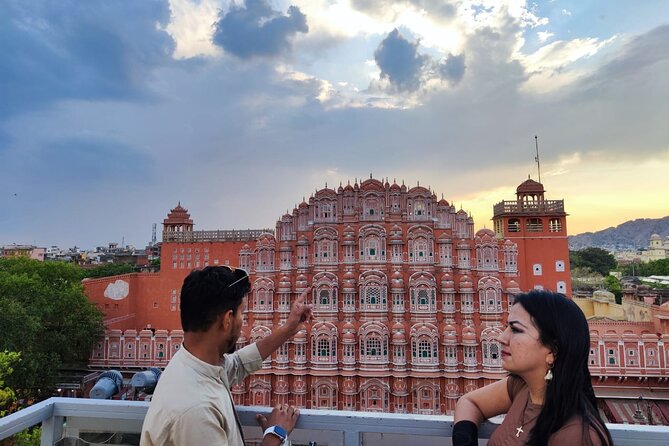
Next is Hawa Mahal, the Palace of Wind, built of red and pink sandstone. The schedule treats it as a quick stop, about 15 minutes, which keeps the overall flow tight.
Even as a fast visit, it is one of those places where the design makes sense the moment you see it. You also get a feel for Jaipur’s honeycomb of viewpoints and lanes.
City Palace: where you slow down and read the place
The itinerary includes the City Palace of Jaipur with admission included and about 1 hour to explore. This is the first stop on Day 3 that feels like a proper interior-and-courtyard experience.
The City Palace is a royal residence and former administrative headquarters, so it helps connect Jaipur’s architecture to how the city was governed. If you like your sightseeing with context, this one is worth your time.
Jantar Mantar: astronomical instruments that still work
Then you visit Jantar Mantar, again with admission included and about 1 hour. It is a set of 19 astronomical instruments built under Rajput king Sawai Jai Singh, completed in 1734.
I like how this stop reframes travel. You stop thinking only in terms of photo moments, and you start seeing Jaipur as a place where science and design were taken seriously.
Return to Delhi: a long final travel day
After Jaipur, you start the return journey back to Delhi. The schedule calls for about 5 hours, and it notes that you will be back around 9 PM on Day 3.
You can also choose drop-off at Jaipur Airport if you prefer. That flexibility is helpful if your onward travel requires a later flight.
Price and what you actually get for the money
The price shown is $11.50 per person, which sounds low for a three-day private route across Delhi, Agra, and Jaipur with a driver and multiple monument tickets included. The catch is that the total cost can depend on which option you book, especially whether hotels are included.
Here’s what the tour data says you get for the included price components:
- Air-conditioned vehicle
- Government-approved tour guide in all listed languages
- Bottled mineral water
- WiFi on board
- All fees and taxes
- Monument tickets
Lunch is not included, and tips for the guide and driver are also not included. On a trip like this, that is fairly standard, but you should still budget for it so you do not feel surprised at the end.
If you are someone who wants to reduce decision fatigue and save time on tickets and route planning, this kind of “tickets handled” structure tends to feel like real value. If you love spontaneity and do not mind research and ticket booking, you could build a similar route on your own, but you will likely lose some time to logistics.
How solo-friendly does it feel?
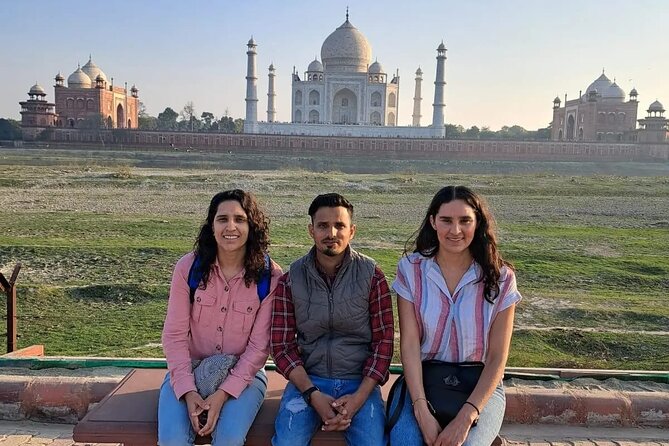
Based on the feedback included with the tour, a standout theme is comfort and safety for solo travelers. One review in Spanish specifically said the person traveled alone and felt comfortable and safe, and they appreciated flexible and punctual pickup.
That matches the practical structure here. When a pickup window is clearly defined, you are not guessing where to meet a driver. Add a private vehicle and a guide, and the day runs with fewer stressful handoffs.
That said, you still need to be comfortable with a fast-paced checklist format. This tour is not slow travel. You will cover a lot of ground, so plan for long sitting time in the vehicle and some solid walking at major stops.
Practical tips: timing, closures, and what to pack
A few details from the itinerary can help you avoid common travel headaches.
- Pickup times: choose any pickup time between 7 AM and 11 AM.
- Taj Mahal sunrise: subject to weather conditions.
- Closures on Mondays: Lotus Temple and Akshardham Temple are closed every Monday.
- Passport required: you need a valid passport on the day of travel.
- Walking shoes: the tour recommends comfortable walking shoes, and I agree. You will do more than you expect once you factor in entrances, courtyards, and market lanes.
The tour data also mentions a special timing rule: if you start on Thursday, the itinerary will shift to Delhi, Jaipur, Agra, then Delhi because the Taj Mahal is closed every Friday. That is the kind of detail that saves you from arriving to a closed gate.
Should you book this private Golden Triangle tour?
Book this tour if you want a simple, time-efficient way to hit the Golden Triangle without becoming a part-time logistics manager. I think it is especially worth it if you care about Taj Mahal at sunrise, you like having monument tickets included, and you want a private driver for the long in-between stretches.
Skip it, or at least reconsider, if you hate fixed schedules. The transfers are approximate and traffic can shift timing. Also, if Monday closures affect your must-see list, you will want to confirm what swaps in.
If your goal is to see the major sights, understand them through guided context, and keep the day-to-day stress low, this private 3-day plan is a smart choice.
FAQ
What time can I be picked up on Day 1?
Pickup is available between 7 AM and 11 AM, and it covers Delhi, Noida, Gurugram, Ghaziabad, and Faridabad.
Is the Taj Mahal visit included, and is it at sunrise?
Yes. The itinerary includes a sunrise visit to the Taj Mahal, and admission is listed as included. The sunrise timing is subject to weather conditions.
Are monument admission tickets included?
Yes. Tickets to the monuments are included, and the schedule notes admission included for major stops like Qutub Minar, Jama Masjid, Humayun’s Tomb, Taj Mahal, Agra Fort, Itmad-ud-Daula, City Palace, and Jantar Mantar.
Does the tour include lunch?
No. Lunch is not included, and the itinerary notes time to have lunch at a local restaurant.
Is this tour private or shared?
This is a private tour/activity. Only your group will participate.
Are hotels included in the price?
The tour includes two nights of accommodation if you book an option that includes hotels. If you book the option without hotels, you can book your own, with the first night in Agra and the second night in Jaipur.
What happens on Mondays?
Lotus Temple and Akshardham Temple are listed as closed every Monday.
Can I choose where I am dropped off at the end?
You can return to Delhi, or you can choose drop-off at Jaipur Airport.
What documents do I need?
A valid passport valid on the day of travel is required.
Recently added around New Delhi
- Taj Mahal Tour with Optional Wildlife Rescue Center Visit★ 4.9 · 12 reviews
- skip the line taj mahal tour with private tour guide★ 5.0 · 26 reviews
- From Delhi: Taj Mahal & Agra Private Day Trip with Transfers★ 4.9 · 38 reviews
- Delhi: All-Inclusive Day trip Taj Mahal with Elephant SOS★ 4.8 · 25 reviews
- Private Full-Day Jaipur City Tour with Hotel Pick-Up & Drop★ 5.0 · 7 reviews
- Magical Mathura Vrindavan Tour: Krishna’s Homeland★ 4.4 · 18 reviews
- From Delhi: All-Inclusive Taj Mahal Day Tour with transfers★ 5.0 · 38 reviews
- Hydrabad: Private 5-Hours Sightseeing Tour with Hotel Pickup★ 4.9 · 10 reviews
Golden Triangle Tours, compared.

3-Days Private Golden Triangle Tour: Delhi, Agra & Jaipur by Car
Read our review →3-Days Private Golden Triangle Tour: Delhi, Agra & Jaipur by Car
Read our review →
3-Day Delhi, Agra and Jaipur Private Tour – India Golden Triangle
Read our review →
Four-Day Private Luxury Golden Triangle Tour to Agra and Jaipur From New Delhi
Read our review →
5 Nights 6 Days Private Golden Triangle Tour – Delhi Agra Jaipur
Read our review →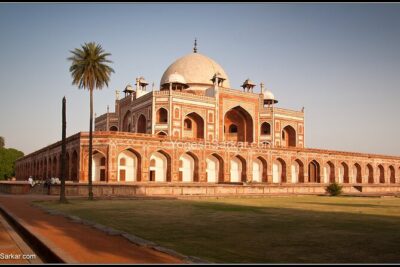

Private Car and Drive for Golden Triangle (4N/5D)
Read our review →
Private Golden Triangle Tour Delhi Agra Jaipur ( Top Rated )
Read our review →Browse the lists this tour appears in