
Reviewed · GOLDEN TRIANGLE TOURS
10 Day Private Luxury Golden Triangle with Khajuraho and Varanasi
Five cities, one unhurried rhythm. This private luxury Golden Triangle tour (Delhi, Agra, Jaipur, Khajuraho, and Varanasi) is interesting because it keeps the pace gentle while still hitting major UNESCO-listed stops like Qutub Minar and the Taj Mahal. What I love is the way you move with a dedicated private car plus local guides in each city, so you get context without having to plan every turn. Another strong point is the practical extras, like bottled water during journeys and a battery bus ride to the Taj Mahal area. One possible drawback to consider is that monument entrance tickets, plus meals, are not included, so your daily budget will still have some add-ons.
If you like structure but not chaos, this route fits. You get a smart mix of big icons (Taj Mahal) and big meaning (Kashi Vishwanath and Ganga Aarti in Varanasi), with hotel breakfast included each morning when you book the hotel option.
In This Review
- Key Highlights Worth Getting Excited About
- The Big Picture: Golden Triangle Plus Two Cultural Powerhouses
- Delhi Day-by-Day: Monuments, Markets, and Quiet Awe
- Jaipur’s Best Hits: Palaces, Temples, and Photo-Worthy Geometry
- Agra: Taj Mahal Sunrise Plus a Strong Mughal Trio
- Khajuraho: Temple Details That Reward Time
- Varanasi: Temples, Sarnath, and the Ganges Aarti From Your Seat
- Price and Logistics: Where $623 Per Person Makes Sense
- The Private Team Factor: Drivers and Guides Who Keep It Together
- What You’ll Want to Pay For On Top
- Practical Tips for Enjoying This Route Without Rushing
- Should You Book This 10-Day Private Tour?
- FAQ
- Are monument entrance tickets included?
- Is breakfast included each day?
- Do I get pickup and drop-off in India?
- Is this a private tour or shared group?
- What transportation will I use?
- Is the Taj Mahal battery bus included?
Key Highlights Worth Getting Excited About
- Private local guides in every city to explain what you’re seeing and save you from guesswork.
- Taj Mahal sunrise plan plus a guided inside visit timed to help you appreciate the building better.
- Battery bus ride to and from the Taj Mahal parking lot up to the monument area.
- Varanasi Ganga Aarti from your seat, so you can focus on the ritual instead of searching for a view.
- Attentive drivers are repeatedly praised, including names like Surendra, Ajay, Man Singh, Deepak, Himmett, and Maan.
- A comfortable private vehicle setup (sedan, wagon, or minivan) sized to your group size.
The Big Picture: Golden Triangle Plus Two Cultural Powerhouses
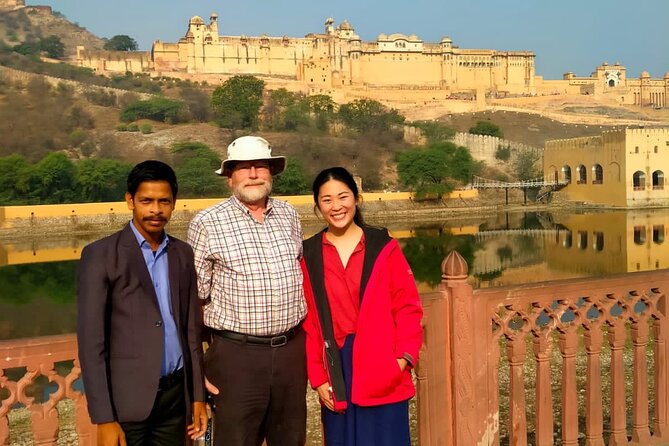
The Golden Triangle is already a classic, but adding Khajuraho and Varanasi changes the whole feel of the trip. You go from Mughal and Rajput landmarks in Delhi, Jaipur, and Agra, into Central India’s temple heritage at Khajuraho, then end with the spiritual rhythm of Varanasi on the Ganges.
What I like most about this tour length is that you’re not running from one place to another every single hour. You still cover a lot, but there are built-in moments to check in, regroup, and do parts of the day at a human pace. That matters on this route because North India sites are powerful, but they also come with real crowds, sun, and sensory overload, especially around Old Delhi and river ghats.
This is also a good match if you’re a first-time visitor who wants the highlights without having to stitch together buses, trains, guides, and tickets on your own. A private local guide in each city helps you connect the dots. You’ll understand why Qutub Minar was built, why Jama Masjid stands where it does, and what makes Sarnath and Varanasi special.
Golden Triangle tours readers book most in New Delhi:
- 3-Days Private Golden Triangle Tour: Delhi, Agra & Jaipur by Car
★ 5.0 · 1,107 reviews - 3-Days Private Golden Triangle Tour: Delhi, Agra & Jaipur by Car
★ 5.0 · 1,098 reviews - 3-Day Delhi, Agra and Jaipur Private Tour – India Golden Triangle
★ 5.0 · 812 reviews
Delhi Day-by-Day: Monuments, Markets, and Quiet Awe
Delhi starts with a temple complex that’s less about architecture trivia and more about lived faith. Gurudwara Bangla Sahib is where the day begins, and it’s free to enter. Even if you’re not fluent in Sikh history, the setting does the job: a calm tank area and a welcoming atmosphere.
Then you shift into landmark sightseeing. Qutub Minar is a UNESCO World Heritage site, 73 meters tall, and tied to the Delhi Sultanate era (constructed by Qutub-ud-din Aibak in 1193). It’s the kind of stop where you’ll want your guide’s explanation, because the tower isn’t just tall, it’s historically layered.
Next comes the modern spiritual icon: Lotus Temple (built in 1986). It’s open to everyone regardless of religion, and that matters if you’re visiting Delhi with a mixed group or you prefer architecture with a universal message.
From there, you move through a classic mix of imperial and colonial era context and everyday city life:
- India Gate as a war memorial and a popular picnic spot.
- Parliament House, designed in a circular form based on the Ashoka Chakra.
- Jama Masjid, built by Shah Jahan between 1650 and 1656, one of Delhi’s largest mosques.
Old Delhi also gets real time in the schedule with Chandni Chowk, a market area full of spices, dried fruit, silver jewelry, and vivid saris. This is the part of Delhi that can feel like sensory overload if you rush it. Slow down, use the guide to navigate, and treat it like a neighborhood you’re learning to read, not a checklist.
You also get a quieter architectural break with Humayun’s Tomb (commissioned in 1558) and Agrasen Ki Baoli, a long stepwell (about 60 meters) protected as a monument. Stepwells are genuinely interesting because they show you how water, society, and design worked together long before modern pipes.
A practical drawback for Delhi is the variety of sites plus time in traffic. The tour handles it with a private driver and scheduled stop order, but it’s still a city. Keep water handy and plan for a full day of walking and transitions.
Jaipur’s Best Hits: Palaces, Temples, and Photo-Worthy Geometry
Jaipur is where the trip leans into Rajasthan’s visual language: pink and red stone, fort silhouettes, and carved details. You arrive, check in, and then ease into the city with two major spiritual stops.
You start with Galtaji Temple, also called the Monkey Temple. It’s known for three sacred pools of water, and it can feel lively, since monkeys are part of the experience. Your guide will help you navigate the rules and keep it safe.
Birla Mandir comes next. It’s dedicated to Lord Vishnu and known for intricate latticework in white marble. This stop is a good contrast to the older forts, because it feels cleaner and more modern in structure while still giving you a sense of devotion.
The next day is the real Jaipur core, starting with Amber Palace. This is a roughly two-hour guided tour through palaces, squares, and monuments. Amber matters because it’s not just a pretty building, it’s a full representation of how royal power was displayed and lived.
You then see Jal Mahal, the water palace set in Man Sagar Lake. It’s often photographed from viewpoints, but the value here is that your guide explains its context within Rajput design and how the palace relates to the water setting.
The tour also includes Jantar Mantar, a UNESCO site built in 1734 by Sawai Jai Singh II. It’s an impressive collection of nineteen astronomical instruments. This is the kind of place where a guide helps you avoid treating it like random metal shapes. You’ll come away with a sense that it was meant for observation and measurement, not decoration.
Then it turns into a broader city sweep:
- City Palace, originally the administrative and ceremonial seat, built in 1721.
- Hawa Mahal, the Palace of Breeze, a five-storey pyramidal facade in red and pink sandstone.
- Albert Hall Museum, the oldest museum of Rajasthan.
One thing to consider in Jaipur is the stop density. You’re seeing a lot of iconic buildings in a short window. If you like photography, you’ll be happy. If you hate crowds and lines at every gate, you’ll still have a good time, but you’ll want to go at your own speed and let your guide pace you.
Agra: Taj Mahal Sunrise Plus a Strong Mughal Trio
Agra is built around one goal: the Taj Mahal. The tour includes an early start to watch the sun rise over the Taj Mahal, then a guided inside visit for about two hours. This is valuable because Taj Mahal photography alone can leave you missing the story. With a guide, you’ll understand it as a Mughal tomb commissioned by Shahjahan (the tour description ties it to 1630 and enshrining his story through the mausoleum idea).
The logistics also help. The tour includes a battery bus ride to and from the Taj Mahal parking area up to the monument area. That small piece of comfort saves energy on a site where walking distances can feel long.
After the Taj, you move into a deeper Mughal setting with:
- Agra Fort (UNESCO), a historical fort and main residence of the Mughal emperor.
- Itmad-ud-Daula, also called Baby Taj, a Mughal mausoleum with gardens and outbuildings.
Agra has a “big building day” feel, but it’s a good kind of intense. Your guide’s timing helps you avoid getting lost in the crowd. The main drawback is simple: it’s hot and it’s a very popular site. Wear comfortable shoes, keep water in mind, and be ready to spend time standing and walking.
A few more New Delhi days to compare
- Old & New Delhi City Tour – Half or Full Day Options Available
★ 5.0 · 4,811 reviews - Half Day Private Delhi City Tour
★ 5.0 · 4,474 reviews - Same Day Taj Mahal, Agra Fort & Baby Taj Tour from Delhi by Car
★ 5.0 · 4,304 reviews - Taj Mahal Day Tour from Delhi by Superfast Train – TOP RATED TOUR
★ 5.0 · 4,166 reviews
Khajuraho: Temple Details That Reward Time
Khajuraho is the curveball of the trip. After the long travel day from Agra, you check in and then get temple time. The schedule gives you meaningful focus across three main stops.
You start with Lakshmana Temple, built by the Chandela ruler Yashovarman in the 10th century. The main idol is of Lord Vaikuntha, described as having three heads and four arms. This is one of those stops where your guide can really enhance the visit, because temple symbolism lives in the details.
Next is Kandariya Mahadev Temple, designed and built by Chandela King Vidyadhara in the early 11th century. The tour notes how the region faced invasions, which gives historical context to why these temples matter as cultural artifacts.
Finally, you get time for Khajuraho Temples more generally. The tour keeps it focused so you’re not just passing through. You should come away feeling that Khajuraho is not only about big names, it’s about the craftsmanship and the story carved into stone.
A practical consideration here is pacing. Temple touring works best if you don’t try to “collect everything” in one glance. Give yourself permission to slow down at the carvings, inscriptions, and layout points your guide points out.
Varanasi: Temples, Sarnath, and the Ganges Aarti From Your Seat
Varanasi is where the trip turns spiritual in a way that feels real, not staged. After breakfast, you travel by road from Khajuraho, about 400 km and around seven hours. When you arrive, you check in and the next day starts with major religious stops.
You visit Kashi Vishwanath Temple, a Shiva landmark temple known for its 18th-century gold-plated spire and a sacred well. Even if you’re not deep into Hindu theology, the guide’s framing helps you understand why it’s a pilgrimage center.
Then it’s Sarnath, visited later around noon. Sarnath is a significant Buddhist pilgrimage site because it’s where Lord Buddha first preached the Dharma after attaining enlightenment. You explore ancient ruins of monasteries and the area’s historical setting, which pairs nicely with Varanasi’s overall religious importance.
The heart of Varanasi for many people is the river. You get a walk along the Ganges River and time that helps you connect the city to the water that shapes daily life. Then you end with Ganga Aarti, a grand evening ceremony on the ghats. The important practical detail is that you get the best view from your seat, which makes it much easier to enjoy.
Varanasi can be intense. Crowds and rituals happen close together, and it’s easy to get overwhelmed if you rush. The tour structure helps because it places you inside a planned flow: temples, history at Sarnath, then river time.
Price and Logistics: Where $623 Per Person Makes Sense
At $623.07 per person for about 10 days, the value depends on what you care about: comfort, private guidance, and time saved.
Here’s what makes it feel like a real deal rather than just “transport plus tickets”:
- 09 nights accommodation (when you book the hotel-included option).
- Private air-conditioned vehicle with driver for the route.
- Hotel or airport pickup and drop-off.
- All sightseeing with private local guides.
- Daily hotel breakfast (9 breakfasts are listed).
- Bottled mineral water during journeys.
- Battery bus ride to and from Taj Mahal parking lot area.
What’s not included is equally important. Monument entrance tickets are not included. Any meal is not included. And driver and guide tips are not included, along with laundry and personal expenses.
So the cost is not just a “cheap tour price.” It’s a price that pays for planning, guide time, and smooth private movement. That’s exactly what makes sense for a first visit when you don’t want to micromanage everything.
The Private Team Factor: Drivers and Guides Who Keep It Together
One of the strongest themes in past feedback is organization, plus drivers who feel attentive. Names that come up include Surendra, Ajay, Man Singh, Deepak, Himmett, and Maan. That matters because on this route, your driver is handling not only transport, but also the human reality of getting you through busy streets, timing your arrival, and making sure you feel safe.
Another recurring name is Gopal, credited for suggesting trip structure and helping with options like a leopard safari in Jaipur (Jhalana is mentioned). The key takeaway for you is that the company is not just running a script. If you want add-ons, you can ask, and they may suggest a way to fit it into your route.
The tour is also truly private, described as only your group participating. That usually translates into fewer waiting games and more flexibility in pacing with your guide.
For comfort, the vehicle sizing is specific: a 4-seater sedan for groups of 1 or 2, a 6-seater wagon for groups of 3 or 4, and a 10-seater minivan for groups of 5 to 10. That matters for long drives, since cramped seating turns road time into misery.
Rooms are described as generally twin-sharing, with triple-sharing by default for 3 people unless you prefer 2 rooms and pay an extra charge.
What You’ll Want to Pay For On Top
To keep the trip smooth, I suggest planning for these add-ons from the start:
- Monument entrance tickets (not included).
- Meals (not included).
- Tips for driver and guide (not included).
- Laundry and personal expenses.
Also note: a few stops are explicitly marked free in the schedule you’ll follow, but others list tickets as not included. In practice, you should assume that entrance fees will be a noticeable extra cost over 10 days.
Practical Tips for Enjoying This Route Without Rushing
A few small habits make a big difference on a trip like this:
- Start early when the schedule says sunrise. Taj Mahal mornings are time sensitive.
- Bring comfortable walking shoes. Delhi markets, fort areas, and river ghats add up.
- Keep a light layer. Mornings and evenings can feel different from midday, especially on a city-to-city itinerary.
- Use your guide’s “why” questions. Ask what changed, what the symbolism is, and what to notice first. Guides are doing real work here.
- Plan your photos, don’t just chase them. Some places give you quick views, others reward slow observation.
If you’re the type who likes to read a place like a story, this itinerary rewards you.
Should You Book This 10-Day Private Tour?
I think you should book this tour if you want a structured Golden Triangle experience plus two places that add depth in totally different ways. It’s a strong fit for first-timers, for couples or small families who prefer private cars and local guides, and for anyone who values having someone handle the moving parts.
You might skip it, or at least adjust expectations, if you hate guided schedules, don’t want early mornings, or you’re trying to travel with a strict “everything included” budget, because monument tickets and meals are on you.
Bottom line: if you want major North India highlights with private local guidance and minimal stress, this route makes a lot of sense.
FAQ
Are monument entrance tickets included?
No. Monument entrance tickets are not included, so you should budget for site entry fees during the trip.
Is breakfast included each day?
Yes. Daily hotel breakfast is included (9 breakfasts are listed) when you book the option that includes hotels.
Do I get pickup and drop-off in India?
Yes. The tour includes hotel or airport pickup and drop-off.
Is this a private tour or shared group?
This is a private tour. Only your group participates.
What transportation will I use?
You’ll travel by private, air-conditioned vehicle with a driver. The vehicle type depends on group size: a 4-seater sedan for groups of 1 or 2, a 6-seater wagon for groups of 3 or 4, and a 10-seater minivan for groups of 5 to 10.
Is the Taj Mahal battery bus included?
Yes. The tour includes a battery bus ride to and from the Taj Mahal parking lot up to the Taj Mahal monument area.
Recently added around New Delhi
- Private Same day Jaipur Tour from New Delhi★ 5.0 · 82 reviews
- Private Agra Day Tour★ 5.0 · 14 reviews
- Taj Mahal,Agra fort and Baby Taj tour from Delhi by Express train★ 5.0 · 7 reviews
- From Delhi: Full Day TajMahal & Agra Fort with 5 Star Lunch★ 5.0 · 64 reviews
- Taj Mahal & Agra City Private Tour from Delhi by Car – Fast Entry★ 5.0 · 13 reviews
- All Inclusive: Same day Taj Mahal Tour From Delhi★ 5.0 · 111 reviews
- Same Day Tour of Taj Mahal with Our Real Historical Experience★ 5.0 · 42 reviews
- Taj Mahal Tour From Delhi By Luxury Car All Including★ 5.0 · 13 reviews
Golden Triangle Tours, compared.

3-Days Private Golden Triangle Tour: Delhi, Agra & Jaipur by Car
Read our review →3-Days Private Golden Triangle Tour: Delhi, Agra & Jaipur by Car
Read our review →
3-Day Delhi, Agra and Jaipur Private Tour – India Golden Triangle
Read our review →
Four-Day Private Luxury Golden Triangle Tour to Agra and Jaipur From New Delhi
Read our review →
5 Nights 6 Days Private Golden Triangle Tour – Delhi Agra Jaipur
Read our review →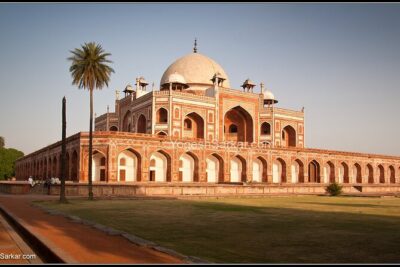

Private Car and Drive for Golden Triangle (4N/5D)
Read our review →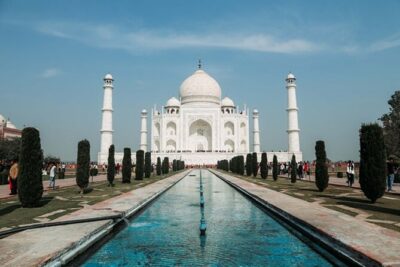
Private Golden Triangle Tour Delhi Agra Jaipur ( Top Rated )
Read our review →Browse the lists this tour appears in